The Complete Tourmaline GuideColor, varieties, Paraiba, and value
Tourmaline is one of the most diverse gemstones found in nature, displaying a wider range of colors than almost any other mineral. Unlike gemstones that are limited to a narrow color spectrum, tourmaline can occur in virtually every hue, from deep greens and vivid blues to intense pinks and even multi-colored crystals within a single stone.
This diversity is the result of its complex chemical composition, which allows different trace elements to influence color during formation.
Tourmaline is one of the most diverse gemstones found in nature, displaying a wider range of colors than almost any other mineral. Unlike gemstones that are limited to a narrow color spectrum, tourmaline can occur in virtually every hue, from deep greens and vivid blues to intense pinks and even multi-colored crystals within a single stone.
This diversity is the result of its complex chemical composition, which allows different trace elements to influence color during formation. Because of this, tourmaline is not defined by a single look or category, but rather by a broad family of gemstones with distinct identities.
Formation and mineral composition
Tourmaline forms primarily in pegmatites and metamorphic rocks, where mineral-rich fluids allow complex crystal growth over extended periods. Its chemical structure is highly variable, incorporating elements such as iron, magnesium, lithium, and copper. This variability is what gives rise to its wide color range.
Tourmaline crystals typically grow in elongated prismatic forms with vertical striations, a characteristic feature that helps distinguish rough tourmaline from other gemstones.
A rough tourmaline crystal, before cutting.
Colors
Every color of tourmaline
No other gemstone comes in more colors than tourmaline. Drag the bar or pick a color to compare.
Verdelite
Light green to deep forest tones. The most widely available tourmaline color, though strong, rich saturation still commands a premium.
Color cause
Iron, sometimes with chromium or vanadium.
Treatment
Often untreated; occasionally heated to lighten overly dark material.
Rarity and value
The most affordable and available tourmaline color.
Good to know
Pleochroism means the same crystal can look noticeably lighter or darker depending on the angle.
Rubellite
Vivid pink to red that holds its color under different lighting - a genuine rubellite doesn't fade to brown or gray under warm light the way some pink stones do.
Color cause
Manganese.
Treatment
Often untreated; some material is irradiated to deepen color, though that color can fade over time.
Rarity and value
Fine, saturated rubellite rivals ruby and pink sapphire in price.
Good to know
Eye-visible inclusions are generally accepted in rubellite as long as the color is strong.
Indicolite
A deep, rich blue, significantly rarer than green or pink tourmaline and valued for strong saturation that doesn't look overly dark.
Color cause
Iron and titanium.
Treatment
Often untreated; sometimes heated.
Rarity and value
Notably rarer than verdelite or rubellite.
Good to know
Held to a stricter clarity standard than pink or red tourmaline.
Chrome
A more saturated, often bluish green than typical verdelite. This variety isn't mentioned in the article, but it's a real, well-documented one worth knowing about.
Color cause
Chromium and vanadium, the same elements behind emerald's color.
Treatment
Typically untreated.
Rarity and value
An affordable alternative to fine emerald or tsavorite garnet.
Good to know
Most chrome tourmaline comes from East Africa, particularly Tanzania and Kenya.
Paraiba
An electric, glowing blue to green unlike any other gemstone's color. Even in low light, fine Paraiba appears to emit light of its own.
Color cause
Trace copper - unique among tourmaline colors.
Treatment
Usually untreated, since the color is inherently vivid.
Rarity and value
The rarest and most valuable tourmaline, rivaling fine sapphire and emerald per carat.
Good to know
Original Brazilian material commands the highest prices; Mozambique and Nigeria material is more available but still scarce.
Watermelon
A natural bi-color stone with a pink center and green outer rind, resembling the fruit it's named for. Cut across the crystal, the effect is unmistakable.
Color cause
Manganese (pink) and iron (green) forming in the same crystal as its chemistry shifts during growth.
Treatment
Always untreated - the zoning is entirely natural.
Rarity and value
Valued more for its uniqueness than its rarity; every stone looks different.
Good to know
Particularly popular in custom jewelry, since each piece is essentially one-of-a-kind.
Colors shown are illustrations. Real stones vary with lighting, tone, and saturation. Every tourmaline color has a hardness of 7 to 7.5.
Properties
Durability and wearability
Tourmaline sits at 7 to 7.5 on the Mohs scale. Tap or hover any number to compare.
Mohs measures scratch resistance, from talc (1) to diamond (10).
Hardness & wearability
Tourmaline has a hardness of 7 to 7.5 on the Mohs scale, making it suitable for most types of jewelry.
While durable enough for regular wear, it is not as hard as sapphire or diamond, meaning it should be worn with some care, especially in rings.
Sudden temperature change can crack tourmaline even though its surface resists scratching well, and some crystals contain liquid-filled inclusions that make them especially heat-sensitive. Warm, soapy water is the safest way to clean it - skip the ultrasonic and steam cleaner.
Treatments: heat and irradiation
Tourmaline reaches the market in a wider range of treatment states than most gemstones, from entirely untreated to carefully enhanced. Select a treatment to explore it.
Illustration: color intensity and treatment glow by type (schematic)
Level of enhancement
The 4Cs
Color is everything
Color is the single most important factor in determining the identity and value of tourmaline. Open each of the four Cs to see how they fit together.
Color is the single most important factor in determining the identity and value of tourmaline. Unlike gemstones such as sapphire, where color grading is standardized, tourmaline is categorized more fluidly based on its hue and composition.
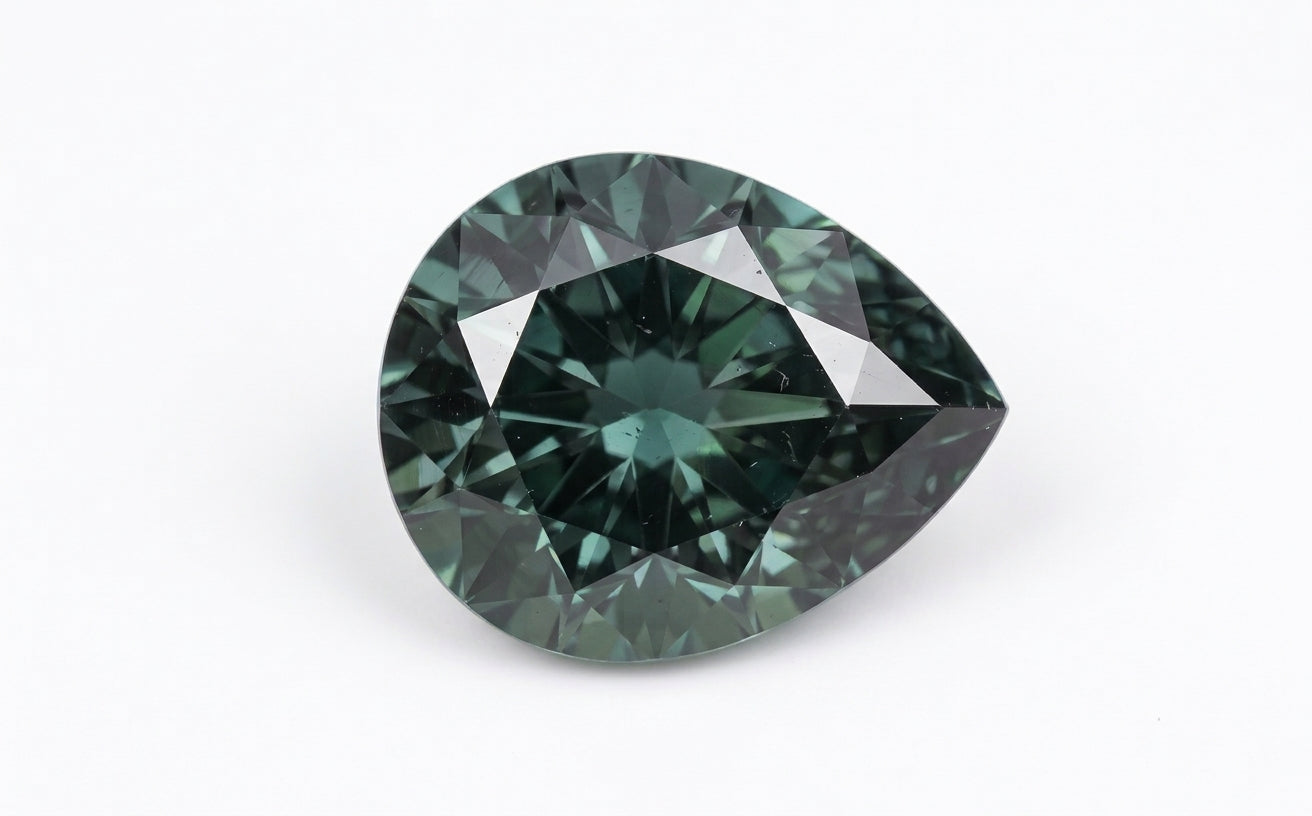
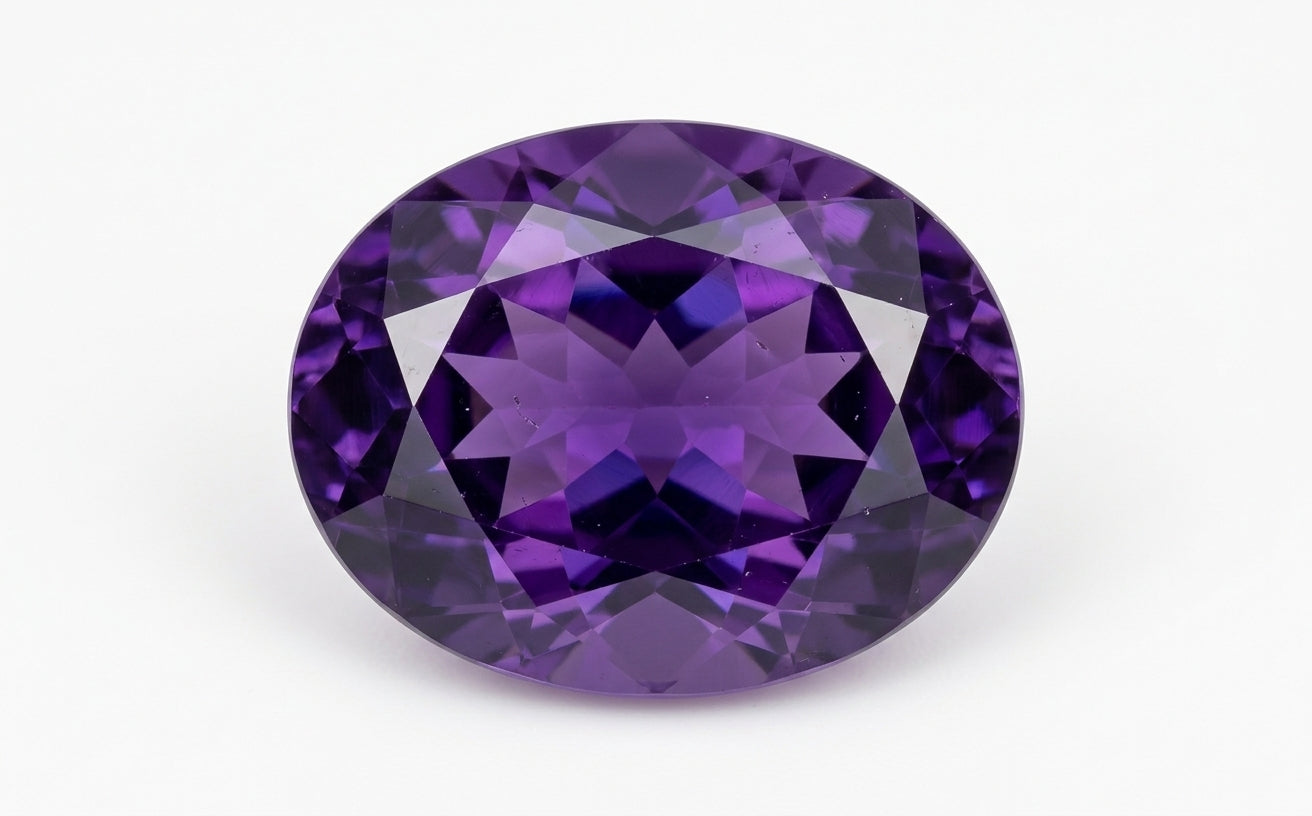
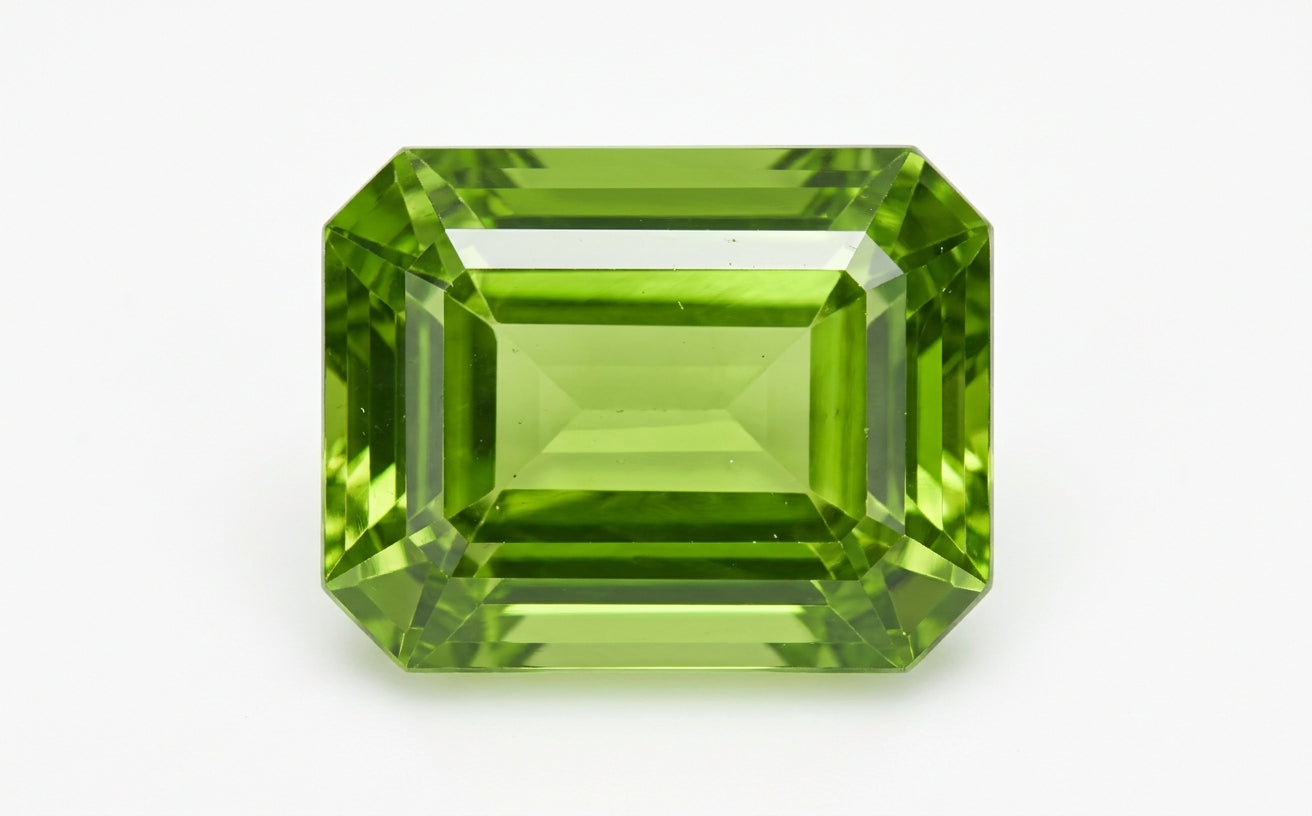
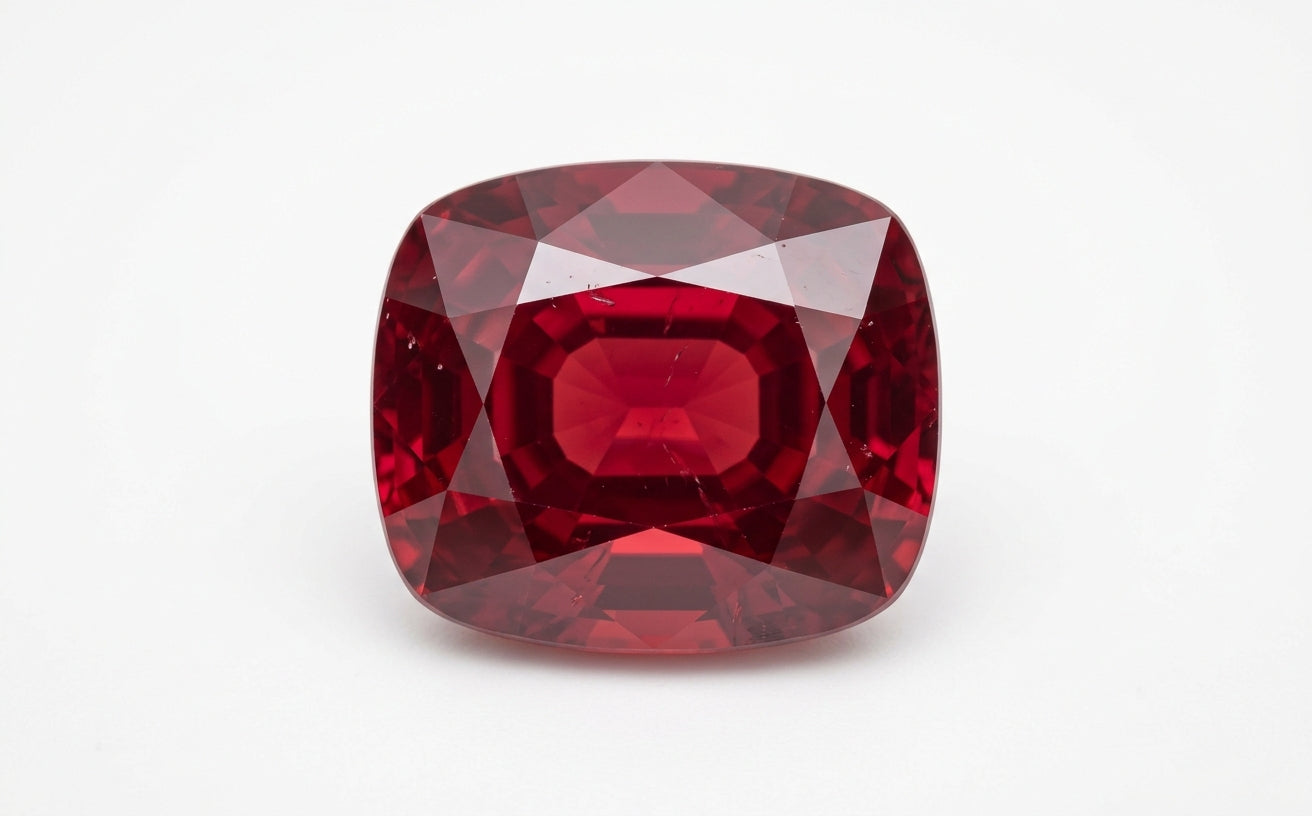
Green tourmaline, often referred to as verdelite, is one of the most common varieties and ranges from light green to deep forest tones. Pink tourmaline, colored by manganese, can vary from soft pastel pink to highly saturated vivid tones. Blue tourmaline, known as indicolite, is significantly rarer and is valued for its deep, rich color. Stones that display strong saturation without appearing overly dark are especially desirable.
Because of its chemical flexibility, tourmaline can also display bi-color and tri-color zoning, where multiple colors appear within a single crystal - most famously in watermelon tourmaline, with its pink center and green rind.
At the rarest end of the spectrum sits Paraiba tourmaline, prized for a neon blue-to-green glow caused by trace copper. See every named variety, including Paraiba and watermelon, in the Colors section above.
Tourmaline's color range, from deep greens and vivid blues to intense pinks.
Tourmaline typically contains inclusions, particularly in more saturated colors. However, eye-clean stones are still highly valued, especially in premium varieties.
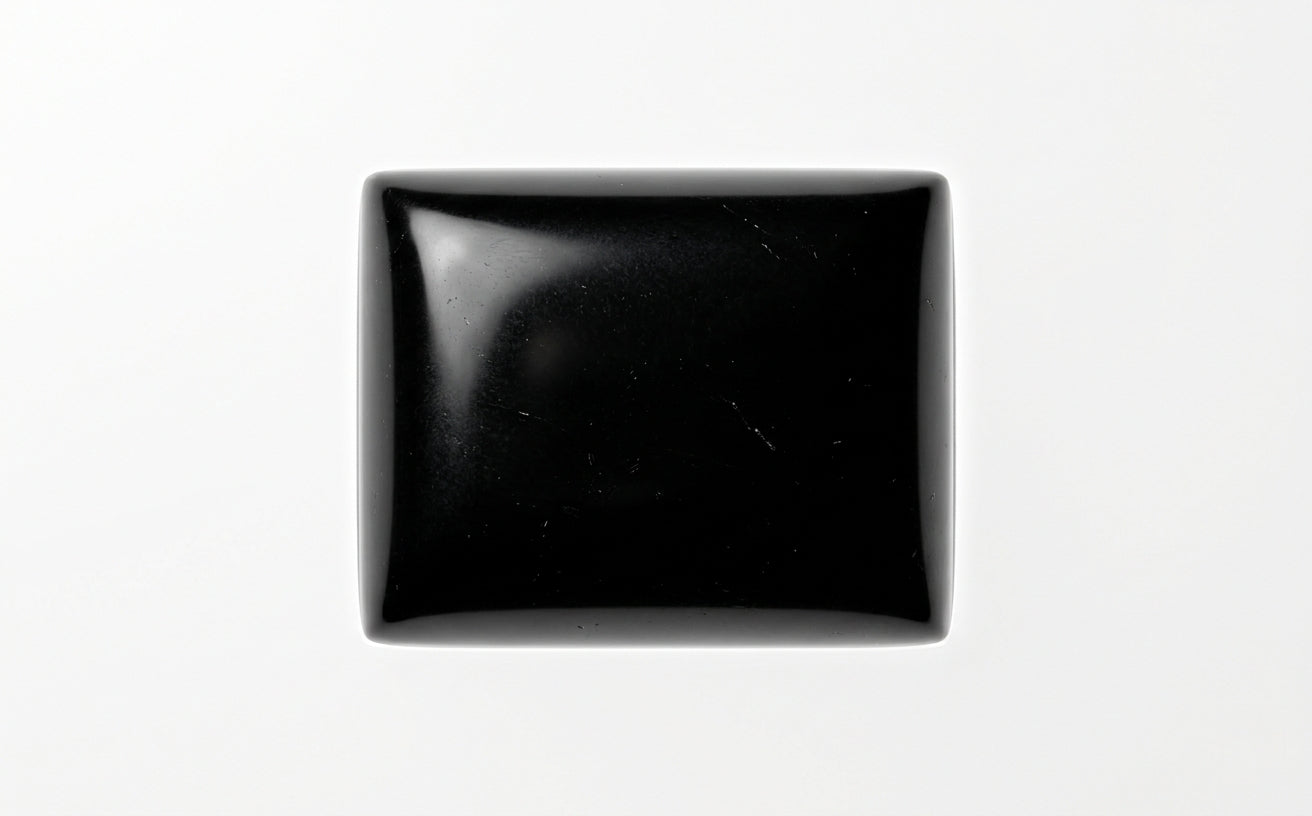
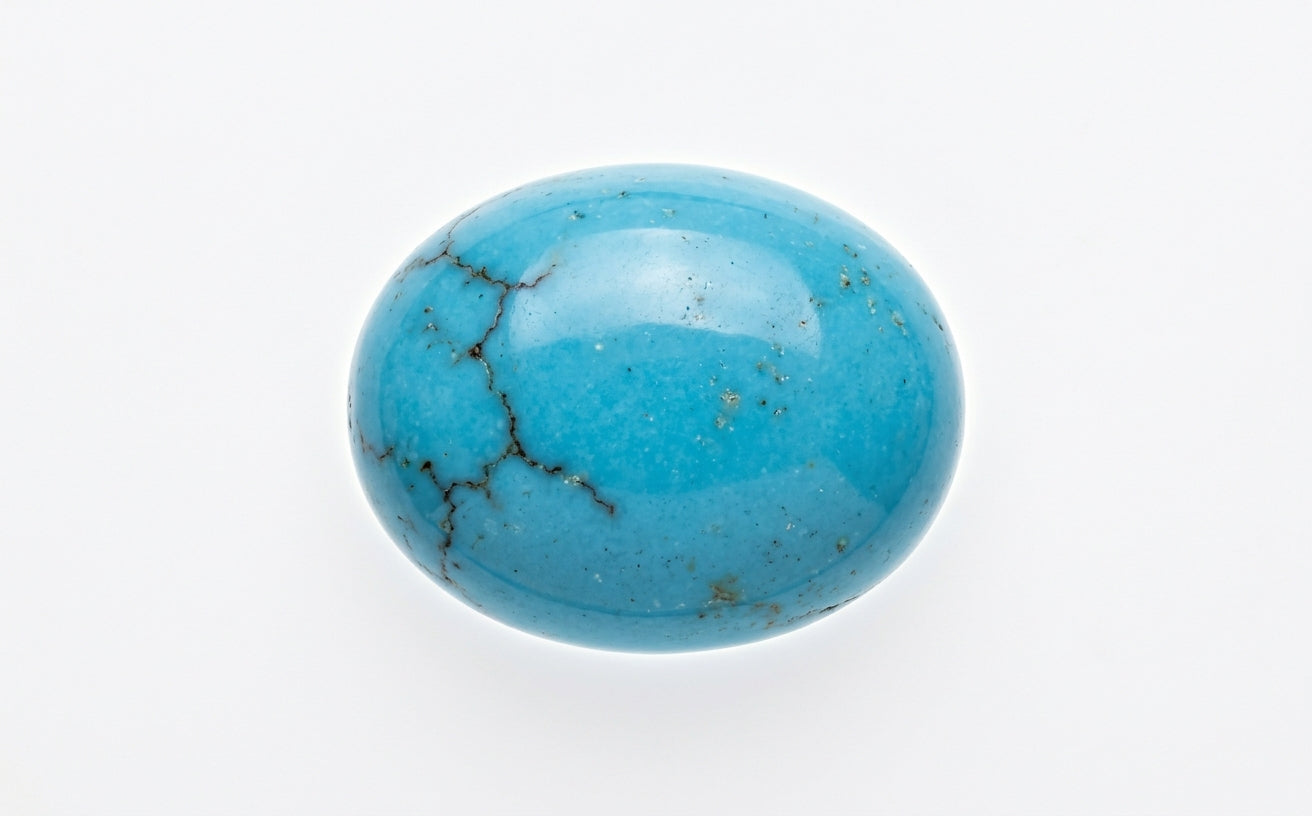
Tolerance for inclusions varies by color: red and pink stones are often accepted with eye-visible inclusions as long as the color is strong, while green and blue stones are held to a stricter standard. Occasionally, dense parallel growth tubes catch the light to produce a cat's-eye effect when the stone is cut as a cabochon - an uncommon look collected in its own right.
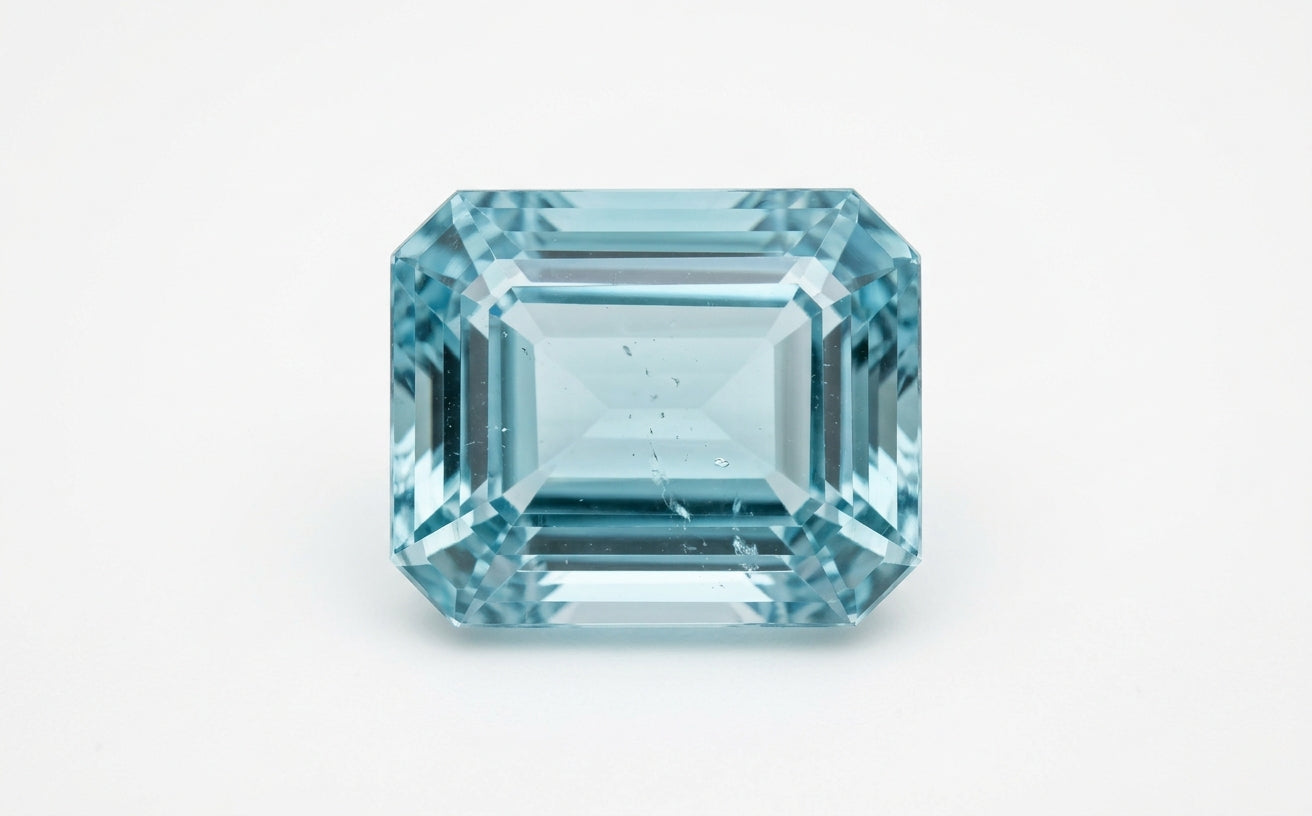
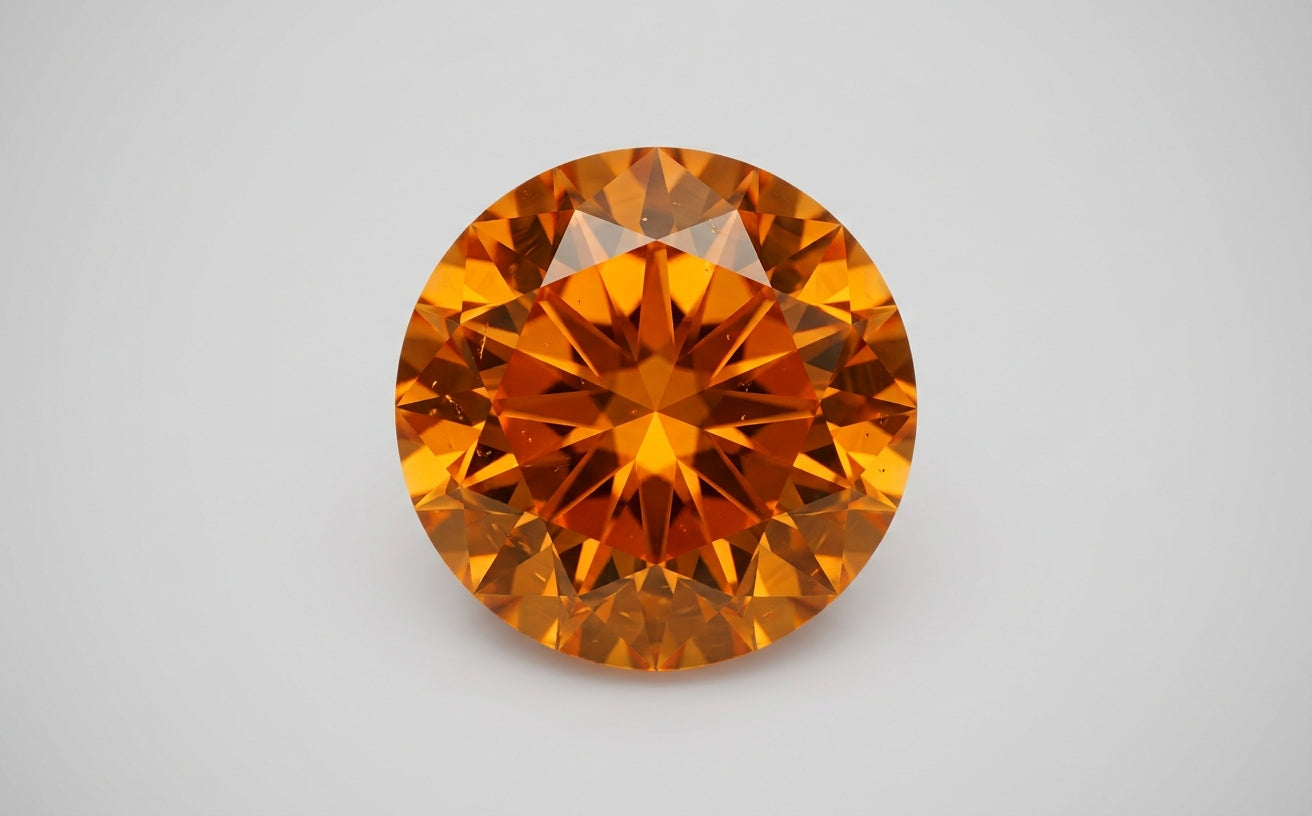
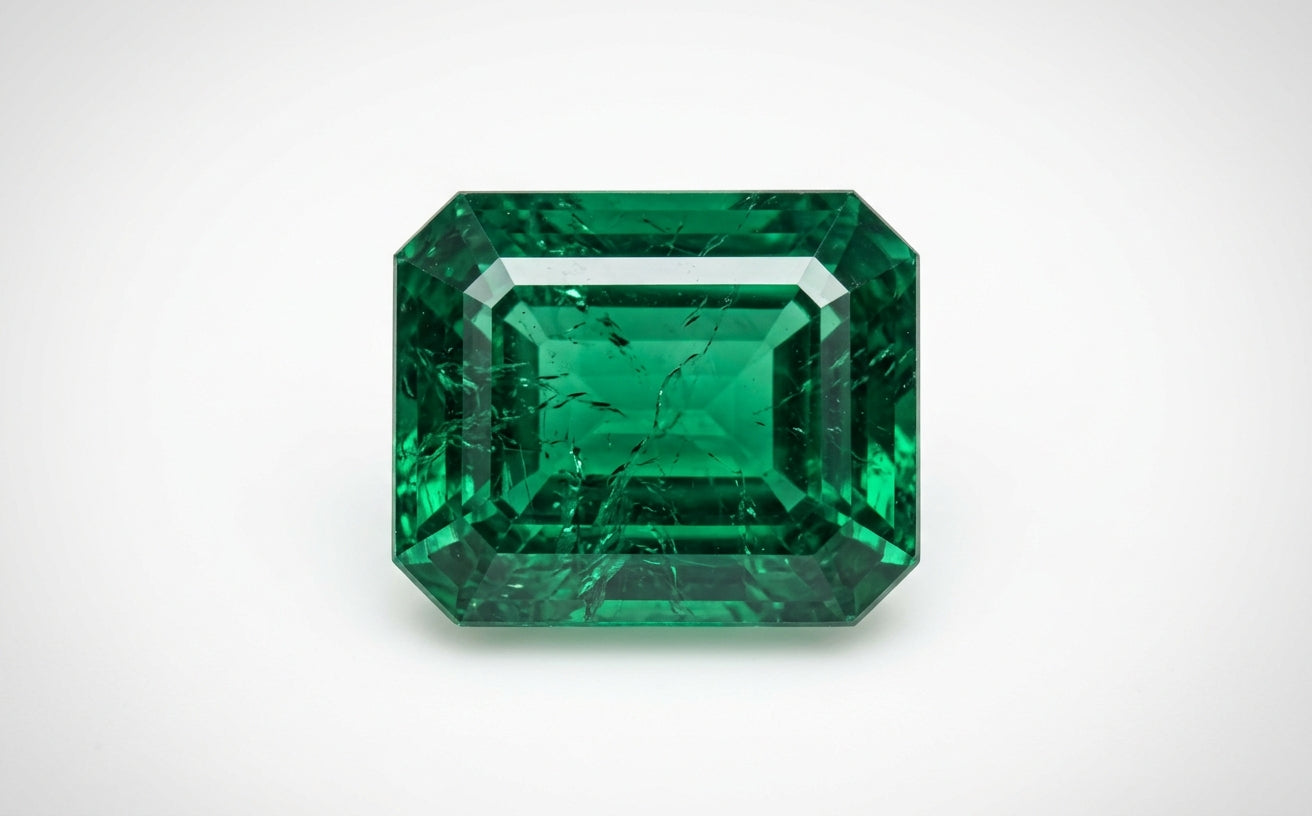
Because rough crystals are often elongated, tourmaline is frequently cut into rectangular or emerald shapes that maximize yield while preserving color.
Cut quality plays a critical role in how the stone handles light, particularly in darker stones where proper proportions are necessary to avoid a dull appearance. Tourmaline is also strongly pleochroic, showing different depths of color depending on the angle it's viewed from, so cutters have to orient each stone carefully to show its best face-up color.
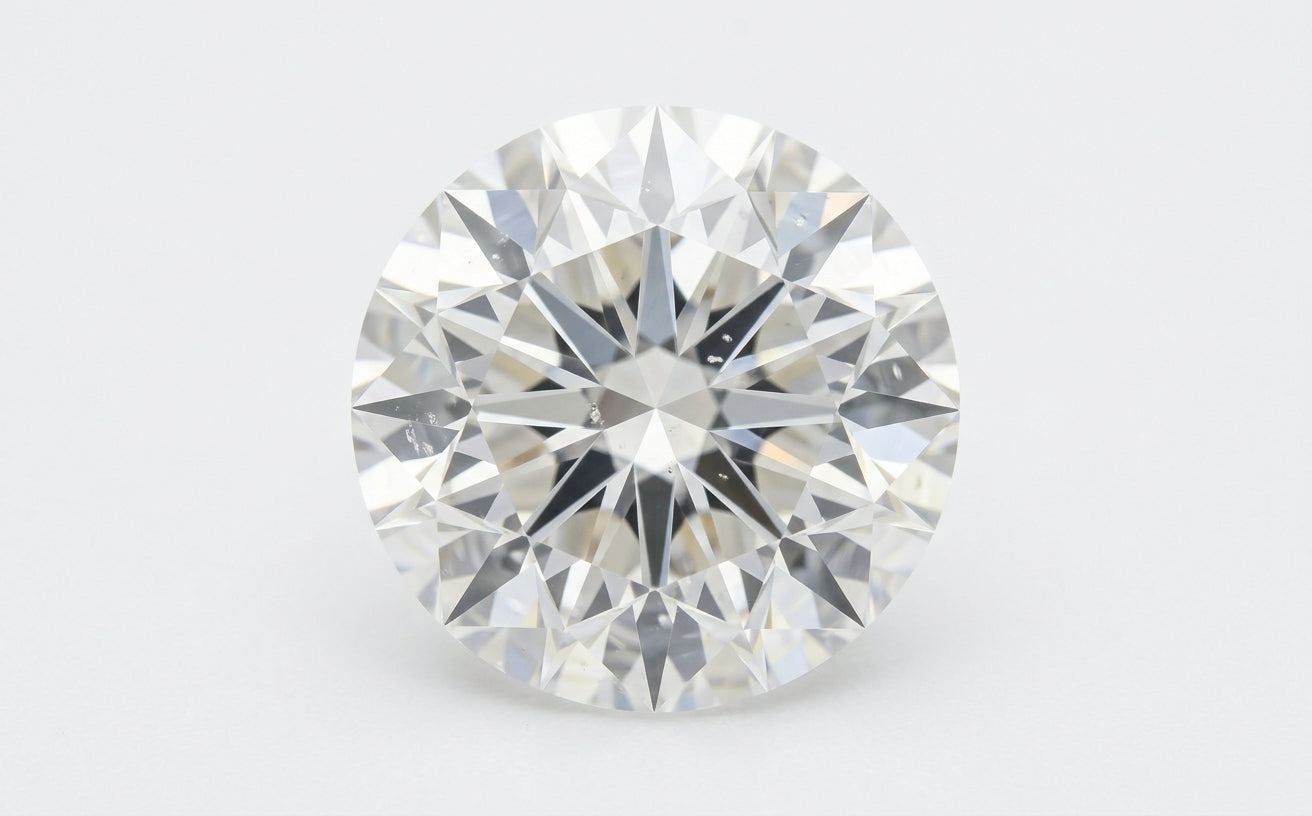
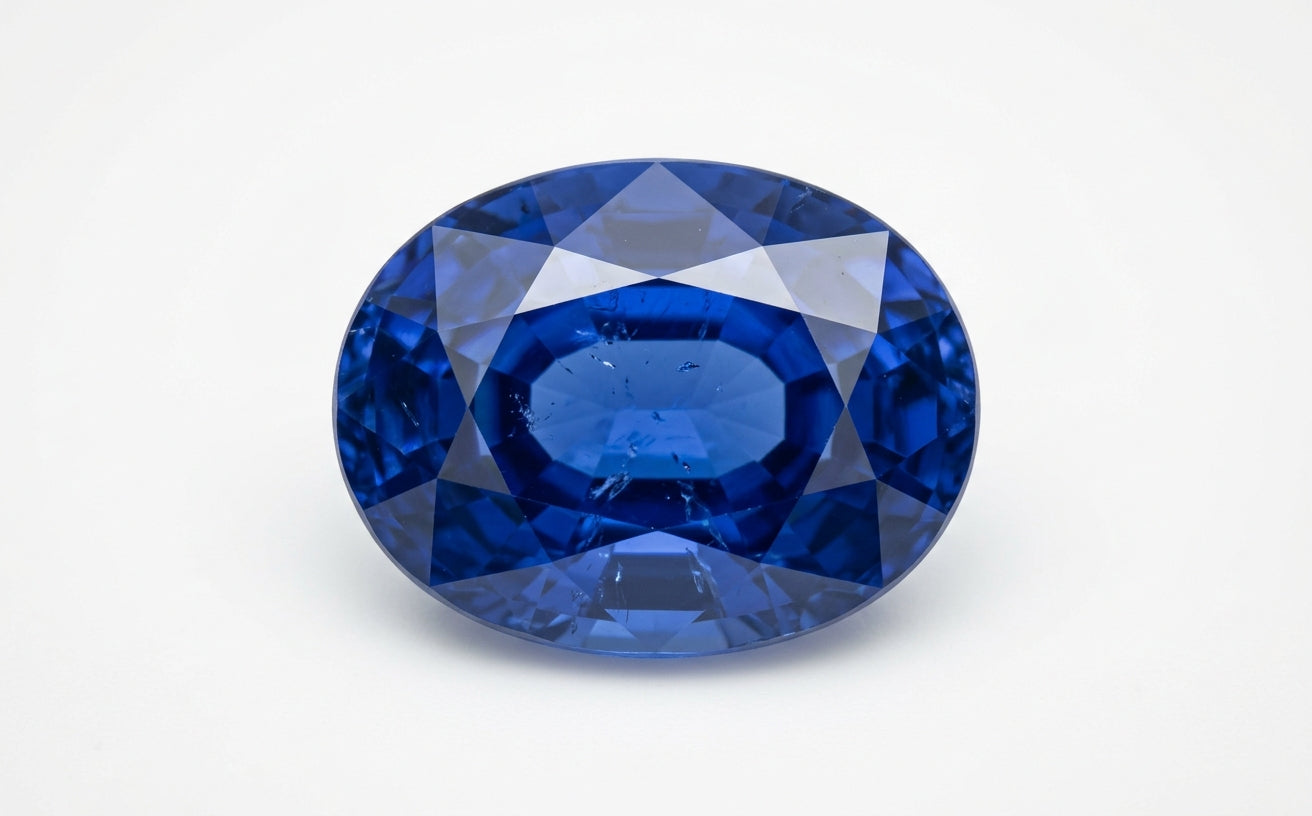
Emerald cut
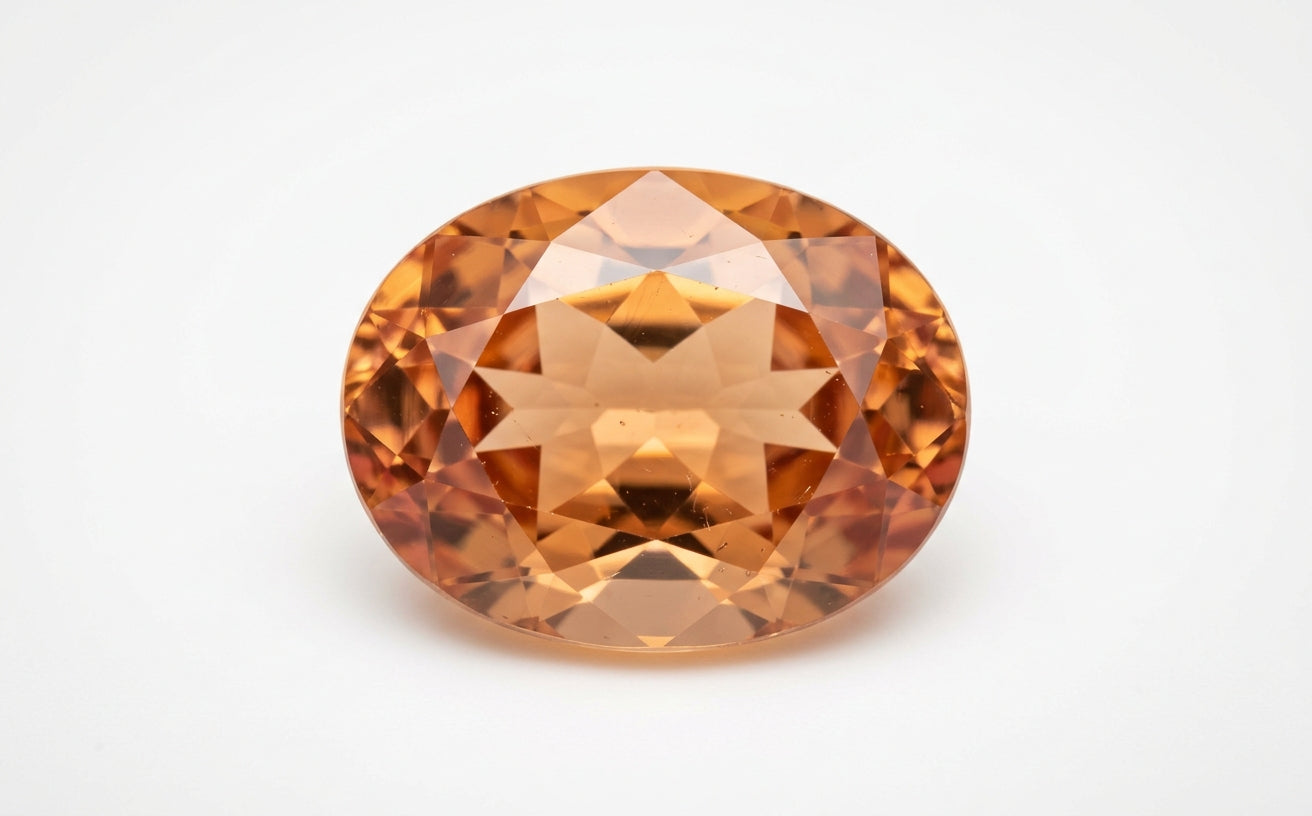
Oval
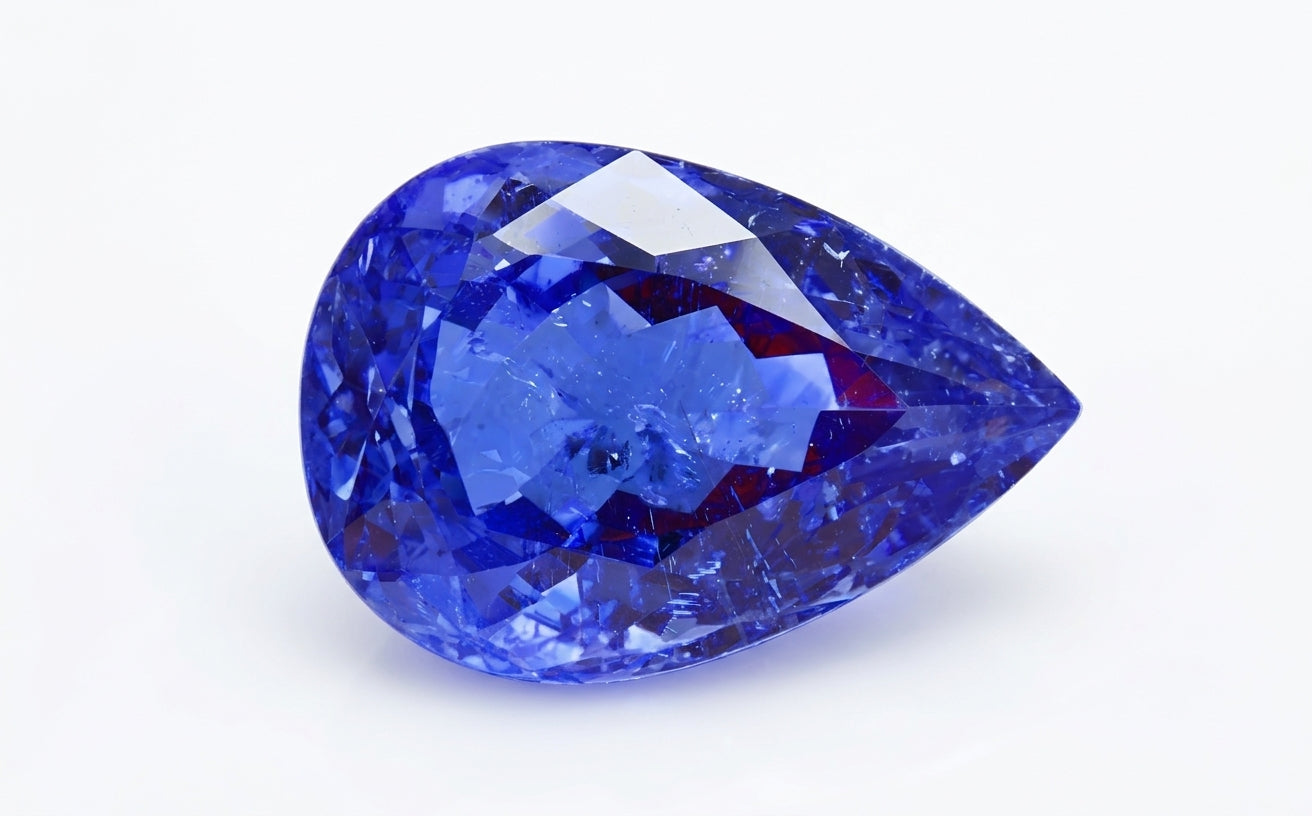
Pear
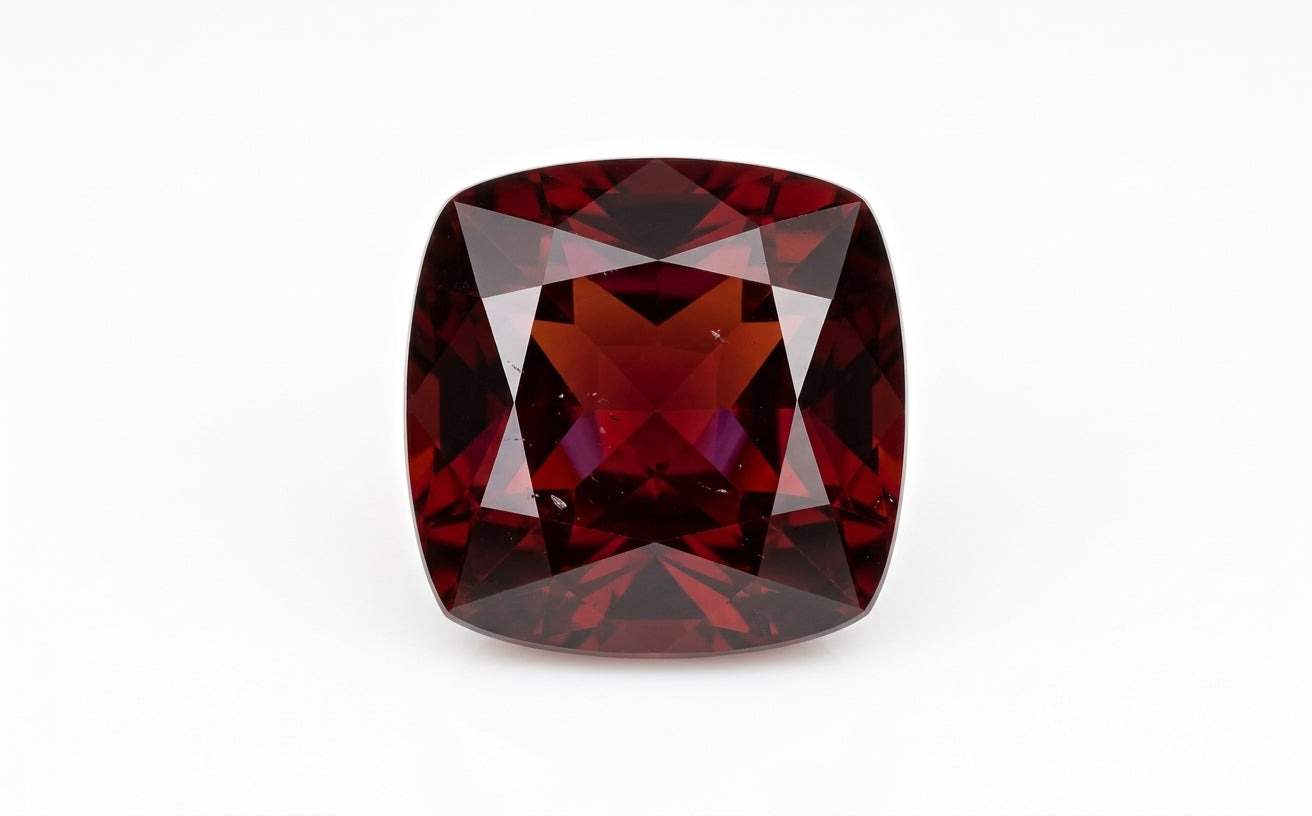
Cushion
Because rough tourmaline crystals are often elongated, cutters can sometimes yield larger finished stones than the rough's width alone would suggest, though this varies a great deal by crystal.
Price per carat generally climbs once a stone passes the five-carat mark, and the jump is steepest in the rarest colors. A five-carat Paraiba and a five-carat green tourmaline of comparable clarity can be worlds apart in price.
Because fine, large crystals in rare colors like Paraiba and vivid pink or blue are especially hard to find, size has an outsized effect on value once a stone's color is already strong.
Origins & Value
Brazil, Africa, and beyond
Tourmaline is mined in more places than almost any other colored gemstone, and different regions are known for different colors. Origin can influence perception and value, though the individual characteristics of the stone remain the most important factors.
Origin
Brazil
Role
The dominant global source for nearly 500 years
Known for
Minas Gerais, and the original Paraiba deposits
Color
Every major color, including the finest Paraiba
Reputation
The benchmark for Paraiba tourmaline
Brazil has been the world's dominant tourmaline source since the late 1800s, led by the pegmatite deposits of Minas Gerais. The original, and still most valuable, Paraiba tourmaline comes from the state of Paraiba and neighboring Rio Grande do Norte, discovered in the late 1980s.
Origin
Mozambique & Nigeria
Discovered
Mozambique in 2005, Nigeria in 2001
Known for
Copper-bearing, Paraiba-type material
Value
Still rare, though more available than Brazilian Paraiba
Additional copper-bearing deposits were found in Nigeria in 2001 and Mozambique in 2005, expanding the supply of Paraiba-type tourmaline beyond Brazil. Even so, fine material from these sources remains limited and commands high prices.
Origin
Afghanistan
Known for
Fine rubellite and multi-colored material
Character
High-altitude pegmatite deposits
Afghanistan's pegmatite deposits produce fine rubellite and other tourmaline colors, mined under some of the most difficult conditions in the trade.
Origin
United States
States
Maine, California
Known for
Pink and green tourmaline (Maine); historic red material (California)
Character
Both states remain historic, small-scale sources
Maine has produced pink and green tourmaline since an 1821 discovery near Paris, Maine. California's Riverside and San Diego counties were a major source of red tourmaline in the late 1800s, much of it exported to China.
Paraiba tourmaline's signature neon blue-to-green glow, caused by trace copper.
Rarity and market value
The value of tourmaline varies significantly depending on color and rarity. Common varieties such as green tourmaline are widely available and more affordable. In contrast, Paraiba tourmaline exists at the highest end of the market due to its extreme rarity and unique color.
Watermelon tourmaline occupies a middle ground, valued more for its uniqueness than for pure rarity. As with all gemstones, the most valuable stones combine strong color, good clarity, and desirable size.
Because treatment and origin both affect value at the high end, a report from a recognized gemological laboratory is the best way to confirm a fine tourmaline's color origin, particularly for Paraiba material.
Care
Wearing tourmaline every day
With a hardness of 7 to 7.5 and fair toughness, tourmaline is well suited to regular wear with a bit of extra care around heat and impact.
Clean gently
Use lukewarm water, a drop of mild soap, and a soft brush, then rinse and pat dry.
Skip steam and ultrasonic cleaners
GIA specifically advises against both for tourmaline. Have it cleaned by a jeweler instead.
Avoid sudden temperature swings
Thermal shock can crack tourmaline, and some crystals contain liquid inclusions that make them especially sensitive.
Avoid hard knocks
Tourmaline is durable but not as tough as sapphire or diamond. Remove rings before heavy work or sport.
Store pieces apart
Tourmaline can scratch softer stones and metal, so keep jewelry in separate pouches or a lined box.
Mind irradiated color
If your tourmaline's color came from irradiation, keep it away from prolonged heat and strong light, which can cause the color to fade over time.
At Forever Rox Fine Jewelry, we focus on selecting tourmaline with exceptional color and balance. Whether it is a vivid Paraiba, a unique watermelon tourmaline, or a richly saturated pink or green stone, each piece is chosen for how it performs in real-world lighting.