The Complete Emerald Guide: Origin, Formation, Quality, and Value - Forever Rox Fine Jewelry

The Complete Emerald Guide: Origin, Formation, Quality, and Value

Introduction to Emeralds

Emeralds occupy a distinct and almost paradoxical position in the world of fine gemstones. Unlike diamonds, which are celebrated for their optical precision and brilliance, emeralds are valued for something far less quantifiable: a richness of color and a geological rarity that borders on improbable. Their beauty is not defined by perfection, but rather by character—by the internal features, growth patterns, and subtle variations that reveal their origin deep within the Earth.

Belonging to the beryl family, emeralds share a mineralogical lineage with aquamarine and morganite. Yet their identity is entirely their own. The vivid green color that defines an emerald is caused by trace amounts of chromium, vanadium, or both—elements that rarely coexist with beryllium, the primary component required to form beryl. This unlikely convergence is what makes emeralds not only beautiful, but geologically exceptional. 


Formation and Geological Rarity

The formation of emeralds requires a precise alignment of conditions that is seldom replicated in nature.

Rough Emeralds in the rocks

Chemically, emeralds are composed of beryllium aluminum silicate, but the presence of chromium or vanadium is what transforms ordinary beryl into emerald.

What makes this process so rare is that beryllium typically forms in environments entirely separate from chromium-bearing rocks. For an emerald to form, these elements must be brought together through hydrothermal processes or metamorphic activity, often under immense pressure over millions of years. This convergence occurs in only a handful of locations worldwide, which explains why fine emerald deposits are both geographically limited and heavily scrutinized.


Origins: Colombia, Zambia, and Brazil

The geographic origin of an emerald exerts a profound influence on its appearance, internal structure, and market perception. While emeralds are found in several regions worldwide, three sources—Colombia, Zambia, and Brazil—define the modern market.

Colombian emeralds, particularly from the historic mines of Muzo, Chivor, and Coscuez, are widely regarded as the benchmark for quality. They are distinguished by a pure, saturated green color that is often described as velvety or luminous. Their internal characteristics frequently include three-phase inclusions, which consist of liquid, gas, and crystalline components within a single cavity. These inclusions are so diagnostic that they are often used to confirm Colombian origin. For a closer look at these structures, GIA has documented an exceptional example in their research:

Zambian emeralds, sourced primarily from the Kafubu region, present a more structured and often cleaner alternative. Their color typically leans slightly bluish-green due to the presence of iron, and they tend to exhibit higher clarity than Colombian stones. This combination of clarity and depth of color has made Zambian emeralds increasingly prominent in fine jewelry, particularly in designs where brilliance and durability are more heavily considered.

Brazilian emeralds occupy a critical and often underappreciated position in the global market. Deposits in Bahia, Goiás, and Minas Gerais have produced a wide spectrum of material, ranging from lighter commercial stones to exceptional gems of notable clarity and size. Unlike Colombian emeralds, many Brazilian stones form in pegmatitic environments, which contributes to their generally higher transparency and cleaner internal structure. Their color is often lighter in tone, sometimes with subtle yellowish or bluish modifiers, but in larger sizes and finer qualities, Brazilian emeralds can rival stones from more traditionally prestigious origins. Their availability also makes them an important entry point into fine emerald jewelry, without diminishing their relevance in higher-end applications.


Color: The Defining Factor

Color is the single most important determinant of an emerald’s value. It is assessed through the interplay of hue, tone, and saturation, but it is the balance between these elements that ultimately defines a stone’s desirability.

The most valuable emeralds display a pure green hue with a medium to medium-dark tone and strong saturation. Stones that are too light may appear weak, while those that are overly dark can lose vibrancy. The finest emeralds possess a depth of color that appears almost internal, giving the impression that the stone is illuminated from within.


Clarity and the Nature of Jardin

Clarity in emeralds must be understood within the context of their formation. Unlike diamonds, where clarity is often equated with perfection, emeralds are expected to contain inclusions. These internal features, collectively referred to as jardin, are an intrinsic part of the gemstone.

Jardin may include fractures, fluid inclusions, gas bubbles, and mineral crystals. These features not only confirm the stone’s natural origin but can also provide insight into its geographic source. At the same time, they influence both transparency and durability, making clarity an important factor in overall quality.


Treatment: Oil Filling and Transparency Enhancement

The vast majority of emeralds on the market have undergone some form of clarity enhancement. The most traditional and widely accepted method is oil filling, in which a colorless oil or resin is introduced into surface-reaching fractures to reduce their visibility.

The extent of this treatment is commonly classified using a scale:

  • None- No indications of oil or treatment

  • F1 indicates minor enhancement

  • F2 represents moderate enhancement

  • F3 denotes significant enhancement

    This classification has a direct impact on value. Stones with minimal treatment are considerably more desirable, particularly at higher quality levels, as they more closely represent the gem in its natural state.


    Cutting Considerations

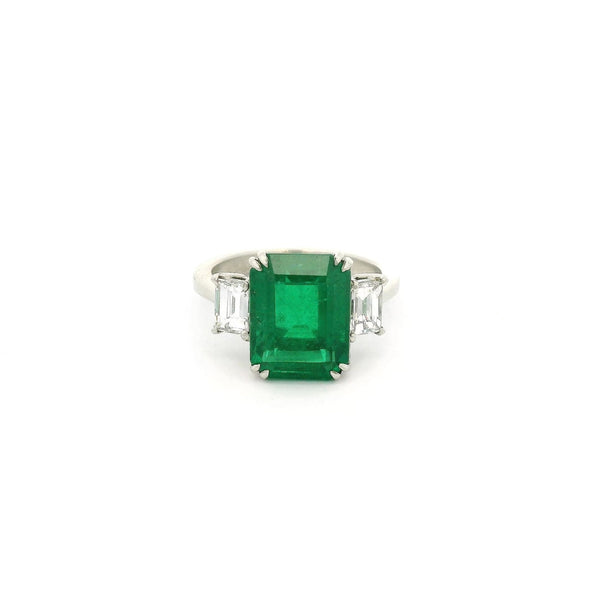
    Emeralds are not cut to maximize brilliance, but rather to preserve color and structural integrity. The emerald cut, with its step-like facets and truncated corners, was specifically developed for this purpose. It reduces stress on vulnerable points within the crystal and allows the stone’s color to take precedence over sparkle.

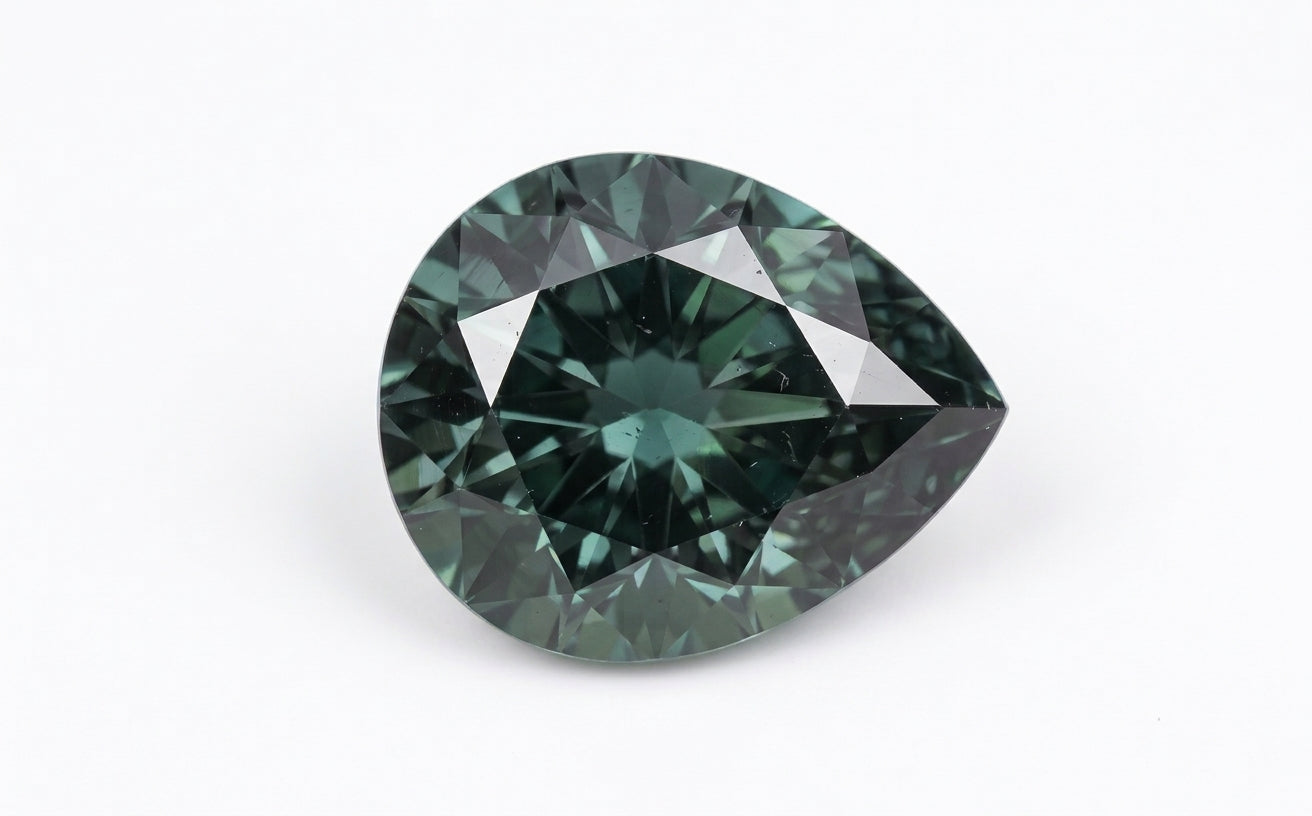
    Other shapes such as oval, cushion, and pear are also used, but all cutting decisions must account for the internal characteristics of the stone, particularly the presence of inclusions.


    Durability and Wear

    Although emeralds rank relatively high on the Mohs hardness scale, their internal structure makes them more susceptible to damage than many other gemstones. Careful setting and mindful wear are essential, particularly for rings that are exposed to daily impact. Ultrasonic cleaning is generally avoided, as it can compromise treated fractures.


    Rarity and Market Value

    The value of an emerald is ultimately determined by a combination of color, clarity, origin, treatment, and size. However, underlying all of these factors is rarity. Fine emeralds are scarce not only because of the conditions required to form them, but also because so few crystals emerge from the ground with the combination of attributes necessary to be considered exceptional.

    At the highest levels, emeralds can command prices that rival or exceed those of diamonds. Stones with vivid color, minimal treatment, and significant size are among the most coveted in the world, often appearing in important collections and high jewelry pieces.


    Emerald Jewelry at Forever Rox Fine Jewelry

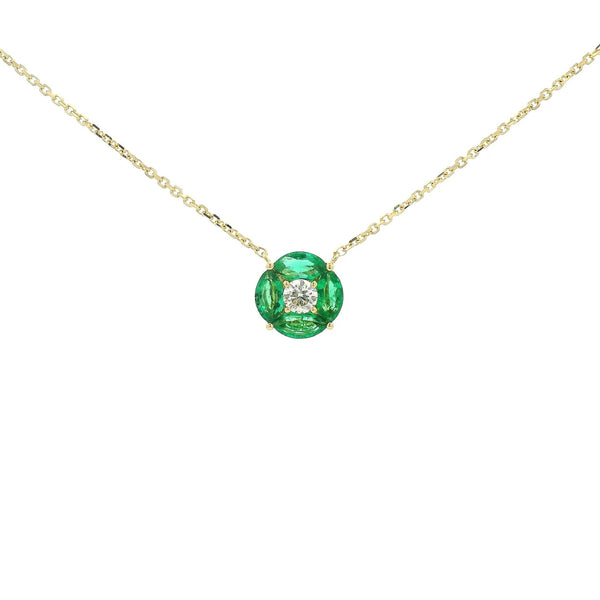
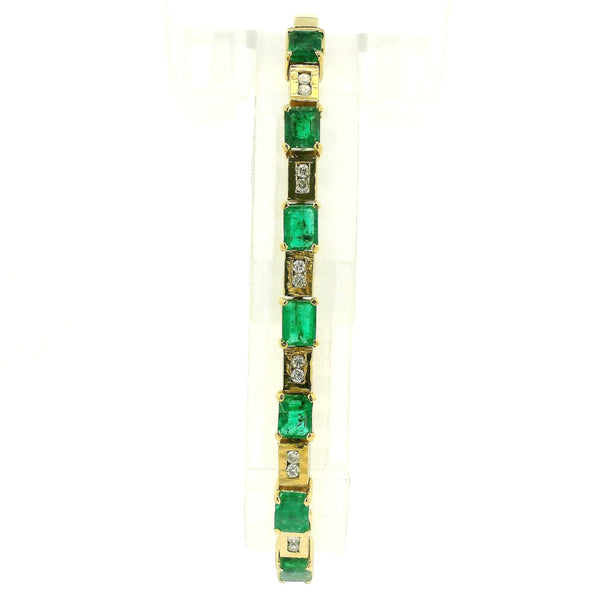
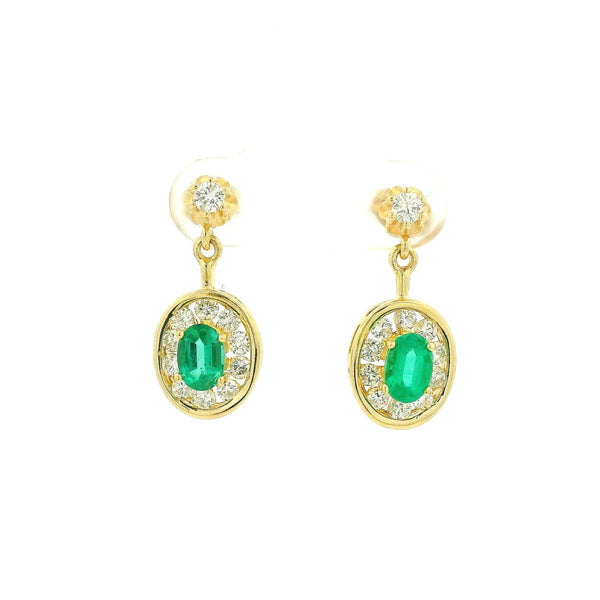
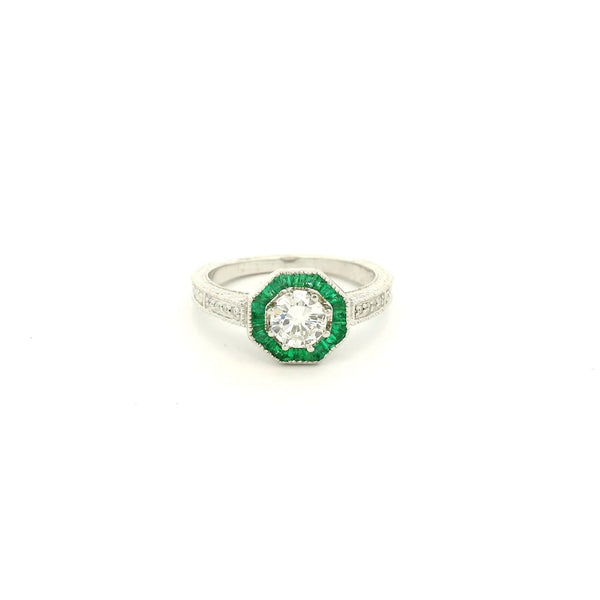
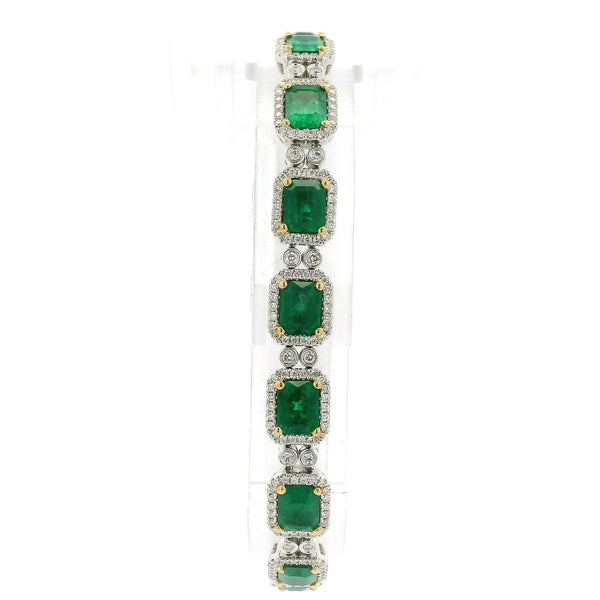
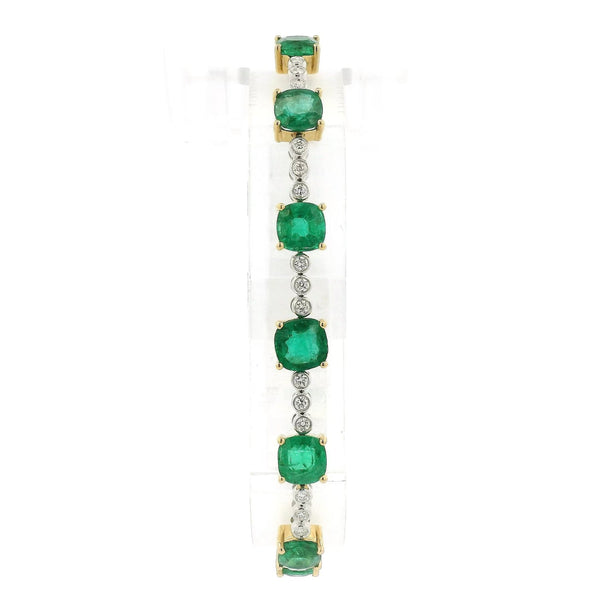
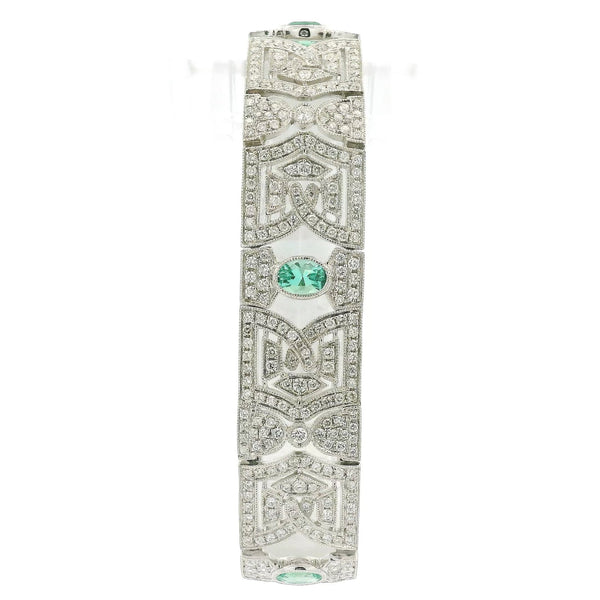
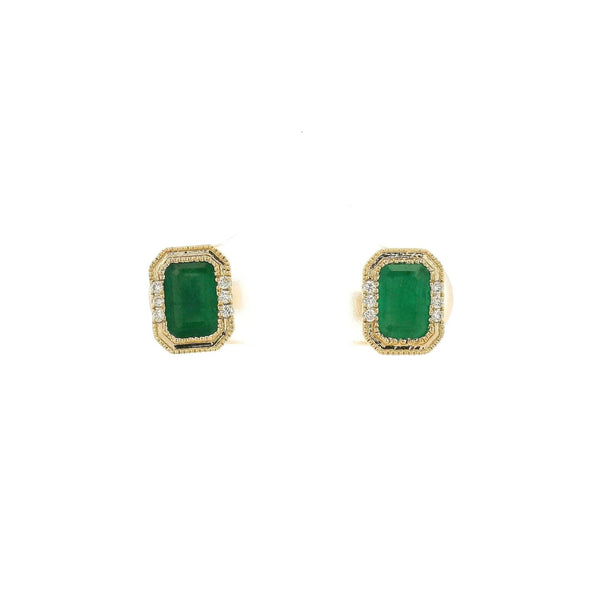
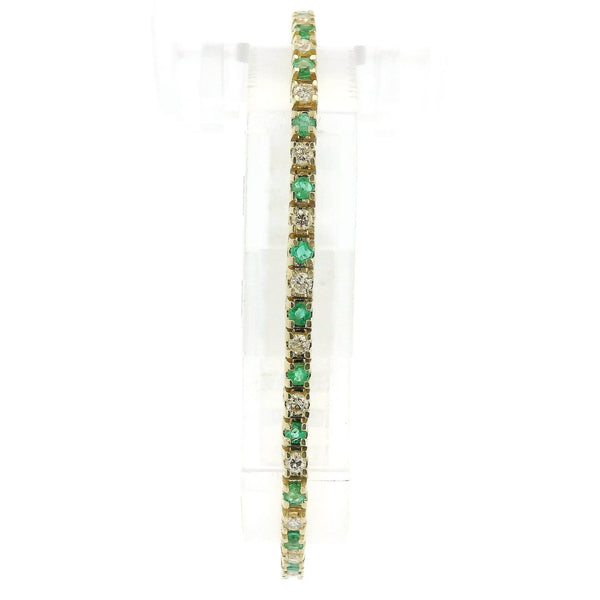
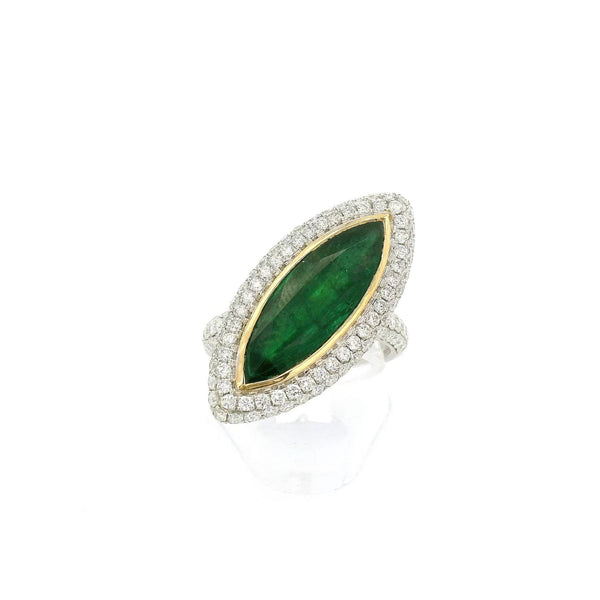
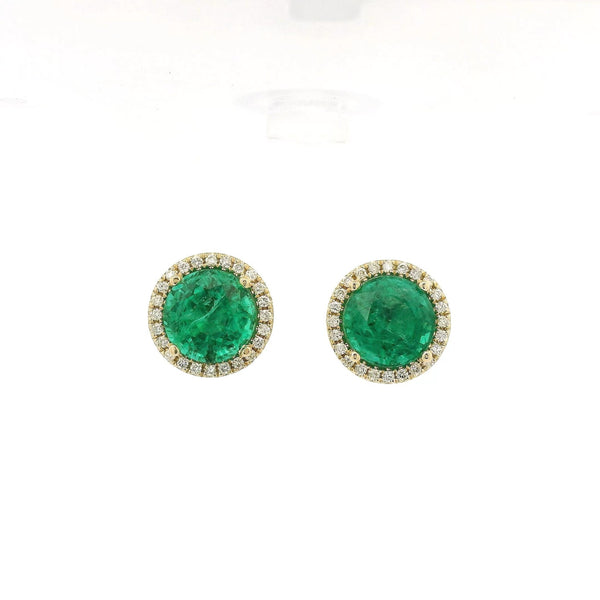
    At Forever Rox Fine Jewelry in Incline Village, our approach to emeralds reflects the same principles that define their value: careful selection, transparency, and an appreciation for the nuances that make each stone unique. We work with emeralds from Colombia, Zambia, and Brazil, selecting stones based on color, character, and overall balance rather than any single attribute.

    Whether incorporated into a custom design or selected as part of a finished piece, each emerald is chosen with the intention of creating jewelry that is both visually compelling and enduring.

Back to blog

FAQ

Are emeralds always treated?

Most emeralds undergo oil treatment to improve clarity, though the level of treatment varies.

Which emerald origin is best?

Colombian emeralds are traditionally considered the finest, though exceptional stones from Zambia and Brazil are also highly valued.

What does F1 mean in emeralds?

F1 indicates minor clarity enhancement and is the most desirable treatment level.

Why do emeralds have inclusions?

Their formation process naturally produces internal features, which are considered part of their identity.

Are emeralds more valuable than diamonds?

High-quality emeralds can be more valuable than diamonds, particularly when they exhibit vivid color, minimal treatment, and significant size. Fine Colombian emeralds, in particular, can command extremely high prices per carat.

Can emeralds be worn every day?

Emeralds can be worn daily with care, but they are more fragile than diamonds due to internal inclusions. Protective settings and mindful wear are recommended.