Introduction to Peridot
Peridot is one of the few gemstones that exists in only one color family, yet within that constraint, it displays a surprising range of variation. Unlike gemstones such as sapphire or tourmaline, which owe their color to trace elements, peridot’s green is intrinsic to its chemical structure.
This gives it a very specific visual identity. A true peridot does not drift into blue-green or deep forest tones. Instead, it maintains a bright, slightly warm green that can range from yellowish-green to a more balanced, saturated olive tone.
What makes peridot particularly interesting is not just its color, but its origin. It is one of the only gemstones that forms deep within the Earth’s mantle and is brought to the surface through volcanic activity. In rare cases, it has even been found in meteorites, making it one of the few gemstones with both terrestrial and extraterrestrial origins.
Formation: A Gemstone from the Mantle

Peridot is the gem-quality variety of the mineral olivine, and its formation is fundamentally different from most gemstones used in jewelry. While many gemstones crystallize in the Earth’s crust, peridot forms much deeper, typically within the upper mantle.
It reaches the surface through volcanic activity, often carried within basaltic rock. These deposits, known as xenoliths, contain fragments of mantle material that have been transported upward during eruptions.
This origin explains several key characteristics of peridot. Its crystal structure tends to be relatively clean compared to heavily included stones like emerald, but it also commonly contains distinctive internal features such as lily pad inclusions—small, disk-like formations caused by stress fractures and mineral inclusions.
The fact that peridot originates from such depth gives it a geological identity that is very different from stones formed closer to the surface.

Color: Why Peridot Is Always Green
Peridot’s color is caused by iron within its crystal structure. Unlike most gemstones, where trace elements influence color, iron is a primary component of peridot itself. This means the green color is not optional—it is built into the material.
The variation in color comes from how much iron is present. Lower concentrations result in lighter, more yellowish-green stones, while higher concentrations produce deeper olive tones.
The most desirable peridot strikes a balance. It should be strongly saturated without becoming too dark or too yellow. Stones that appear overly yellow can look weak, while stones that lean too far into dark olive can lose brightness.
Unlike emerald or tourmaline, peridot does not display a wide spectrum of green tones. This makes subtle differences in saturation and tone far more important when evaluating quality.
Clarity and Internal Characteristics
Peridot is often found with relatively good clarity, especially in smaller sizes. Eye-clean stones are common, which helps give the gemstone its bright and open appearance.
One of the most recognizable features of peridot is the presence of “lily pad” inclusions. These appear as small, rounded internal features that can resemble floating disks within the stone. While inclusions generally reduce value in most gemstones, these are often considered characteristic of natural peridot and can help confirm authenticity.
In high-quality stones, inclusions should not interfere with transparency or brilliance. The goal is a clean, bright appearance with minimal visual obstruction.
Cut and Light Performance
Cut plays an important role in how peridot presents its color. Because its color range is relatively narrow, proper cutting is essential to maximize brightness and saturation.
A poorly cut stone may appear washed out or uneven in color, particularly if it suffers from windowing. A well-cut peridot reflects light evenly, maintaining a consistent green tone across the entire surface.
Peridot is commonly cut into standard shapes such as oval, cushion, and round, but the key factor is not the shape itself—it is how effectively the cut enhances the stone’s natural brightness.

Origins: Where Fine Peridot Comes From
Peridot is found in several locations around the world, but certain sources are known for producing higher-quality material.
Pakistan has become one of the most important sources of fine peridot, particularly from the mountainous regions where stones can display strong saturation and larger sizes. Myanmar, specifically the Mogok region, has historically produced excellent material as well.
China is a major supplier of commercial-grade peridot, often producing larger quantities of lighter-colored stones. In the United States, Arizona is known for peridot deposits, particularly on Native American lands, though much of this material tends to be smaller in size.
As with most gemstones, origin alone does not determine quality, but certain regions consistently produce better starting material.
Durability and Wearability
Peridot has a hardness of approximately 6.5 to 7 on the Mohs scale, making it suitable for most jewelry applications, though it is not as resistant to scratching as sapphire or diamond.
It is also slightly more prone to abrasion over time, particularly in rings that are worn daily. Protective settings and mindful wear help preserve the stone’s surface.
Despite this, peridot is widely used in jewelry due to its brightness, affordability, and distinct color.
Value: What Separates Fine Peridot
Peridot remains relatively accessible compared to many other gemstones, but there is still a clear difference between commercial and fine material.
The most valuable stones show strong, saturated green color without excessive yellow or brown undertones. Larger stones with good clarity and balanced color are significantly more rare and command higher prices.
Because peridot is limited to a single color family, quality depends heavily on how well that color is executed rather than how rare the color itself is.
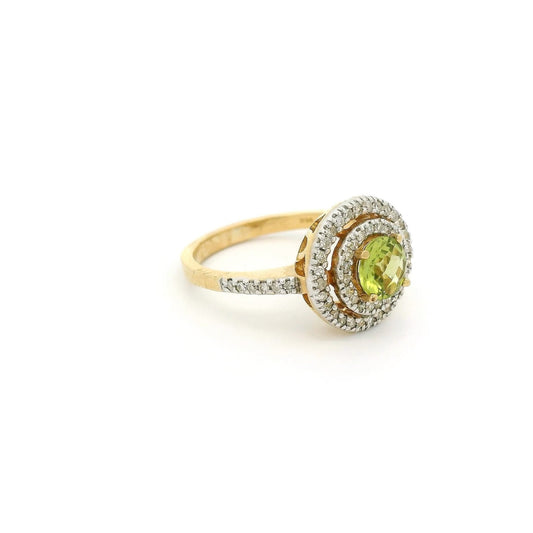
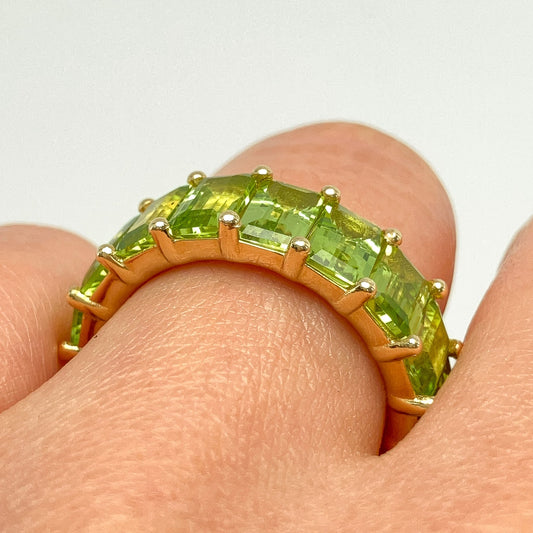
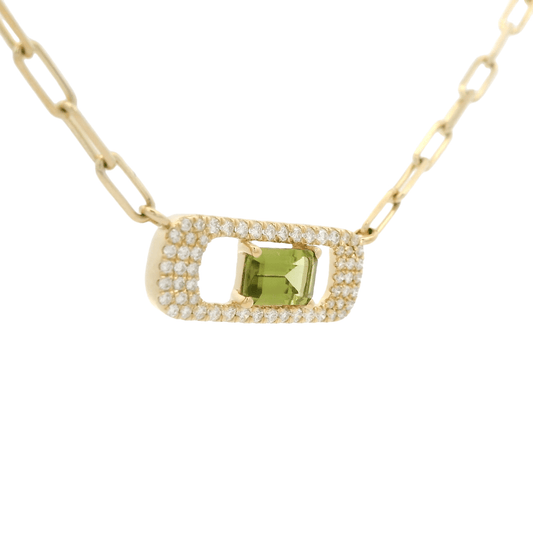
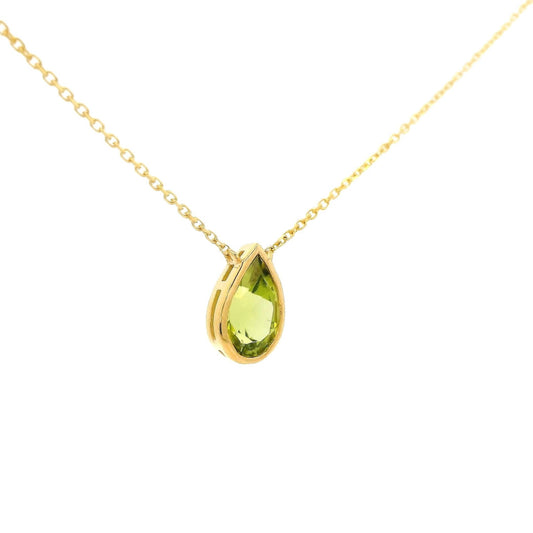
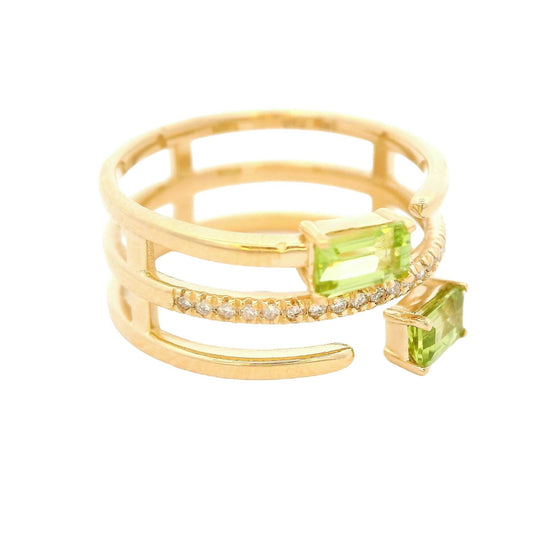
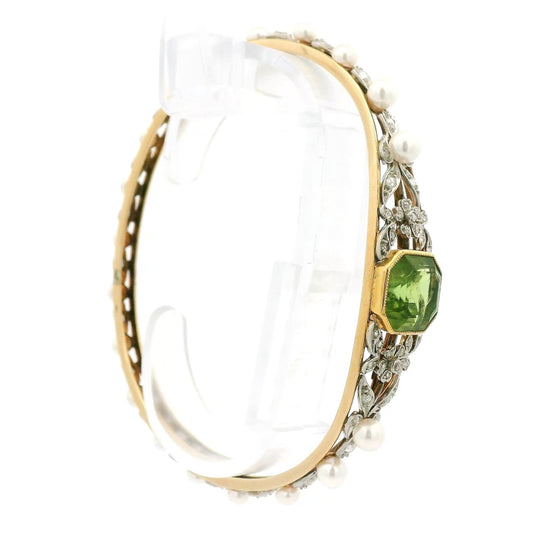
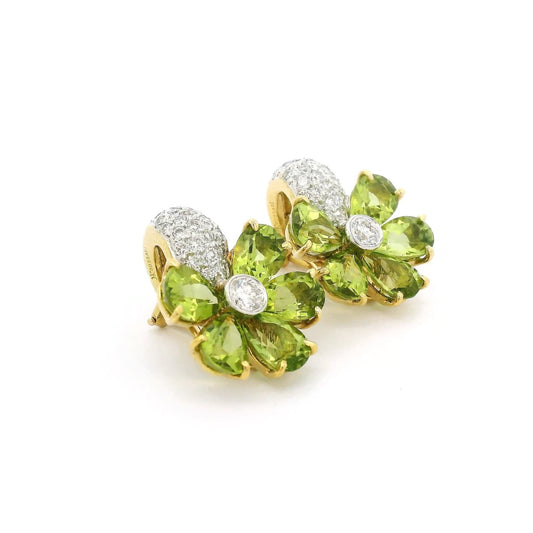
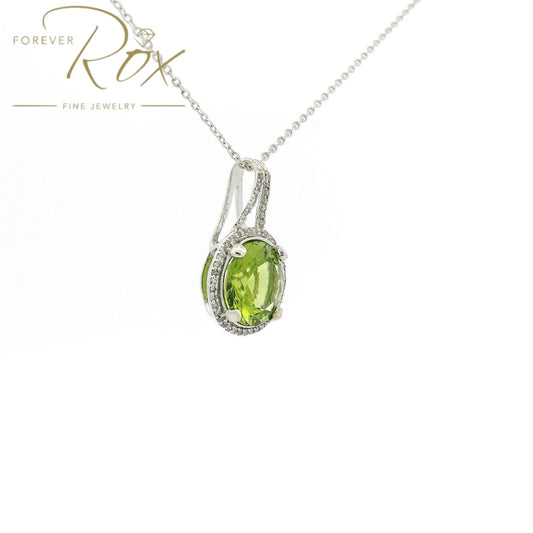
Peridot Jewelry at Forever Rox Fine Jewelry
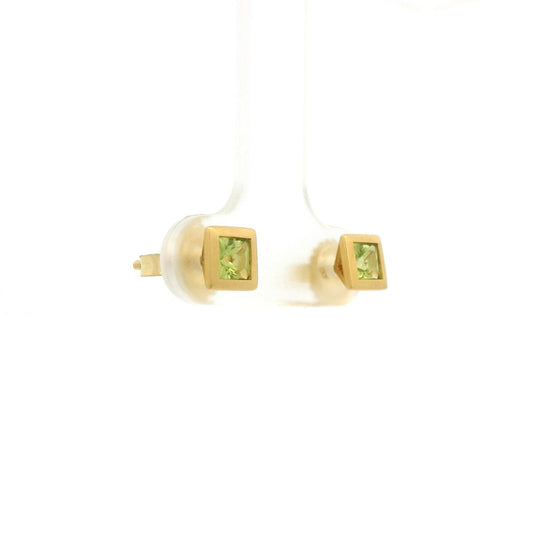
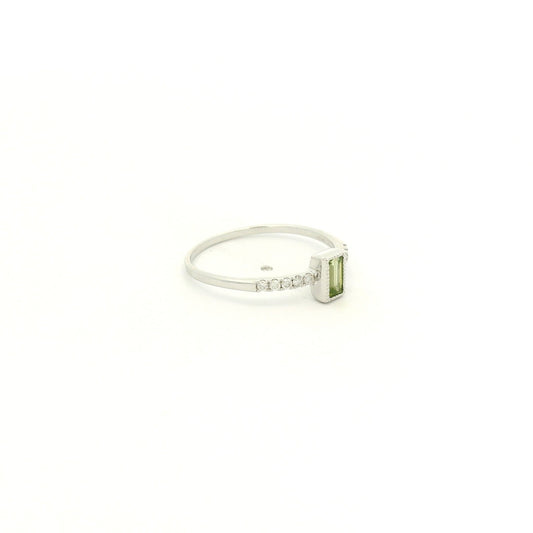
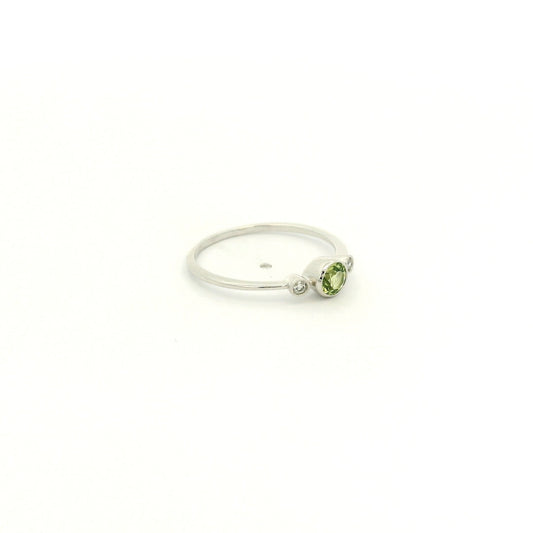
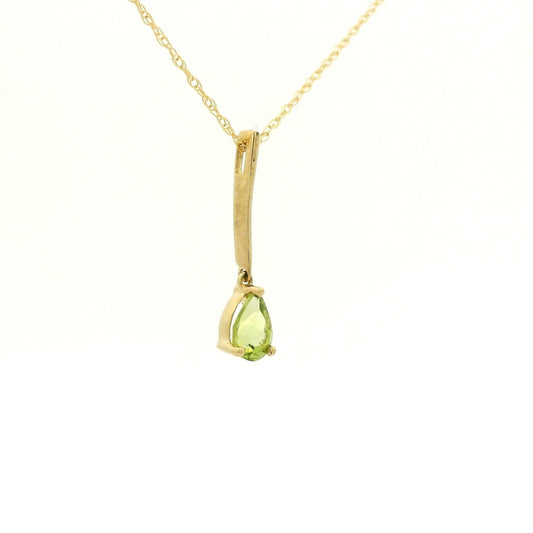
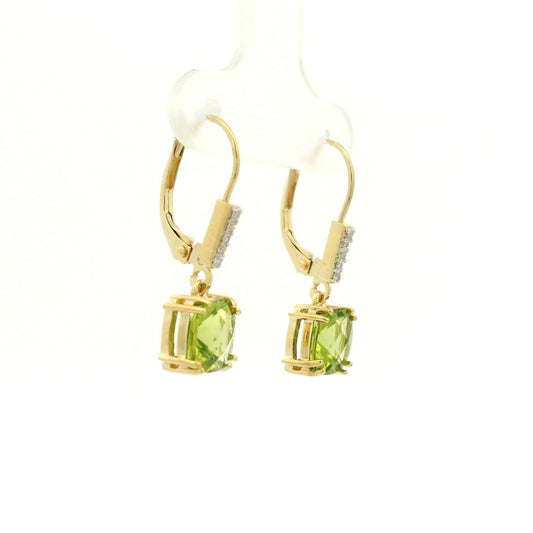
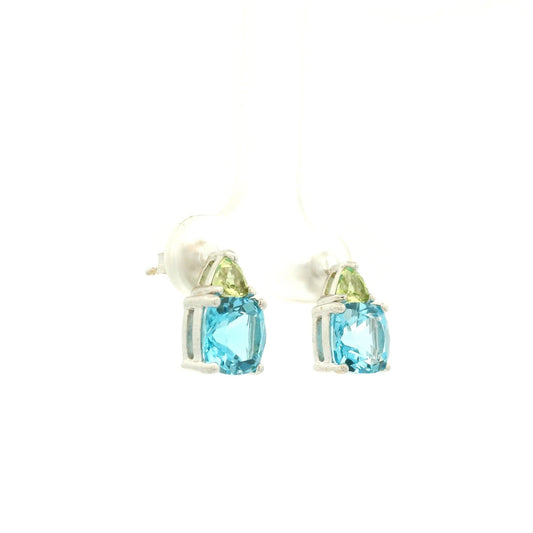
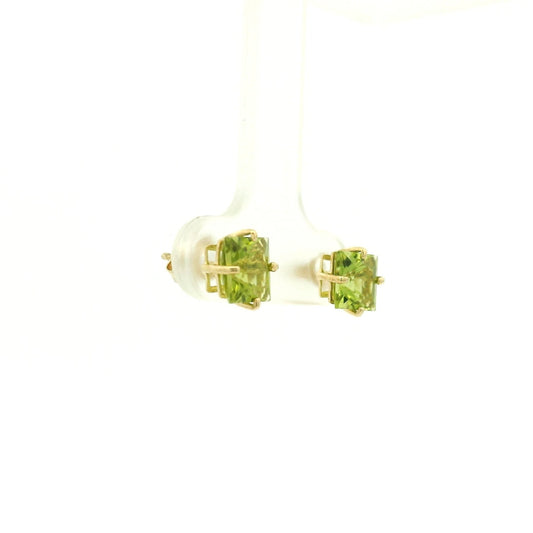
At Forever Rox Fine Jewelry, we focus on peridot that displays strong color and clean clarity. Because the gemstone’s appeal is rooted in its brightness, selecting stones that maintain that visual intensity in natural light is critical.