The Complete Sapphire Guide: Origin, Color, Treatment, and Value - Forever Rox Fine Jewelry

The Complete Sapphire Guide: Origin, Color, Treatment, and Value

Introduction to Sapphires

Sapphires are among the most historically significant and technically fascinating gemstones in the world. As members of the corundum mineral family, they share their composition with rubies, yet are distinguished by a remarkable range of colors and an exceptional balance of durability and beauty. While the deep blue sapphire has become iconic, sapphire as a gemstone exists in nearly every color except red—a distinction reserved exclusively for ruby.

What sets sapphires apart is not simply their visual appeal, but their versatility. They are among the few gemstones capable of combining high hardness, strong brilliance, and a wide spectrum of color, making them equally suited for everyday wear and high jewelry applications. From royal engagement rings to collector-grade stones, sapphires occupy a unique position between accessibility and rarity.


Formation and Composition of Sapphire

Sapphires are composed of aluminum oxide (Al₂O₃), forming under high-temperature conditions typically associated with metamorphic and igneous environments. Trace elements are responsible for the wide range of colors observed in sapphires.

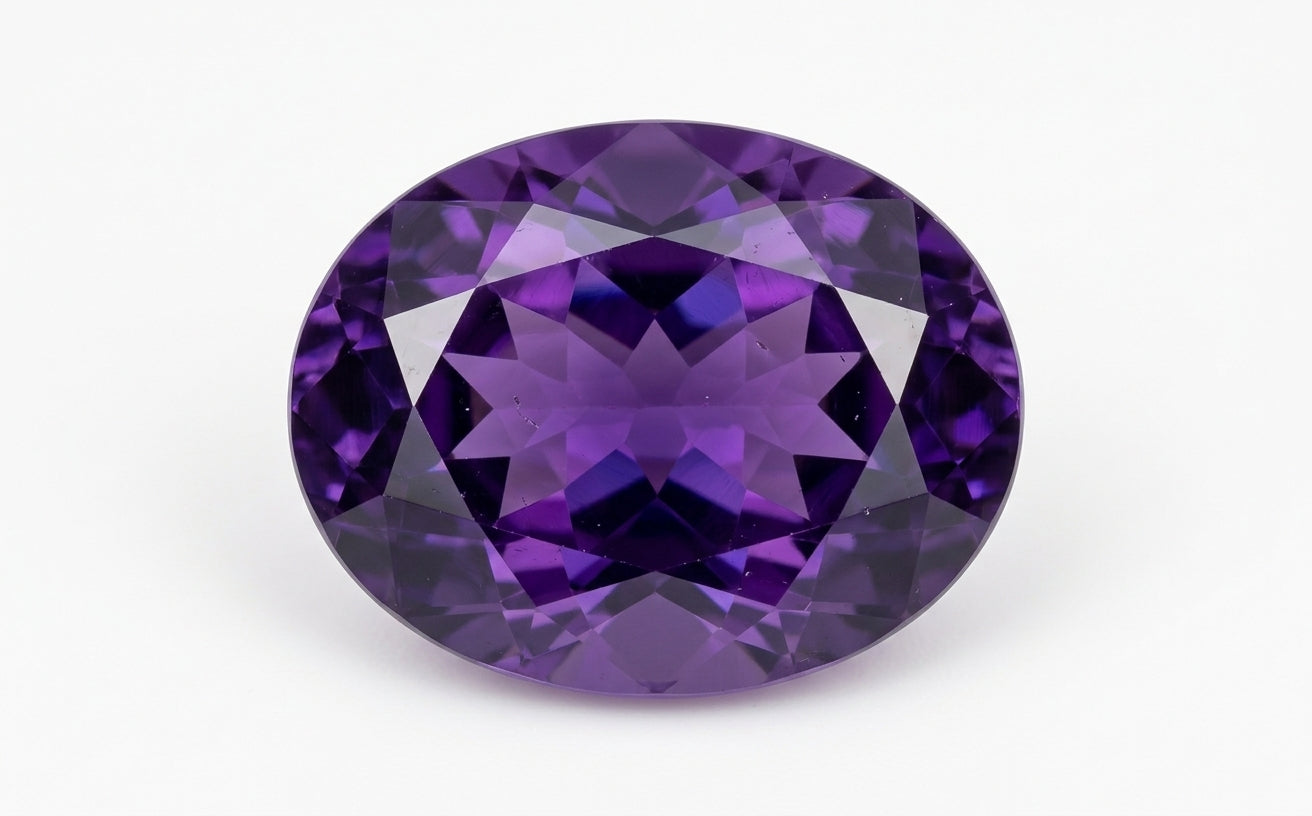
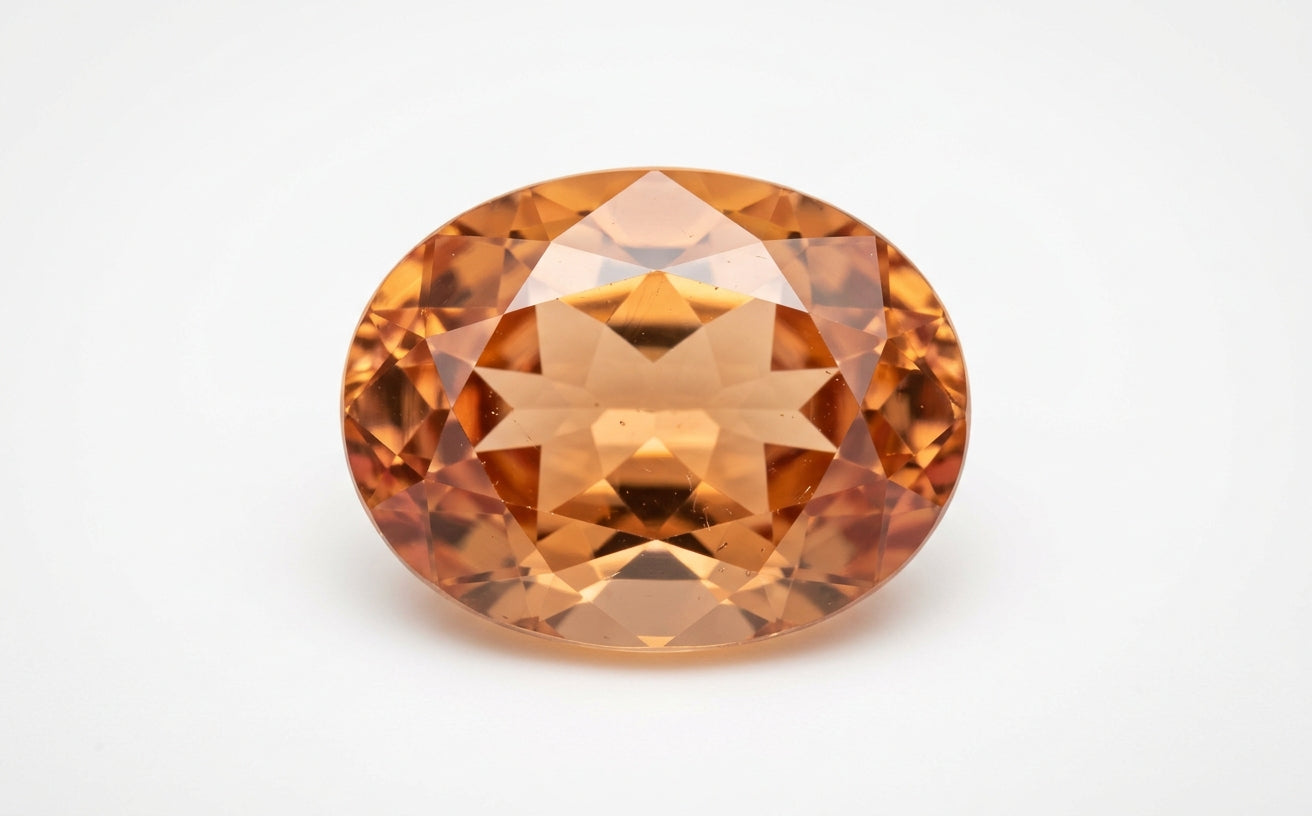
Iron and titanium produce the classic blue coloration, while other trace elements create pink, yellow, green, and purple varieties. In rare cases, a precise balance of elements produces the highly sought-after padparadscha sapphire, known for its delicate pink-orange hue.

Although corundum forms in multiple geological settings, gem-quality sapphire remains relatively rare. The conditions required to produce stones with strong color saturation, good clarity, and suitable size are limited, contributing to their value in the market.


Origins: Kashmir, Sri Lanka (Ceylon), Madagascar, and Beyond

The origin of a sapphire plays a significant role in both its appearance and value, though its importance must be understood in context. While origin alone does not determine quality, certain locations are known for producing material with distinct and desirable characteristics shaped by their geological environments.

Kashmir sapphires are among the rarest  and most valuable gemstones in existence. Discovered in the late 19th century and no longer actively mined, these stones are renowned for their velvety blue color, caused by microscopic rutile inclusions—commonly referred to as silk—that diffuse light within the stone. Their rarity, combined with their unmistakable visual softness, places them at the very top of the sapphire market.

Sri Lankan, or Ceylon, sapphires are some of the most recognizable and widely appreciated. Known for their bright, vibrant blue color, they often exhibit a slightly lighter tone while maintaining exceptional brilliance. Sri Lanka is also a major source of fancy sapphires, including pink, yellow, and the highly sought-after padparadscha, making it one of the most versatile sapphire-producing regions in the world.

Madagascar has emerged as one of the most important modern sources of sapphire. Stones from this region display a wide range of colors and qualities, often rivaling those from more historic sources while offering greater availability. Many Madagascar sapphires exhibit strong saturation with good clarity, making them an increasingly important presence in the fine gemstone market.

Myanmar (Burma) is historically significant for producing both rubies and sapphires. Burmese sapphires are often characterized by rich color and strong saturation, though they are less commonly discussed than their ruby counterparts. Fine stones from this region can display exceptional depth and are valued for their rarity and historical provenance.

Thailand has long played a central role in the global gemstone trade, both as a source and as a cutting and treatment hub. Thai sapphires are typically darker in tone, often with inky blue or greenish-blue hues. While they may not command the same premiums as Kashmir or Ceylon stones, they remain an important part of the market.

Australia is known for producing darker blue sapphires, often with strong green or inky undertones due to higher iron content. These stones tend to be more abundant and are frequently used in commercial jewelry, though fine examples do exist.

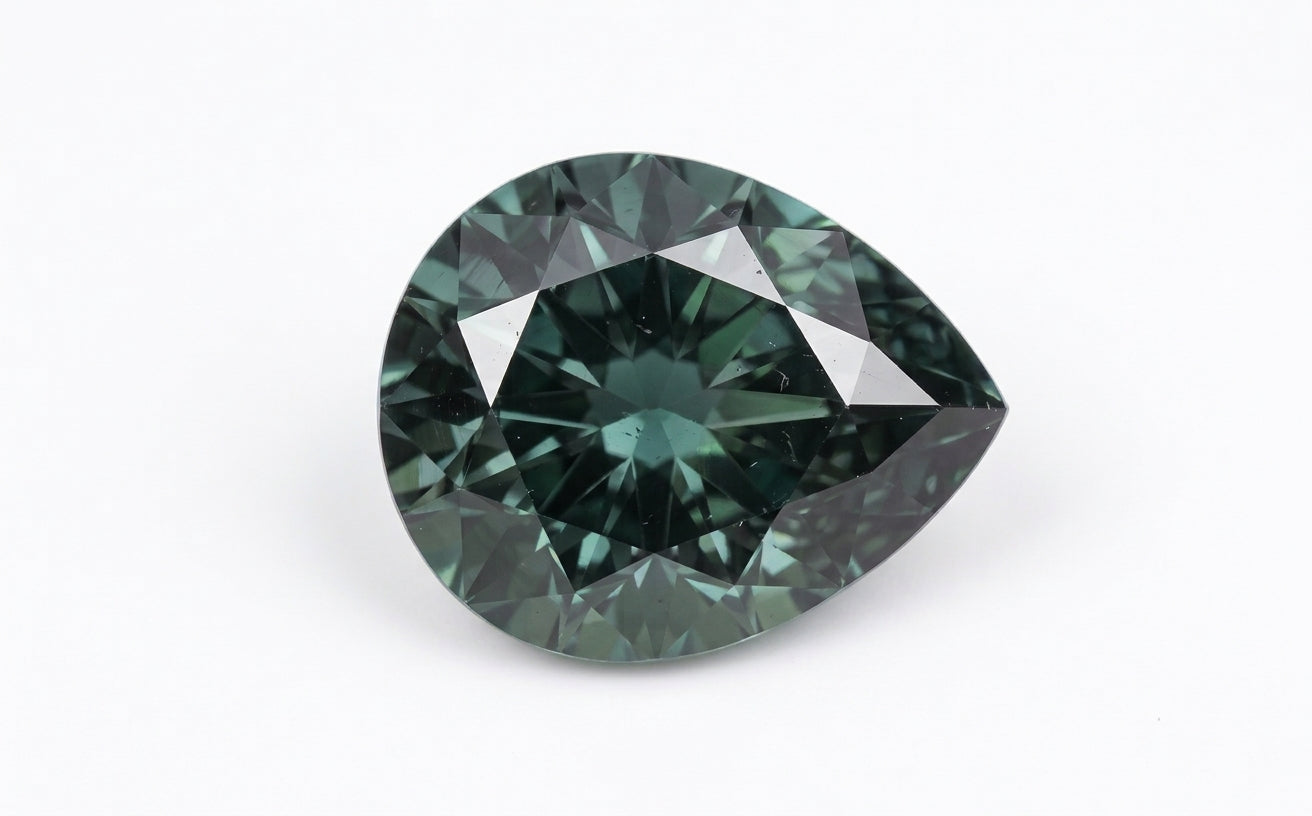
Montana sapphires, mined in the United States, have gained increasing popularity in recent years. Known for their unique color range—including teal, greenish-blue, and parti-color stones—they appeal to buyers looking for something distinctive and domestically sourced.

Additional deposits exist in regions such as Tanzania, Nigeria, Cambodia, and Vietnam, each contributing to the global sapphire supply with varying color profiles, clarity characteristics, and market positioning. While not all sources produce consistent fine-quality material, they play an important role in the broader gemstone landscape.


Color: The Defining Characteristic of Sapphire

Color is the most important factor in determining a sapphire’s value. While blue remains the most iconic, sapphires are available in nearly every color except red (ruby).

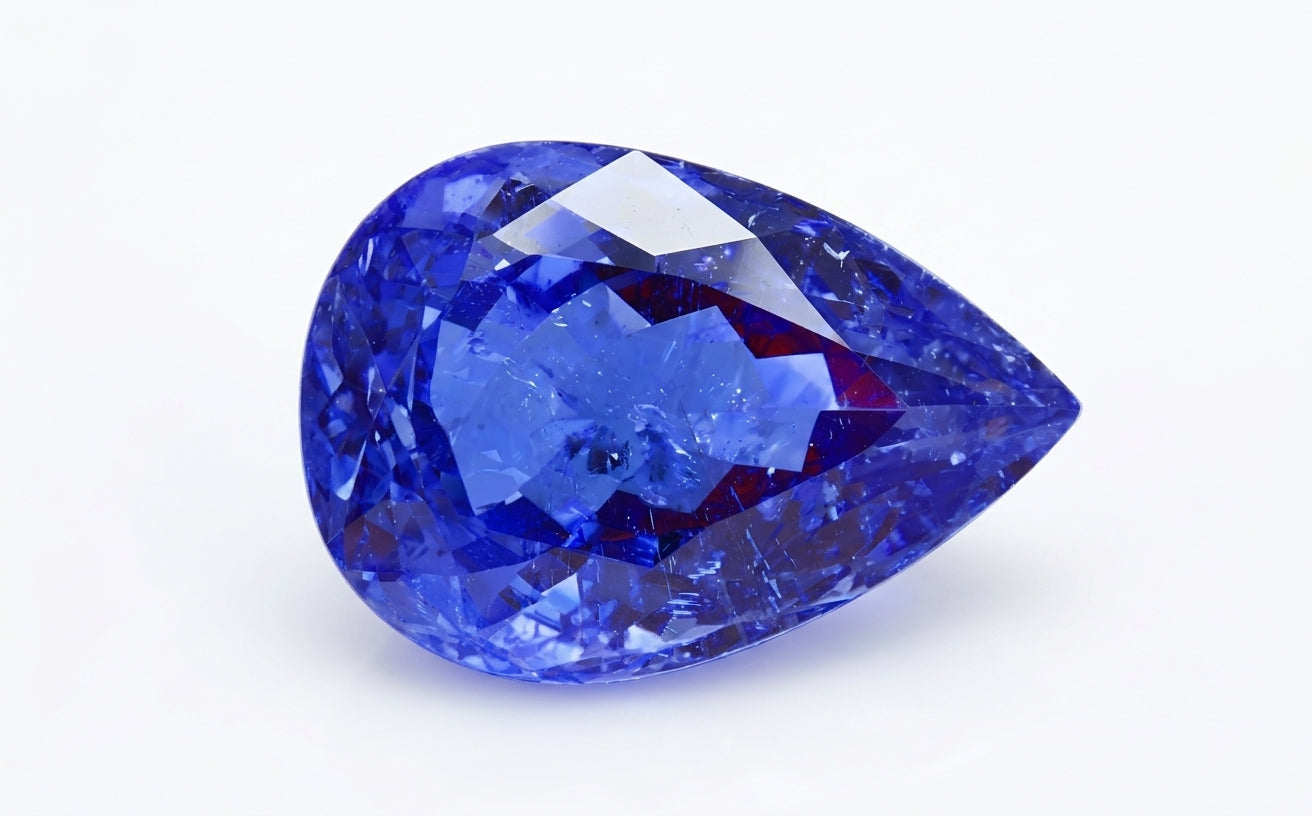
The finest blue sapphires display a rich, vivid blue with strong saturation and medium tone. Stones that are too dark may appear inky, while those that are too light can lack presence. The most desirable stones achieve a balance that allows light to return evenly, creating both depth and brilliance.

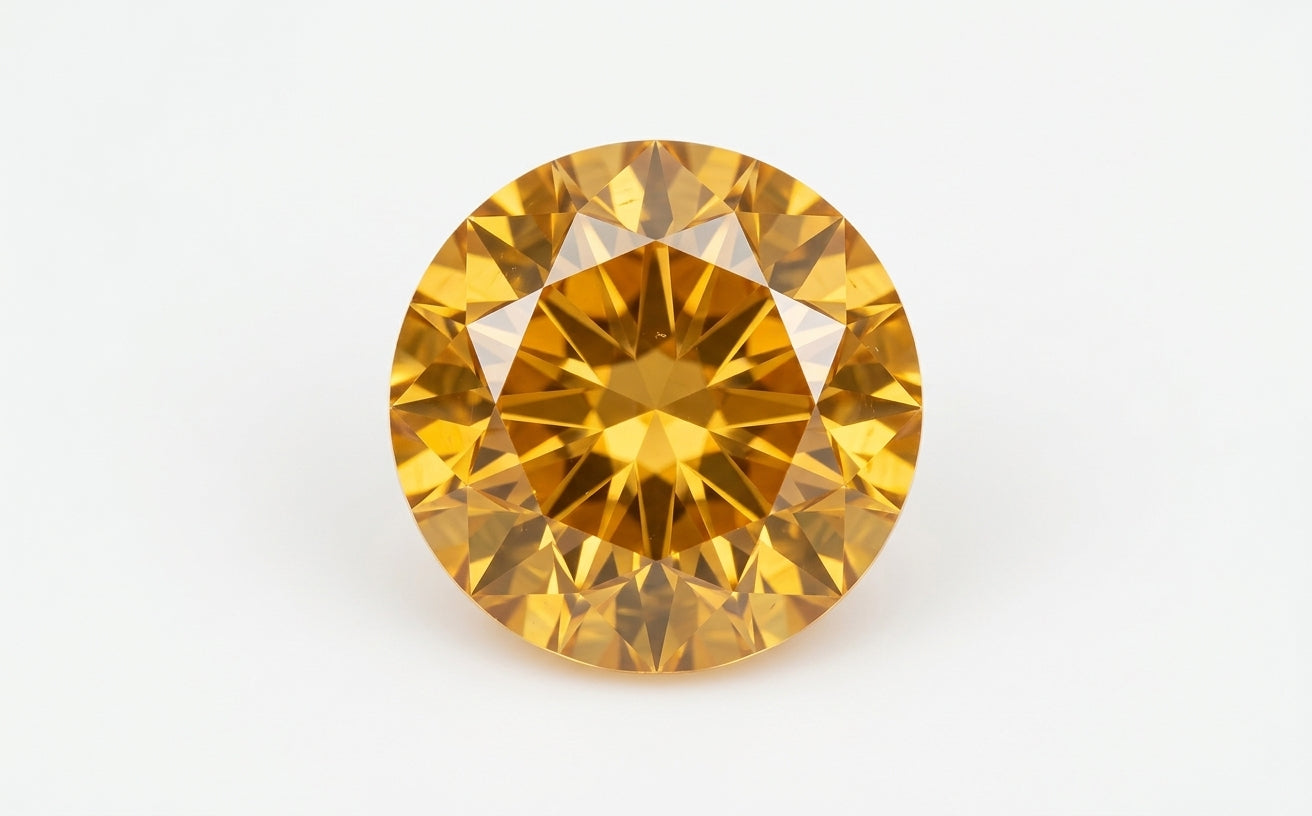
Beyond blue, sapphires occur in a wide spectrum of colors known as fancy sapphires. Among these, padparadscha sapphires are particularly rare, combining pink and orange tones in a delicate balance that is highly prized among collectors.


Clarity and Internal Characteristics

Sapphires generally exhibit higher clarity than Emeralds, though inclusions are still common and often expected. One of the most characteristic features is the presence of rutile needles, commonly referred to as “silk.”

These inclusions can influence both appearance and value. In some cases, they contribute to a soft, velvety appearance, particularly in Kashmir sapphires. In others, they may produce optical phenomena such as asterism, where a star-like pattern appears on the surface of the stone.

Clarity is evaluated based on the visibility and impact of these inclusions, with cleaner stones generally commanding higher prices, provided color remains strong.


Treatments: Heat and Enhancement

Heat treatment is the most common and widely accepted enhancement in sapphires. It is used to improve both color and clarity by dissolving inclusions and enhancing saturation.

Unheated sapphires are significantly rarer and often command a premium, especially when accompanied by certification verifying their natural state. These stones are particularly sought after by collectors and high-end buyers.

Other treatments, such as diffusion or fracture filling, are less desirable and must be disclosed, as they can significantly impact the value and durability of the gemstone.


Cutting and Proportion

Sapphires are cut to maximize both color and brilliance. Unlike Emeralds, which require more conservative cutting due to fragility, sapphires allow for a wider range of shapes and facet styles.

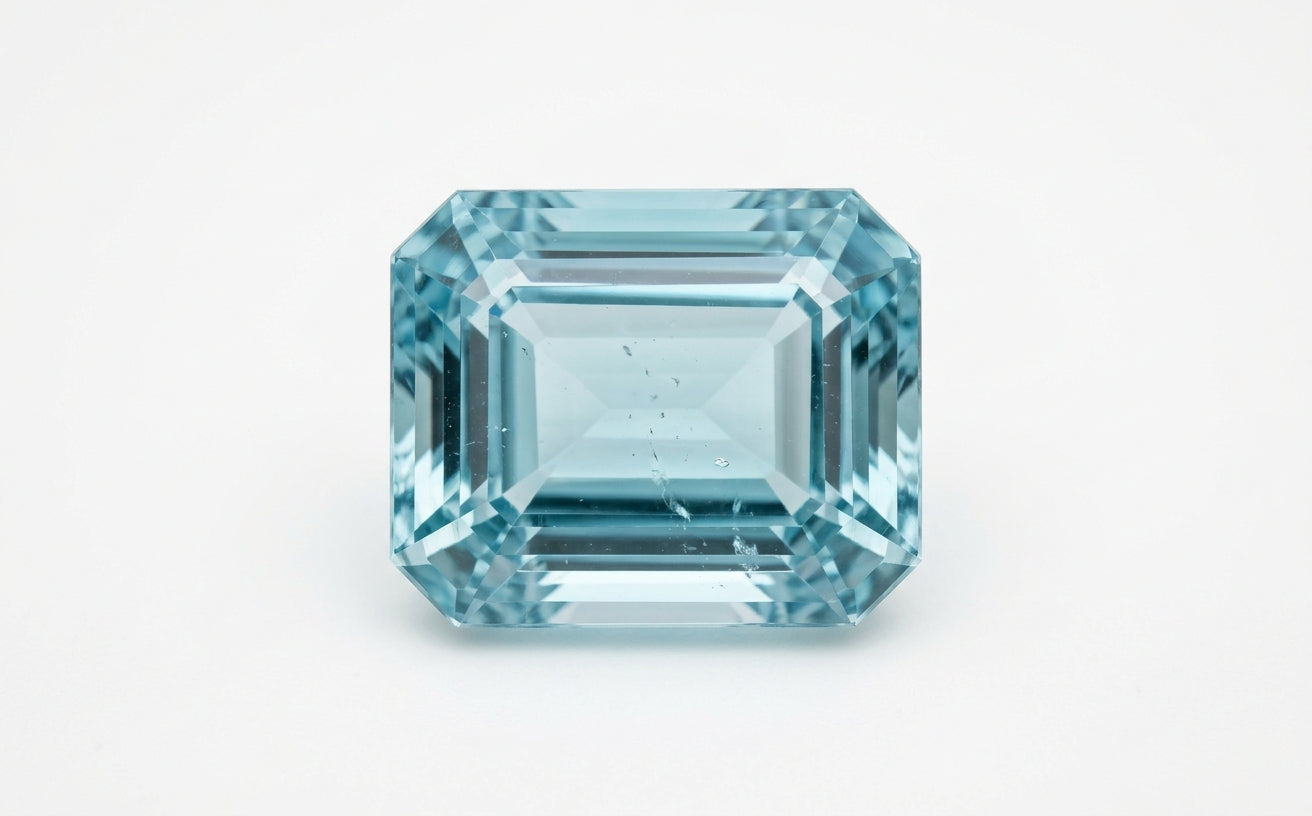
Oval and cushion cuts are among the most common, as they preserve weight while enhancing color. Round cuts are less common due to yield loss, while emerald cuts are occasionally used for a more refined, understated appearance.


Durability and Wearability

With a hardness of 9 on the Mohs scale, sapphires are among the most durable gemstones available. This makes them ideal for everyday wear, including engagement rings and other frequently worn pieces.

Their durability, combined with their color variety, makes them one of the most versatile gemstones in fine jewelry.


Rarity and Value

While sapphires are more abundant than rubies, fine-quality stones remain rare. The highest-value sapphires typically exhibit strong color saturation, good clarity, minimal treatment, and desirable origin.

Kashmir sapphires, due to their rarity and historical significance, are among the most valuable. Unheated Ceylon sapphires and fine stones from Madagascar also command significant prices, particularly in larger sizes.


Sapphire Jewelry at Forever Rox Fine Jewelry

At Forever Rox Fine Jewelry in Incline Village, we specialize in sourcing high-quality sapphires, with a particular focus on Ceylon sapphires known for their brilliance and color.

We carefully select stones based on color, clarity, and overall balance, offering both finished pieces and custom-designed sapphire jewelry.

Back to blog

FAQ

What is the difference between sapphire and ruby?

Both are corundum, but ruby is red due to chromium, while sapphire refers to all other colors.

Are Ceylon sapphires the best?

Ceylon sapphires are highly valued for their bright, vibrant blue color and excellent brilliance, though quality depends on the individual stone.

Are unheated sapphires more valuable?

Yes, unheated sapphires are rarer and typically more valuable than heat-treated stones.

Do sapphires come in colors other than blue?

Yes, sapphires occur in nearly every color except red, including pink, yellow, green, and the rare padparadscha.

Can sapphires be worn every day?

Yes, due to their hardness, sapphires are ideal for daily wear.

What is a padparadscha sapphire?

A rare variety of sapphire displaying a unique blend of pink and orange hues.