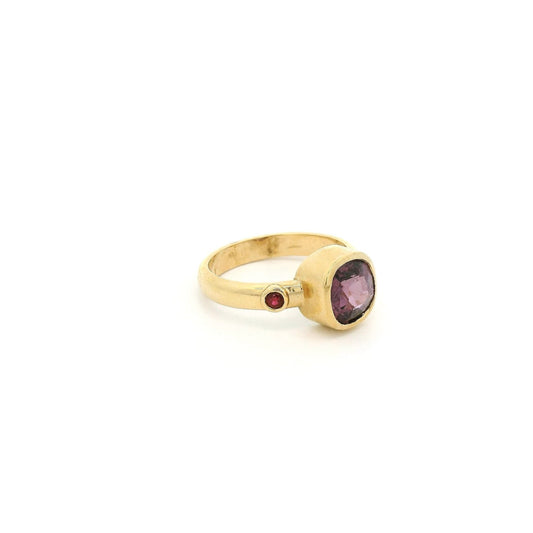
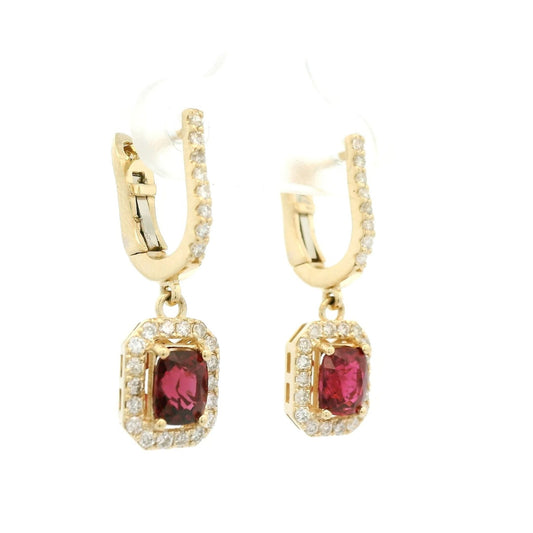
Introduction to Spinel
For centuries, spinel existed in the shadow of other gemstones. Some of the most famous “rubies” in history were later discovered to be spinels, including stones in royal collections that had been misidentified for hundreds of years. Despite this, spinel remained largely overlooked by the jewelry market until relatively recently.
That has changed dramatically over the last two decades.
Fine spinel is now recognized as one of the most important collector gemstones in the world, valued for its exceptional brilliance, strong saturation, and broad color range. Unlike many gemstones that rely heavily on treatments to improve appearance, spinel is prized because fine stones are often completely untreated.
What makes spinel particularly compelling is its combination of rarity and visual performance. In top material, it can display extraordinary color satuFration with exceptional transparency and brightness, often rivaling gemstones that are far more widely recognized.

Why Spinel Was Mistaken for Ruby for Centuries![]()
The confusion between ruby and spinel is not accidental. Fine red spinel can visually resemble ruby so closely that, before modern gemology, distinguishing between them was nearly impossible.
Historically, gemstones were identified almost entirely by color and appearance rather than chemical composition. Because spinel often forms alongside corundum deposits, many famous red gemstones were automatically assumed to be rubies.
The most famous example is the Black Prince’s Ruby in the British Imperial State Crown, which is actually a large red spinel.
Modern gemological testing eventually revealed that spinel is a completely separate mineral species. Unlike ruby, which is a variety of corundum, spinel belongs to its own mineral group with a different crystal structure and chemical composition.
Ironically, many of the characteristics that once caused confusion are now exactly why collectors value fine spinel so highly.
Color: One of the Broadest Ranges in Gemstones
Spinel occurs in an unusually wide range of colors, and unlike gemstones such as sapphire, many spinels display an especially pure, open tone that gives them exceptional brightness.
Red spinel remains the most historically important variety, particularly stones with vivid red or slightly pinkish-red color. However, the market has expanded significantly beyond red.
Pink spinels, especially neon-like Mahenge material, have become some of the most sought-after gemstones in the collector market. Blue spinels, particularly cobalt-bearing stones, can display electric saturation rarely seen in untreated gems. Lavender, violet, gray, silver, and even pastel-toned spinels have also gained popularity because of their unique appearance and high brilliance.
What separates fine spinel from lower-grade material is not just saturation, but transparency and liveliness. Fine stones appear bright and energetic rather than dark or sleepy.
Mahenge Spinel: The Stone That Changed the Market

Few gemstone discoveries have changed the spinel market as dramatically as Mahenge spinel.
Discovered in Tanzania in the Mahenge region, these stones became famous for their intensely saturated pinkish-red and neon pink colors. The finest examples display an almost glowing appearance caused by a combination of strong saturation and exceptional crystal transparency.
What makes Mahenge spinel remarkable is that many stones achieve this appearance naturally without heat treatment. In a market where treatment is common, untreated vivid color significantly increases desirability.
As demand grew, prices for top Mahenge spinels increased rapidly. Fine stones, especially in larger sizes, became increasingly difficult to obtain, and the deposit itself has produced inconsistent supply over time.
Today, Mahenge spinel is considered one of the premier collector gemstones in the colored stone market.
Cobalt Blue Spinel: One of the Rarest Blue Gemstones

Blue spinel exists in several forms, but cobalt-bearing spinel occupies a category of its own.
These stones derive their color from trace amounts of cobalt, producing an electric blue appearance unlike most other blue gemstones. The finest examples can display extremely vivid saturation while maintaining strong brilliance and transparency.
True cobalt spinel is exceptionally rare. Most stones are small, and large clean material is extremely difficult to find. Because of this rarity, fine cobalt spinels command very high prices relative to size.
The rarity of untreated vivid blue material has made cobalt spinel particularly important among collectors.
Clarity and Crystal Structure
Spinel is often found with excellent clarity, particularly compared to gemstones such as emerald or ruby.
Fine stones can be highly transparent with very few visible inclusions, which contributes significantly to their brightness and brilliance. Because spinel has a relatively high refractive index combined with clean crystal structure, it handles light exceptionally well.
Inclusions are still present in many natural stones, but they are generally less disruptive than in heavily included gemstones. Untreated stones with exceptional clarity are especially valued because they demonstrate natural crystal quality without enhancement.
Treatment: Why Untreated Spinel Matters
One of the most important aspects of spinel is that fine material is frequently untreated.
This stands in contrast to gemstones like sapphire and ruby, where heat treatment is extremely common. Collectors and professionals value spinel because exceptional color can occur naturally without significant enhancement.
Untreated status is particularly important in vivid red, pink, and cobalt blue material. Stones displaying strong natural color without treatment are considerably more rare and desirable.
Origins: Where Fine Spinel Comes From
Myanmar has historically been one of the most important sources of fine red spinel, particularly from the Mogok region. Many legendary historic spinels originated there.
Tanzania became globally important after the discovery of Mahenge spinel, while Vietnam is known for producing some cobalt-bearing blue material.
Sri Lanka has long produced spinels in softer pastel shades, including lavender and gray tones that have become increasingly desirable in modern jewelry.
Origin alone does not determine value, but certain locations consistently produce material with recognizable characteristics.
Durability and Wearability
Spinel has a hardness of approximately 8 on the Mohs scale, making it highly suitable for jewelry, including rings intended for regular wear.
Its durability, combined with strong brilliance and frequent lack of treatment, makes it one of the most practical collector gemstones available today.
Value: Why Fine Spinel Has Become a Collector Stone
Spinel pricing has risen substantially as awareness has grown within the gem trade and among collectors.
Fine untreated stones with strong saturation, excellent transparency, and bright appearance are increasingly difficult to source. Mahenge spinel and cobalt blue spinel have seen especially strong demand because of their rarity and visual intensity.
What makes spinel compelling is that it combines several characteristics rarely found together: strong brilliance, broad color range, durability, and frequent lack of treatment.
Spinel Jewelry at Forever Rox Fine Jewelry
At Forever Rox Fine Jewelry, we focus on spinels that display exceptional brightness, clean transparency, and natural saturation. Whether vivid Mahenge material or more subtle pastel tones, the goal is to select stones with strong visual life and long-term rarity.