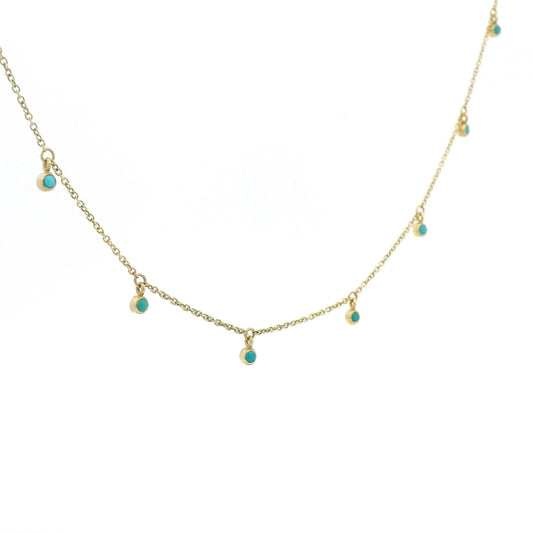
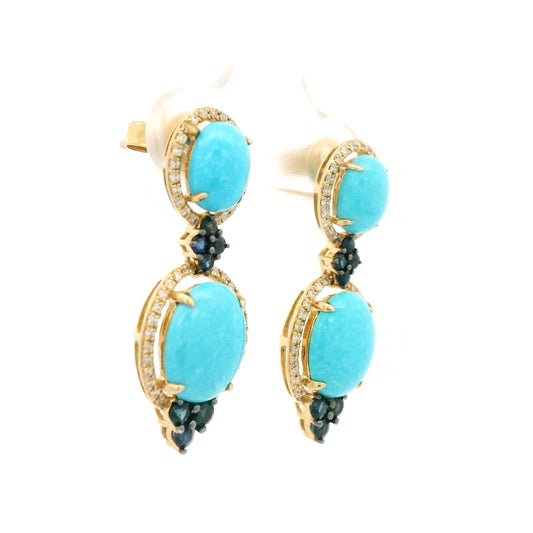
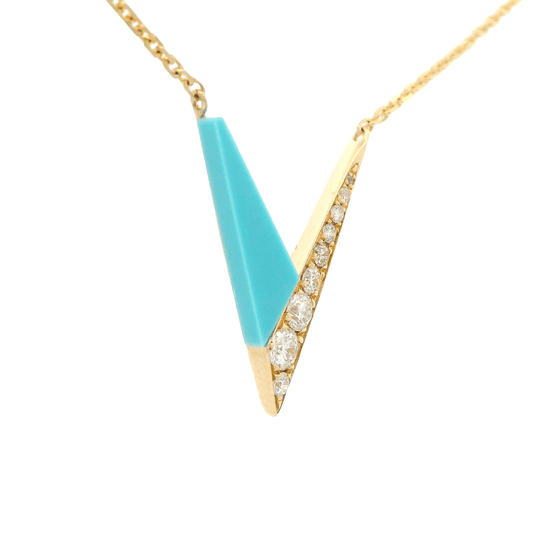
Introduction to Turquoise
Turquoise is one of the oldest known gemstones, used in jewelry and ornamentation for thousands of years across cultures ranging from ancient Egypt to Native American tribes of the American Southwest. Despite its long history, it is also one of the most misunderstood gemstones in the modern market.
Unlike transparent gemstones such as sapphire or zircon, turquoise is opaque. Its value is not driven by brilliance or light return, but by color, texture, and the presence or absence of matrix. These factors are far more nuanced than most buyers realize, and they are heavily influenced by origin and treatment.
Today, the majority of turquoise available is treated in some way. Understanding the difference between natural, stabilized, and imitation material is essential if you want to accurately evaluate the stone.
Formation: How Turquoise Develops in Nature

Turquoise forms in arid environments where copper-rich groundwater interacts with aluminum and phosphorus-bearing minerals. Over time, this process creates deposits within fractures and cavities in the host rock.
This formation environment explains several defining characteristics of turquoise. Its color is directly tied to copper content, while trace elements such as iron can shift the tone toward green. Because it forms in veins and irregular pockets, turquoise rarely appears as large, uniform masses. Instead, it is often interwoven with the surrounding rock, creating what is known as matrix.
Unlike gemstones formed under high heat and pressure deep within the Earth, turquoise develops relatively close to the surface. This contributes to its lower hardness and its tendency to be more porous.
Color: The Most Important Factor

Color is the single most important factor in determining the value of turquoise, and it is also the most debated.
The most sought-after turquoise is often described as “robin’s egg blue,” a bright, even blue with little to no green influence. This color is strongly associated with the now-closed Sleeping Beauty mine in Arizona, which produced some of the most consistent and clean turquoise ever brought to market.
However, not all high-quality turquoise is pure blue. Some stones display a greenish tone due to higher iron content, and in certain markets, particularly in the American Southwest, these variations are appreciated rather than discounted.
What matters most is consistency. Fine turquoise should display even color across the surface without blotchiness or dull areas.
Matrix: Character or Distraction
Matrix refers to the remnants of the host rock that remain within the turquoise. This can appear as veins, webbing, or patches of contrasting material.
In some cases, matrix is considered undesirable, particularly in markets that favor clean, uninterrupted blue stones. In other cases, especially with spiderweb matrix, it becomes a defining feature that adds uniqueness and value.
There is no universal rule for whether matrix is “better” or “worse.” The key is how it presents. Fine matrix should be well-defined, evenly distributed, and visually integrated into the stone rather than appearing random or muddy.
Natural vs Stabilized Turquoise
This is where most of the confusion in the turquoise market exists.
Natural turquoise refers to material that has not been treated to improve durability or color. This type of turquoise is relatively rare because most deposits produce material that is too soft or porous for jewelry use without some form of stabilization.
Stabilized turquoise has been treated with a resin or polymer to strengthen the stone and improve its usability. This process does not necessarily make the stone fake, but it does affect value.
The distinction matters because natural turquoise is significantly more scarce and commands higher prices. Stabilized material is more common and more durable, making it practical for everyday wear, but it does not carry the same rarity.
There are also imitation materials on the market, including dyed howlite and synthetic turquoise, which have no natural origin.
Origins: Why Location Matters More in Turquoise
Origin plays a more significant role in turquoise than in many other gemstones because different mines produce distinctly different material.
American turquoise, particularly from Arizona and Nevada, is known for a wide range of colors and matrix patterns. The Sleeping Beauty mine produced some of the most sought-after pure blue turquoise before its closure.
Persian turquoise from Iran has historically been prized for its intense blue color and relatively low matrix content. This material has been valued for centuries and remains highly regarded.
Each location produces turquoise with its own visual identity, making origin an important part of how the stone is understood and valued.
Durability and Wearability
Turquoise is relatively soft compared to most gemstones used in jewelry, typically ranging from 5 to 6 on the Mohs hardness scale. It is also porous, which means it can absorb oils, moisture, and chemicals over time.
This makes care especially important. Exposure to lotions, perfumes, and even natural skin oils can gradually alter the appearance of the stone.
Stabilized turquoise is more resistant to these effects, which is one reason it is widely used in modern jewelry. Natural turquoise, while more valuable, requires more careful handling.
Value: What Separates Fine Turquoise
The value of turquoise is determined by a combination of factors, with color being the most important. Strong, even blue stones with minimal imperfections are the most sought after.
Natural, untreated turquoise commands a premium due to its rarity. Stones with distinctive and aesthetically pleasing matrix patterns can also be highly valuable, particularly when the pattern is consistent and well-defined.
Size plays a role as well, as larger pieces of high-quality turquoise are increasingly difficult to find.
Turquoise Jewelry at Forever Rox Fine Jewelry
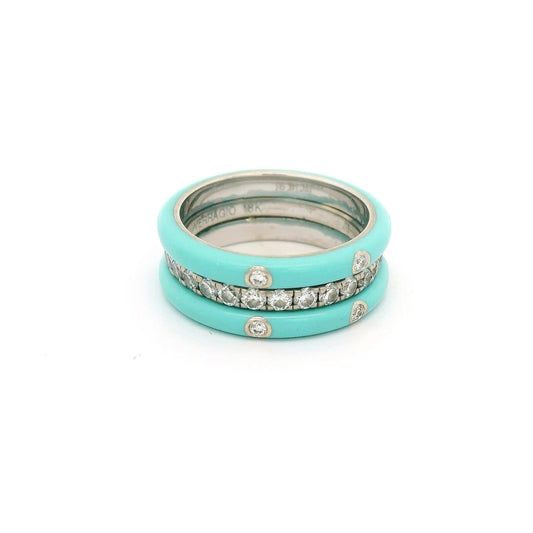
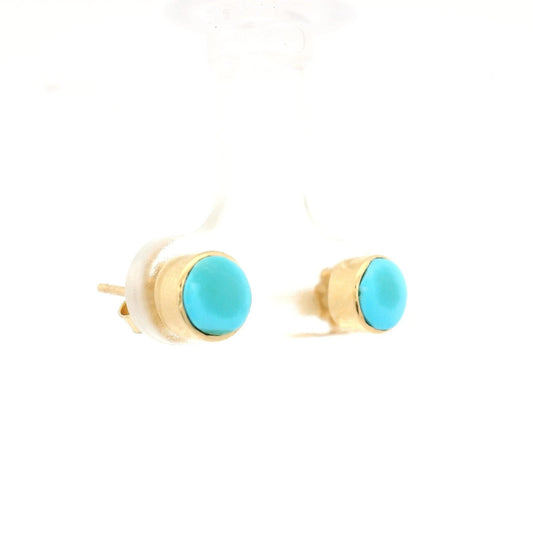
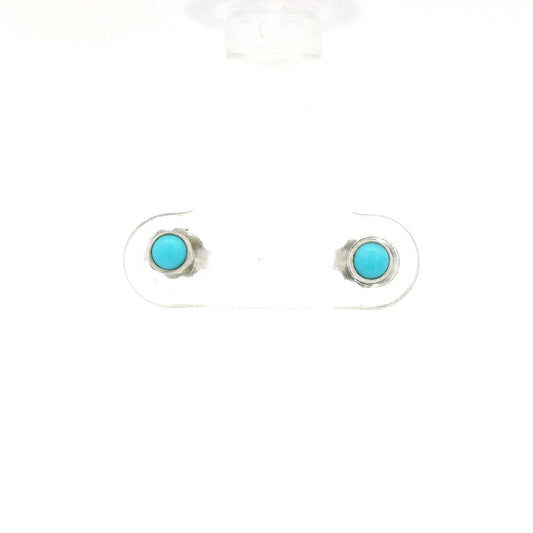
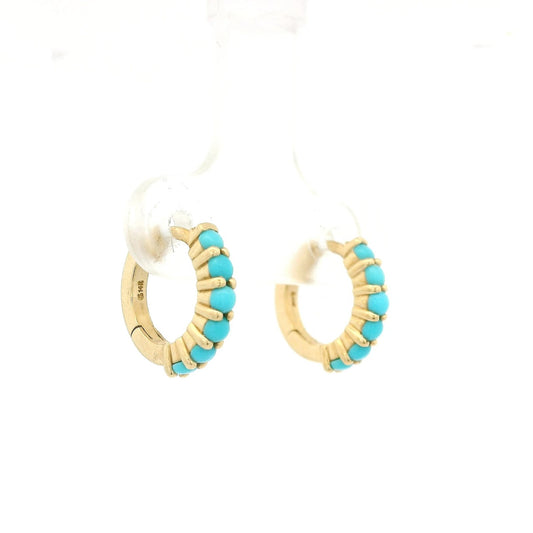
At Forever Rox Fine Jewelry, we focus on turquoise that reflects both quality and authenticity. Whether clean blue stones or pieces with strong natural matrix, the goal is to offer material that holds its character and visual integrity over time.