Introduction to Garnets
Garnet is often reduced to a single idea: a dark red gemstone commonly used in traditional jewelry. In reality, garnet is one of the most diverse gemstone families in existence, encompassing multiple mineral species that produce a wide spectrum of colors, optical effects, and value levels.
Unlike gemstones such as sapphire or diamond, which are single mineral species with variations caused by trace elements, garnet is a group of minerals with distinct chemical compositions. This is why garnet can naturally occur in colors ranging from deep red and vibrant orange to vivid green and even rare color-change material.
At the highest level, certain garnets rival far more famous gemstones in both rarity and visual performance. Tsavorite competes directly with emerald in color, while demantoid is prized for its dispersion—often exceeding that of diamond. Understanding garnet at this level requires moving beyond the basic red stone and looking at the full range of what the group offers.
Garnet as a Mineral Group

The garnet family is composed of several mineral species, each contributing to the range of colors and properties seen in the group. The most important include pyrope, almandine, spessartine, grossular, and andradite.
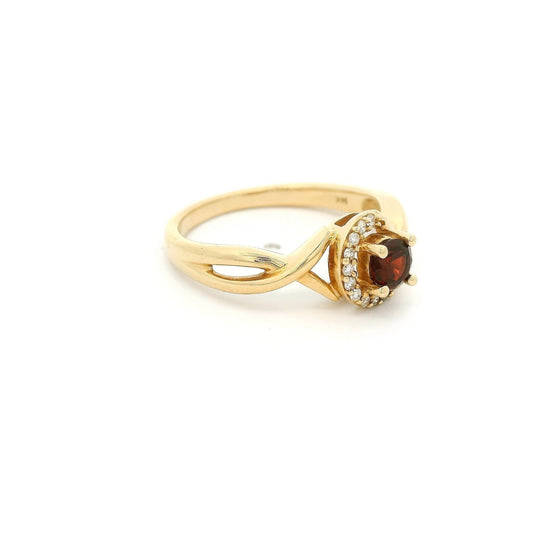
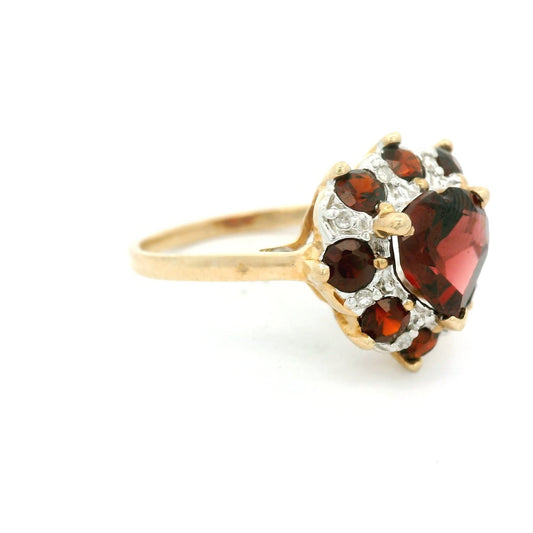
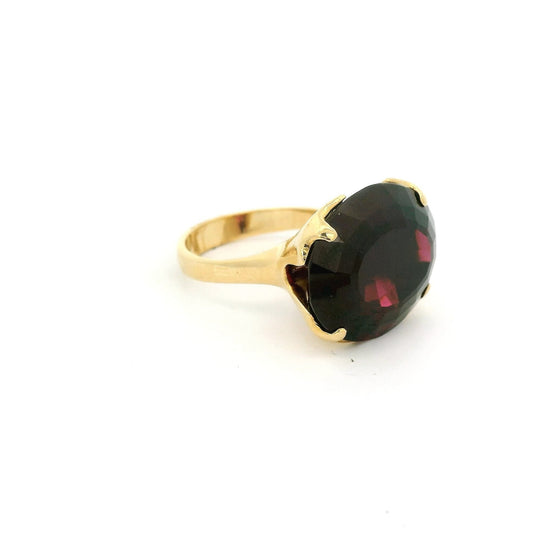
Pyrope and almandine are responsible for the classic red garnets most commonly seen in jewelry. These stones often display deeper tones, sometimes with brownish or purplish modifiers depending on composition.
Grossular garnet includes tsavorite, one of the most valuable green garnets. Andradite includes demantoid, a rare variety known for its exceptional brilliance and dispersion.
This structure is important because it explains why garnet does not rely heavily on treatment. In most cases, the color seen in garnet is entirely natural, resulting from its chemical composition rather than enhancement.
Color Range: One of the Broadest in Gems

tones
Garnet’s color range is one of its defining characteristics. While red remains the most recognized, it represents only a portion of the group’s potential.
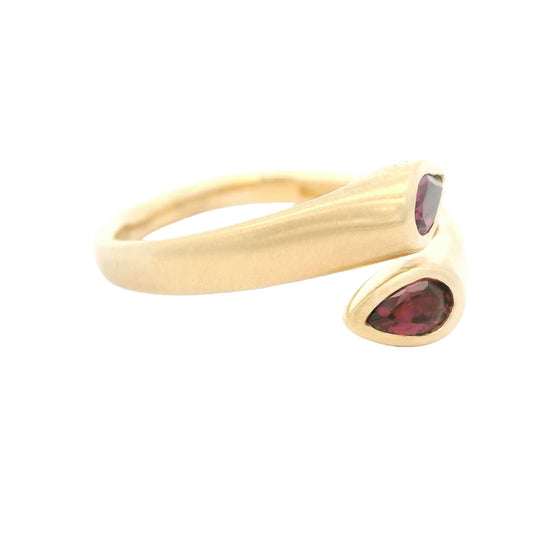
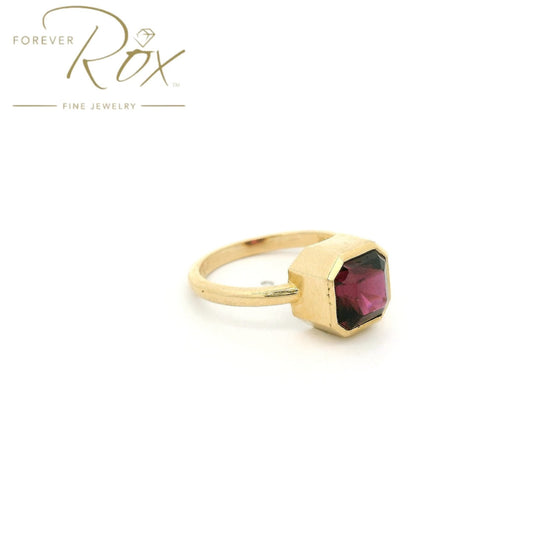
Traditional red garnets tend to be darker and more subdued, particularly in almandine material. In contrast, rhodolite introduces a brighter, more balanced tone, blending red with purple in a way that maintains vibrancy without becoming overly dark.
Spessartine garnet shifts entirely into the orange spectrum, often producing highly saturated stones that can rival the brightness of fine sapphires in terms of visual impact.
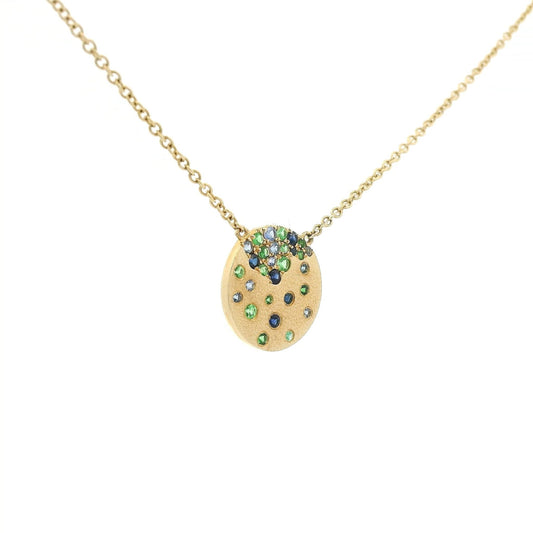
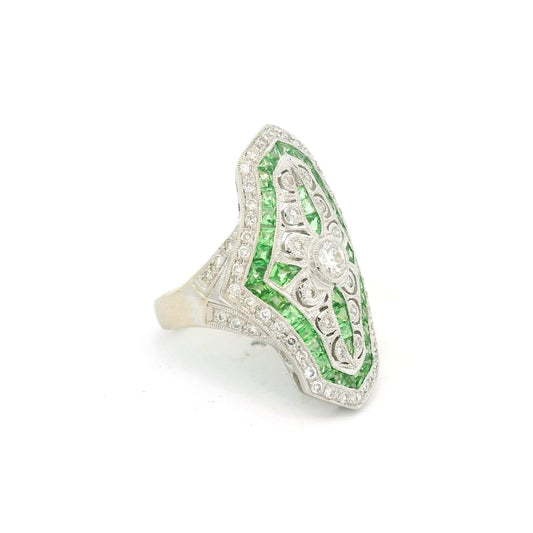
Green garnets, particularly tsavorite and demantoid, represent the highest-value end of the spectrum. These stones demonstrate how garnet can compete directly with more well-known gemstones when color and clarity align.
There are also rare color-change garnets that shift between hues under different lighting conditions, adding another layer of complexity to the group.
Tsavorite Garnet: Emerald-Level Color Without the Weakness

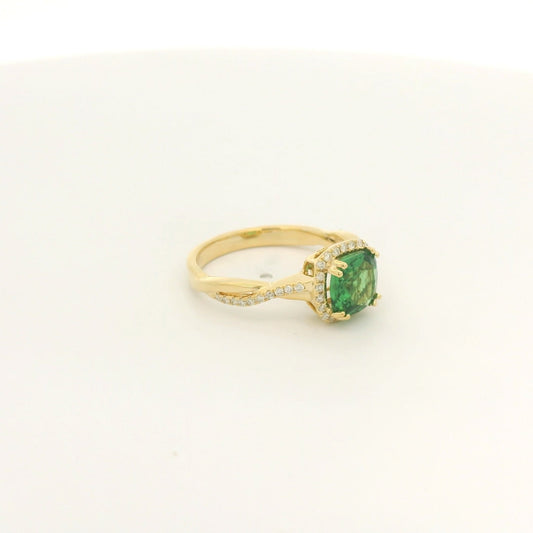
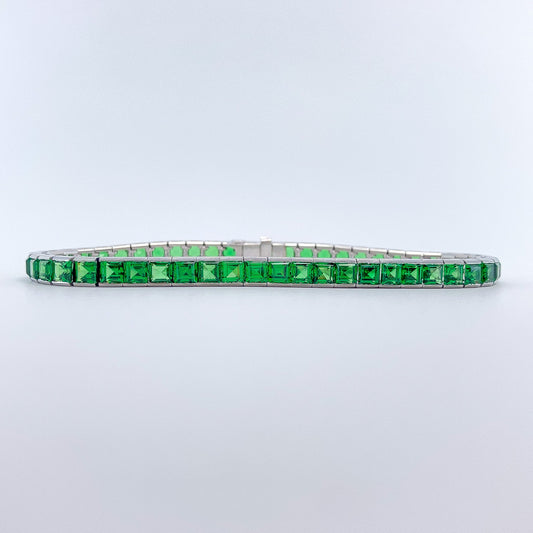
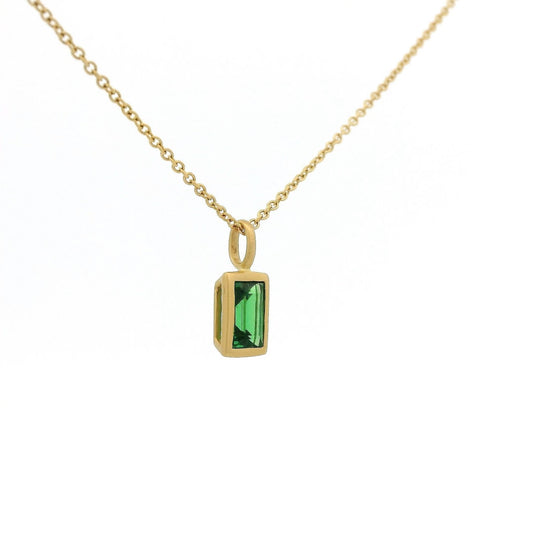
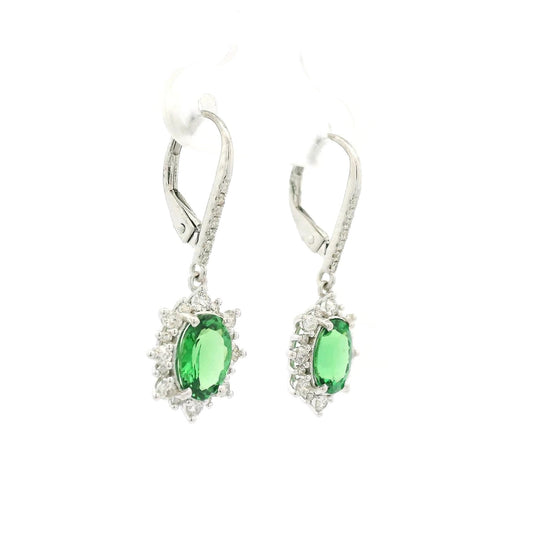
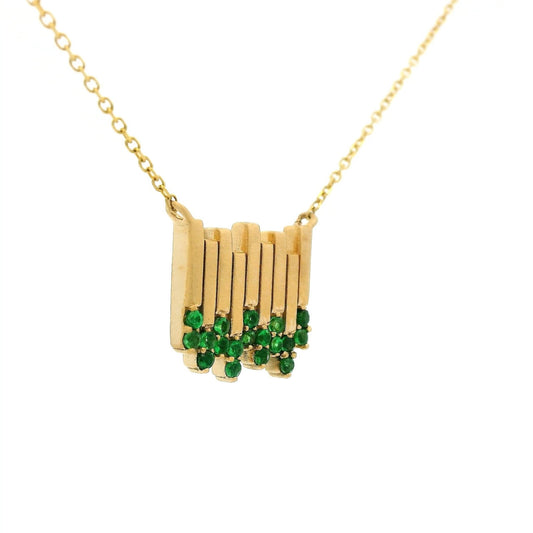
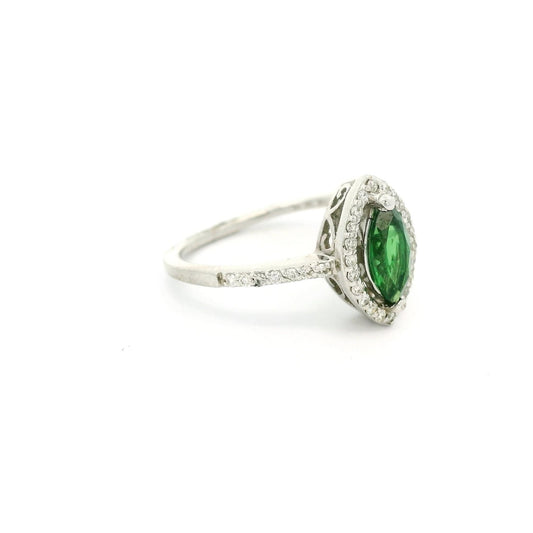
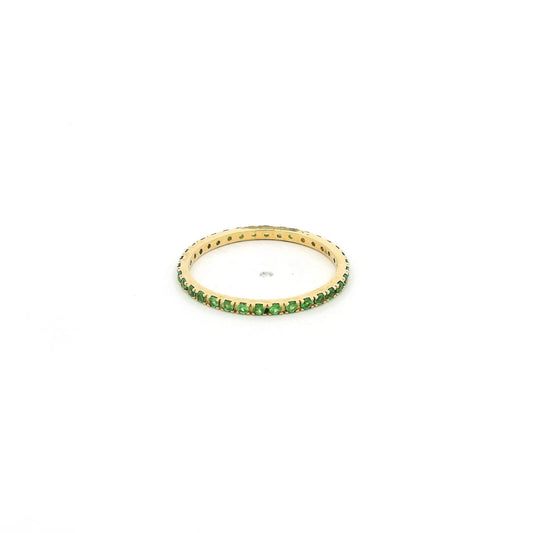
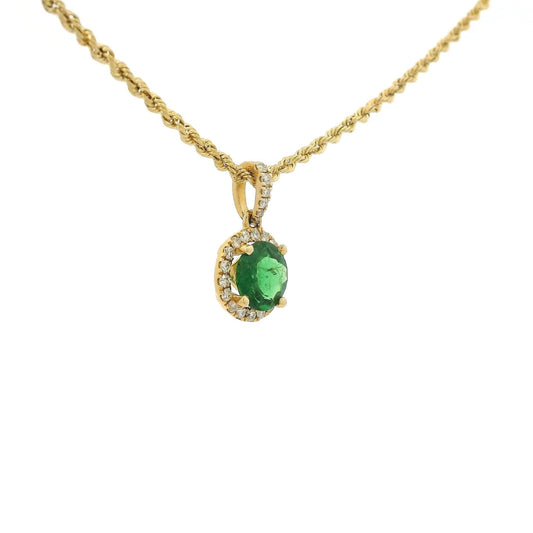
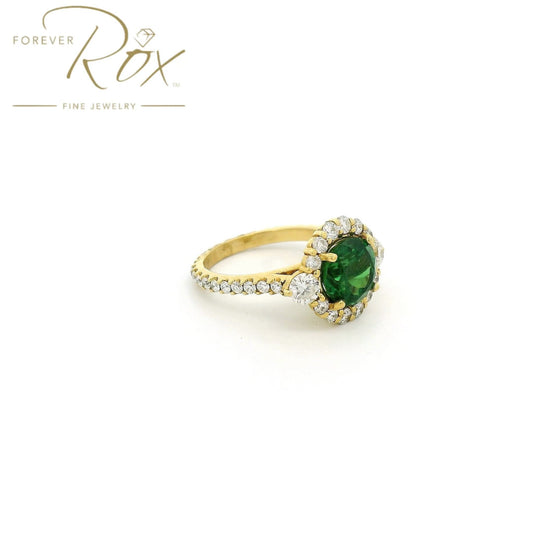
Tsavorite is the benchmark for green garnet. Found primarily in Kenya and Tanzania, it is colored by vanadium and chromium, producing a vivid green that can rival fine emerald.
Where tsavorite separates itself is in clarity and brilliance. Unlike emerald, which is typically included and softer, tsavorite is often eye-clean and allows more light to pass through the stone. This results in greater brilliance and a sharper visual appearance.
Because it is generally untreated and more durable than emerald, tsavorite offers a compelling alternative for buyers who want strong green color without the compromises often associated with emerald.
However, tsavorite is rare in larger sizes, and high-quality stones above a few carats become increasingly difficult to find.
Demantoid Garnet: The Fire and Rarity Benchmark

Demantoid garnet represents one of the most unique and collectible members of the garnet family. A variety of andradite, it is known for its exceptional dispersion—the ability to break light into spectral colors. In fine stones, this effect can exceed that of diamond, giving demantoid a level of “fire” that is rarely seen in colored gemstones.
The most famous demantoid garnets come from Russia, where stones are often associated with distinctive “horsetail” inclusions. These fine, needle-like inclusions radiate outward within the stone and are considered a hallmark of natural origin rather than a flaw. In fact, the presence of a well-defined horsetail inclusion can increase desirability, as it confirms the stone’s geographic source.
Color in demantoid typically ranges from yellowish-green to deep green, with the most valuable stones displaying a rich, saturated green without excessive yellow.
Unlike tsavorite, which is valued primarily for its color and clarity, demantoid is valued for a combination of color, dispersion, and rarity. Fine stones are uncommon, and large, high-quality examples are extremely rare, placing them firmly in the collector category.
Rhodolite Garnet: Controlled Color and Brightness

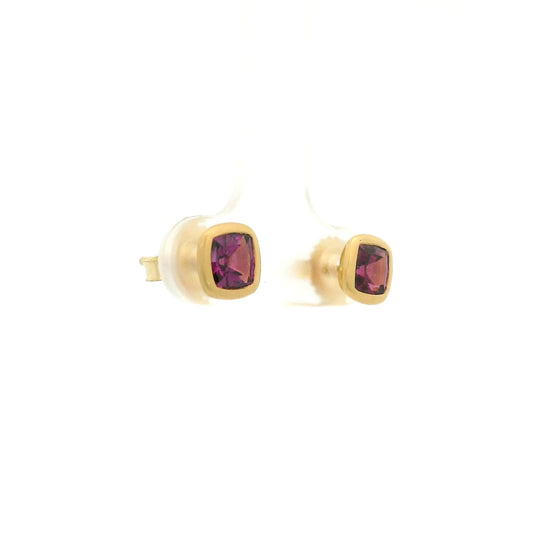
Rhodolite occupies a middle ground between pyrope and almandine garnets, producing a color that blends red and purple without becoming overly dark. The best stones display a bright raspberry tone that remains lively even in lower lighting.
This balance is what makes rhodolite particularly wearable. It offers richness without heaviness, making it a preferred option for those who want color without the depth that can sometimes make traditional garnets appear subdued.
Clarity is typically good, allowing for strong light return and a clean overall appearance.
Other Notable Garnets
Beyond the primary varieties, garnet includes several additional types that contribute to its diversity.
Spessartine garnet is known for its vivid orange color and high brilliance, particularly in stones from Namibia. Fine examples can display intense saturation without appearing dark.
Color-change garnets are among the rarest, shifting between colors depending on the lighting environment. While not as dramatic as alexandrite, they still represent a highly collectible category.
These varieties reinforce the idea that garnet is not a single gemstone but a complex group with a wide range of possibilities.
Durability and Wearability
Garnet typically ranks between 6.5 and 7.5 on the Mohs scale, making it suitable for most jewelry applications. It is durable enough for regular wear, though not as resistant to scratching as sapphire or diamond.
Compared to more delicate gemstones such as opal, garnet is relatively stable and does not require the same level of environmental care. This makes it a practical option for those seeking a balance between visual appeal and everyday wearability.
Value and Market Position
Garnet spans a wide range of value levels, from accessible red stones to rare collector-grade material.
Tsavorite and demantoid represent the upper end of the market, driven by color, rarity, and overall performance. Rhodolite sits in a middle position, offering strong visual appeal at a more accessible level.
Because most garnets are untreated, value is closely tied to natural quality. Stones with strong color, good clarity, and proper cutting stand out immediately.
Garnet Jewelry at Forever Rox Fine Jewelry
At Forever Rox Fine Jewelry, we focus on garnets that demonstrate strong color, clarity, and balance. From vivid tsavorite to rare demantoid, each stone is selected for how it performs in natural light and how it translates into wearable, high-end design.