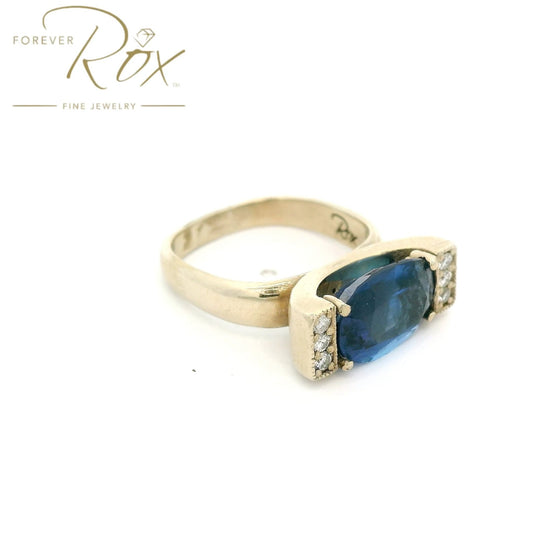
Introduction to Tanzanite
Tanzanite is one of the most extraordinary gemstone discoveries of the modern era, not simply because of its color, but because of its limitation. Found exclusively in a single region at the foothills of Mount Kilimanjaro, it exists in a geological setting that has never been replicated anywhere else in the world.
This singular origin immediately separates tanzanite from nearly every other major gemstone. While diamonds, sapphires, and emeralds are mined across multiple continents, tanzanite is confined to a narrow stretch of land only a few kilometers long. That limitation is not theoretical — it is absolute. There are no secondary sources, no alternative deposits, and no indication that any will ever be discovered.
Since its discovery in 1967, tanzanite has developed a reputation not only for its striking blue-violet appearance, but for its status as a finite gemstone. It is one of the few stones where supply is not just limited, but clearly defined.
Formation and Geological Uniqueness

Tanzanite is a variety of zoisite, formed under a highly specific combination of heat, pressure, and chemical conditions involving vanadium. What makes this formation remarkable is not just the chemistry, but the location in which it occurred.
The Merelani Hills deposit in northern Tanzania represents a unique geological event. The alignment of tectonic activity, mineral presence, and environmental conditions created a zone where zoisite could develop into gem-quality tanzanite. Outside of this region, those same conditions simply do not exist.
The result is a gemstone that is not only rare in quantity, but rare in origin. It is not a stone that is scarce because it is difficult to find — it is scarce because it only exists in one place.
Mining Reality: Closures, Reopening, and Price Volatility
The tanzanite market is directly tied to the realities of mining in Tanzania, and unlike more stable gemstone industries, supply is not consistent.
Mining operations in the Merelani Hills have experienced repeated cycles of shutdowns, regulation changes, and controlled reopenings. These interruptions can be caused by government policy, safety restructuring, or efforts to centralize control over the mining sector.
When mining activity slows or stops, the effect on the market is immediate. Availability tightens, and prices begin to rise, particularly for higher-quality material. Dealers and collectors often hold inventory during these periods, anticipating further scarcity.
When operations resume, there may be a temporary increase in supply, but this does not fundamentally change the long-term trajectory. The deposit is finite, and each year the material becomes more difficult to extract. Mining is moving deeper underground, increasing both cost and risk.
Because of this, tanzanite pricing does not behave like mass-market gemstones. It is influenced not only by quality, but by access, production, and the realities of a single-source supply chain.

Color and Pleochroism: What Separates Fine Tanzanite
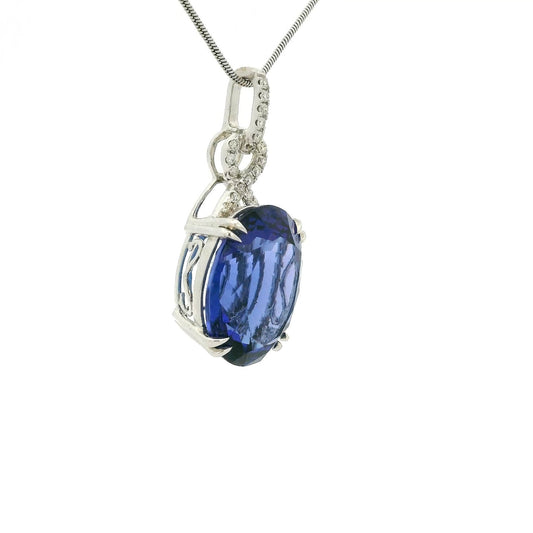
The defining optical property of tanzanite is its trichroism, meaning it can display three distinct colors depending on viewing angle. This is not a subtle effect — in fine stones, it is clearly visible and contributes significantly to the gem’s overall character.
At its highest quality, tanzanite presents a dominant blue face-up color, supported by a rich violet undertone and, in certain orientations, subtle flashes of red or burgundy. This interplay of color gives the stone depth and movement, making it visually dynamic in a way that more uniform gemstones are not.
The presence of red and violet alongside blue is not simply an interesting feature — it is part of what defines top-tier material. Stones that lean too heavily toward purple or appear overly light in tone tend to fall lower on the quality scale.
Cutting plays a critical role in how these colors are presented. A well-cut tanzanite will emphasize blue while maintaining the secondary hues that give the stone its complexity. Poor orientation can result in a stone that appears flat or overly violet, diminishing its value.
Heat Treatment and Industry Standards
Tanzanite is often found with relatively high clarity, especially when compared to gemstones like emerald. Eye-clean stones are common in fine material, which allows color to take center stage.
The relationship between size and color is particularly important. As tanzanite increases in size, its color typically becomes more saturated. This can enhance value, but only if the stone retains sufficient brightness. Stones that become too dark lose brilliance and visual appeal.
Cut quality is essential in balancing this relationship. Proper proportions allow light to move through the stone, preserving both color and life.
Durability and Wearability
Tanzanite ranks between 6 and 6.5 on the Mohs hardness scale, making it softer than sapphire and significantly softer than diamond. This does not make it unsuitable for jewelry, but it does require a more considered approach to wear.
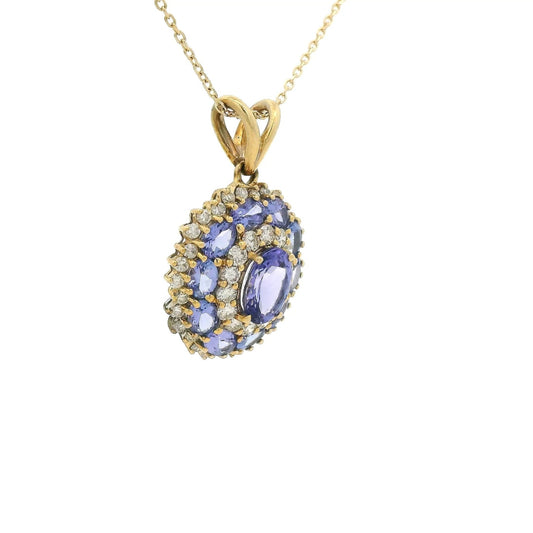
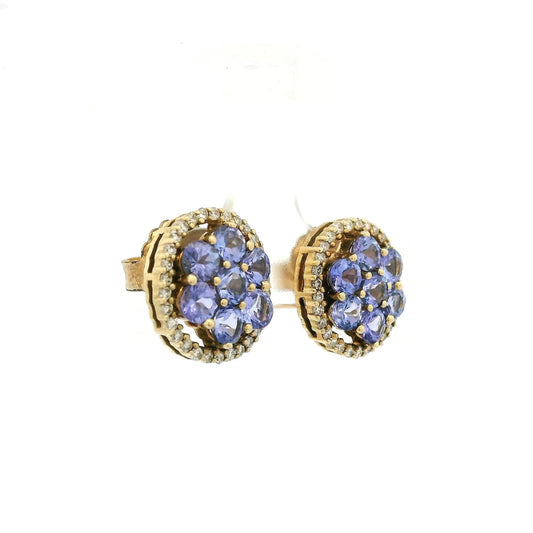
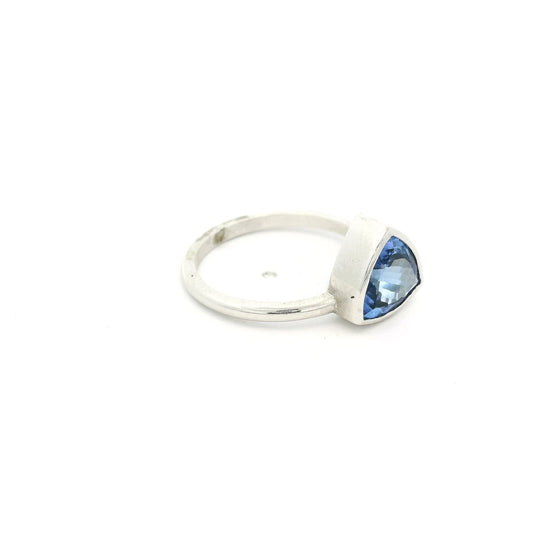
Pieces such as earrings and pendants offer a lower-risk setting for the stone, while rings should be worn with an awareness of potential impact. Proper care and storage are essential to maintaining its condition over time.
Rarity, Supply, and Long-Term Value
Tanzanite occupies a rare position in the gemstone market where both geological limitation and market demand align.
Its single-source origin ensures that supply cannot expand, while ongoing mining challenges continue to restrict availability. As deposits become more difficult to access, the cost of extraction increases, and high-quality material becomes progressively harder to find.
The most valuable stones are those that combine strong blue-violet color, excellent clarity, and larger size. These represent the upper tier of the market and are the most sensitive to shifts in supply.
While tanzanite is often purchased for its beauty, its rarity and finite nature contribute to its long-term significance within the gemstone world.
Tanzanite Jewelry at Forever Rox Fine Jewelry
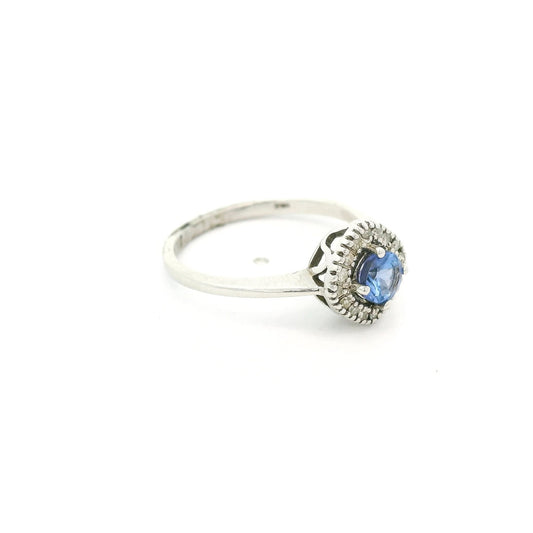
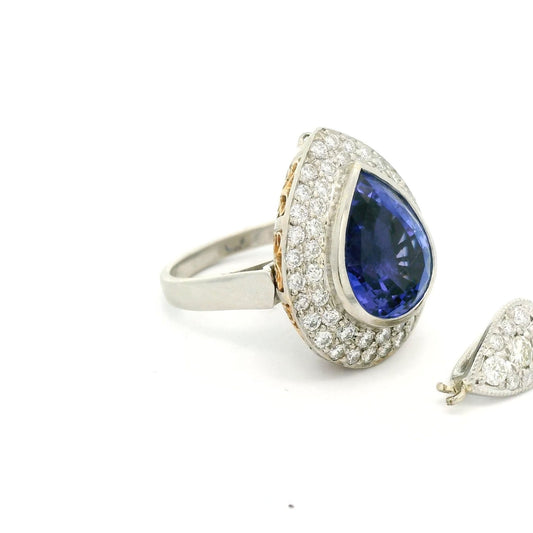
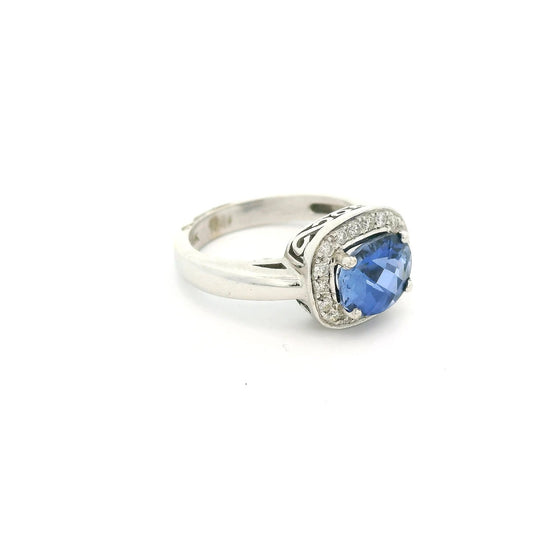
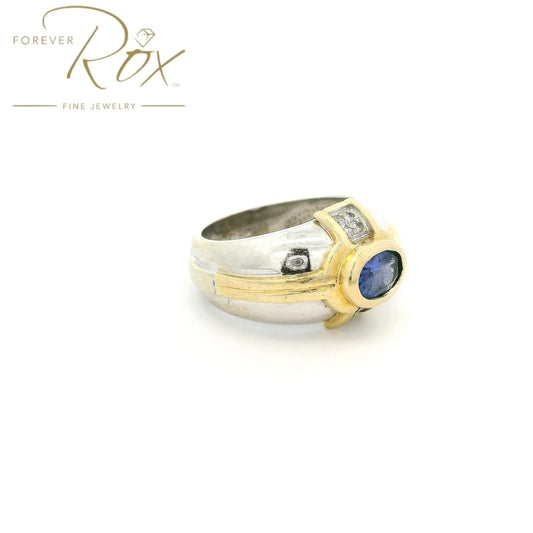
At Forever Rox Fine Jewelry, we focus on selecting tanzanite that demonstrates depth of color, balance, and presence. Each stone is evaluated based on how it performs in natural lighting, ensuring it maintains its character beyond the display case.