Introduction to Topaz
Topaz is one of the most versatile and widely recognized gemstones, known for its broad range of colors, high clarity, and strong brilliance. Despite its availability in the market, topaz is often misunderstood, particularly when it comes to the differences between natural and treated stones.
As a mineral, topaz is composed of aluminum silicate with fluorine and hydroxyl, giving it a distinct crystal structure and physical properties that set it apart from other gemstones. While blue topaz is the most commonly seen variety, the rarest and most valuable forms of topaz exist in warm tones such as golden orange and pink, known as Imperial topaz.
Understanding topaz requires looking beyond color alone and examining how treatment, origin, and natural rarity influence value.
Formation and Crystal Structure

Topaz forms in igneous environments, particularly within pegmatites and rhyolitic cavities, where mineral-rich fluids allow crystals to grow over time. It develops in an orthorhombic crystal system, often producing elongated, well-formed prismatic crystals with flat terminations.
These growth conditions contribute to the gemstone’s high clarity, as crystals are able to form with relatively few internal disruptions. As a result, topaz is frequently found in large sizes and with excellent transparency.
Color: Understanding Natural vs Treated Topaz

Topaz occurs in a wide range of colors, but the origin of that color is critical in determining value.
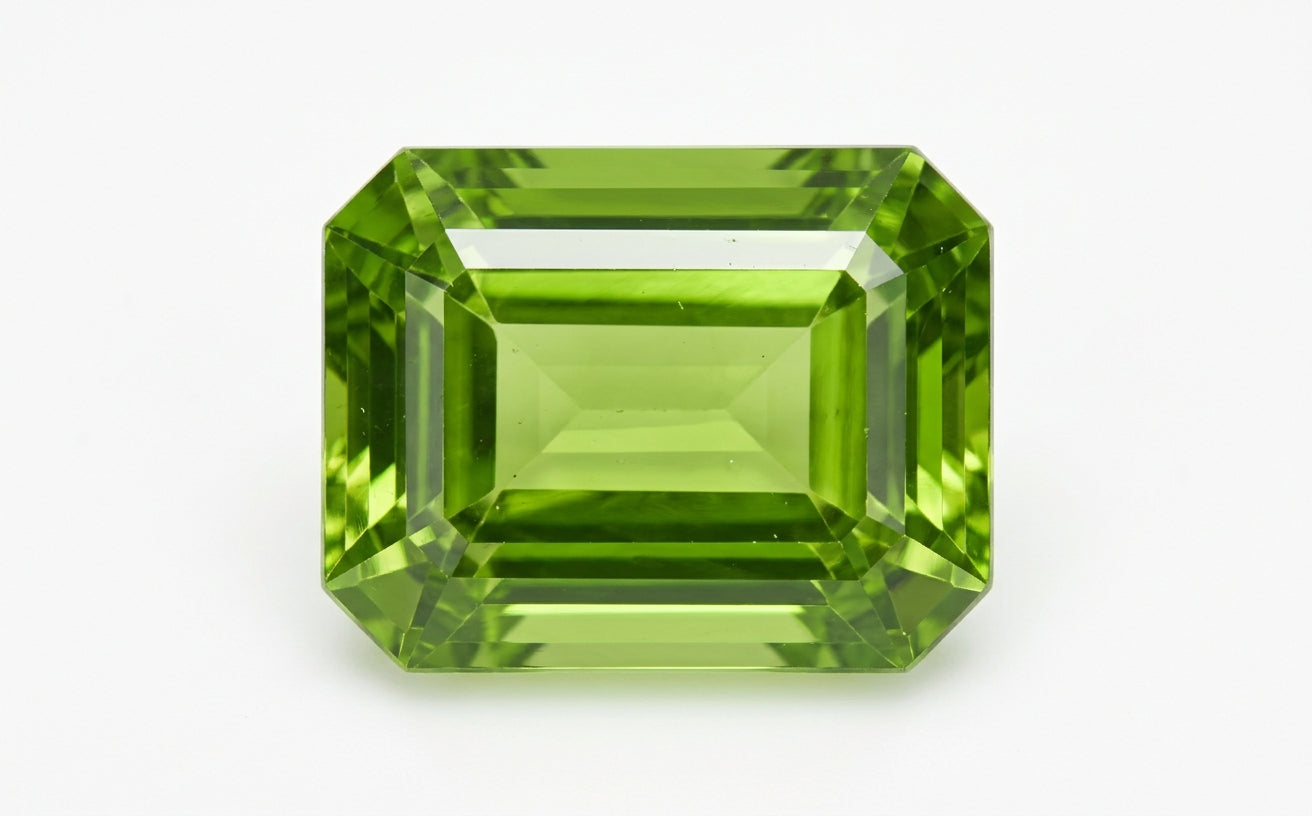
In its natural state, topaz is most commonly colorless or found in warm tones such as yellow, golden, orange, and brown. Pink and red tones are significantly rarer and often associated with higher-value material.
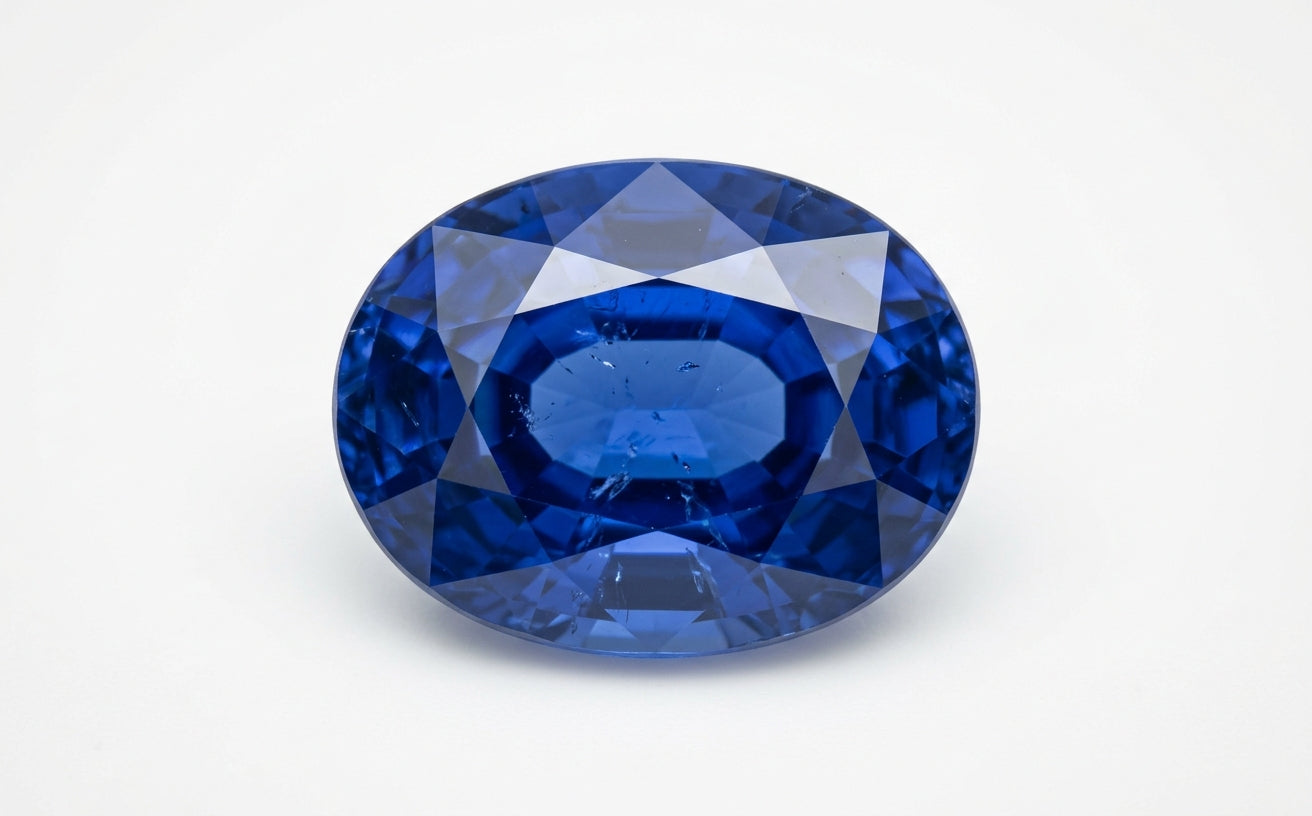
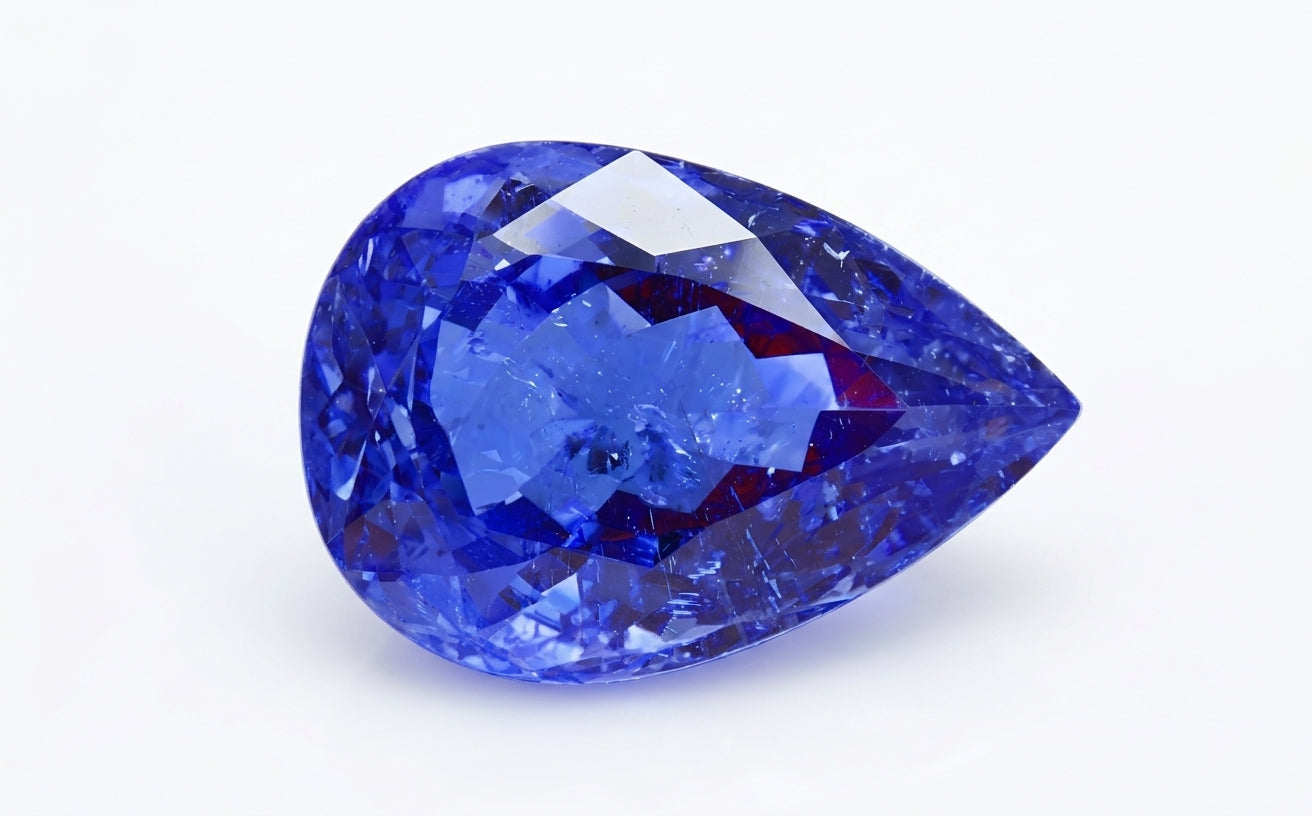
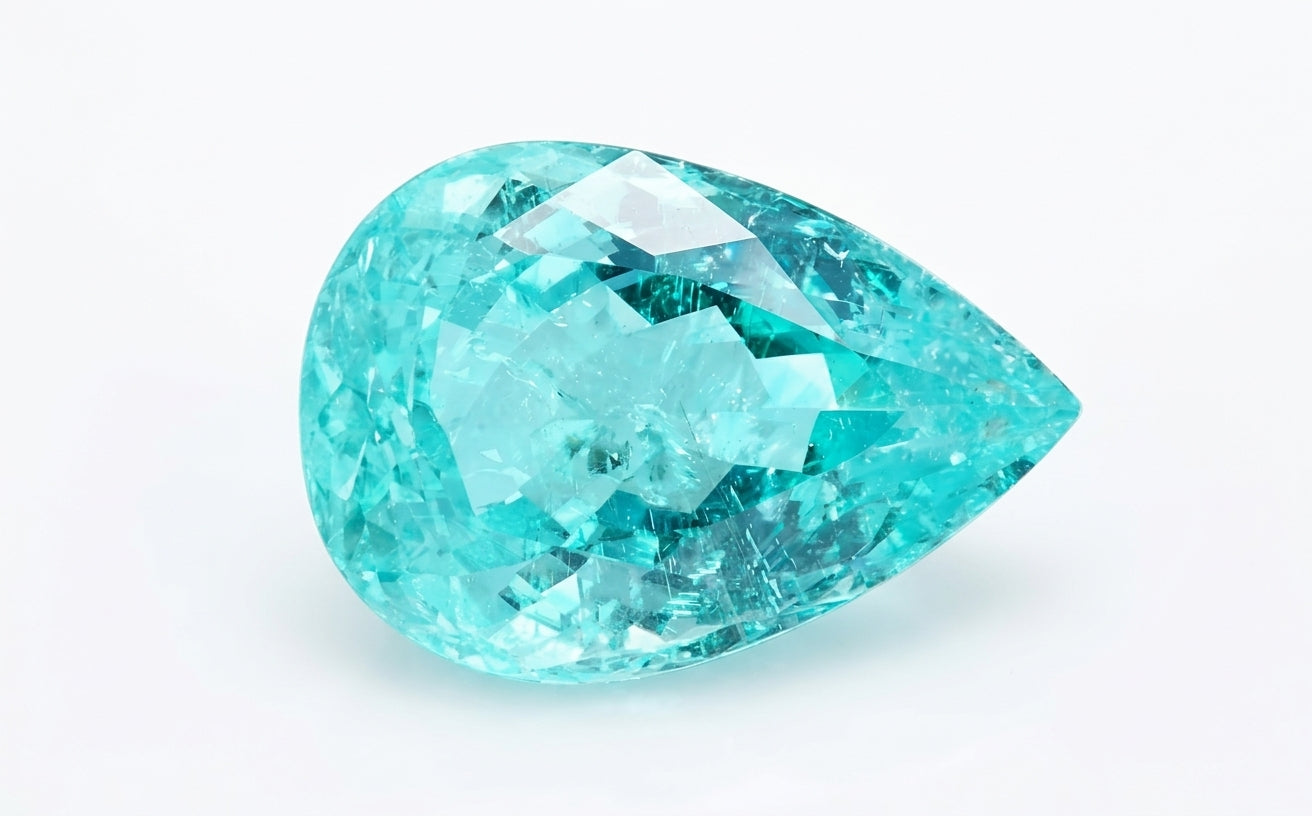
Blue topaz, while extremely popular, is almost always treated. Natural blue topaz does exist, but it is typically very pale and lacks the saturation seen in commercial stones.
Because of this, the market for topaz is divided into two distinct categories: naturally colored stones, which are rarer and more valuable, and treated stones, which are widely available and more affordable.
Blue Topaz: Treatment and Color Variations
The majority of blue topaz on the market is produced by treating colorless topaz through irradiation followed by heat. This process alters the crystal structure to create stable and vibrant blue tones.
Three primary color variations dominate the market, each with a distinct appearance and level of saturation.
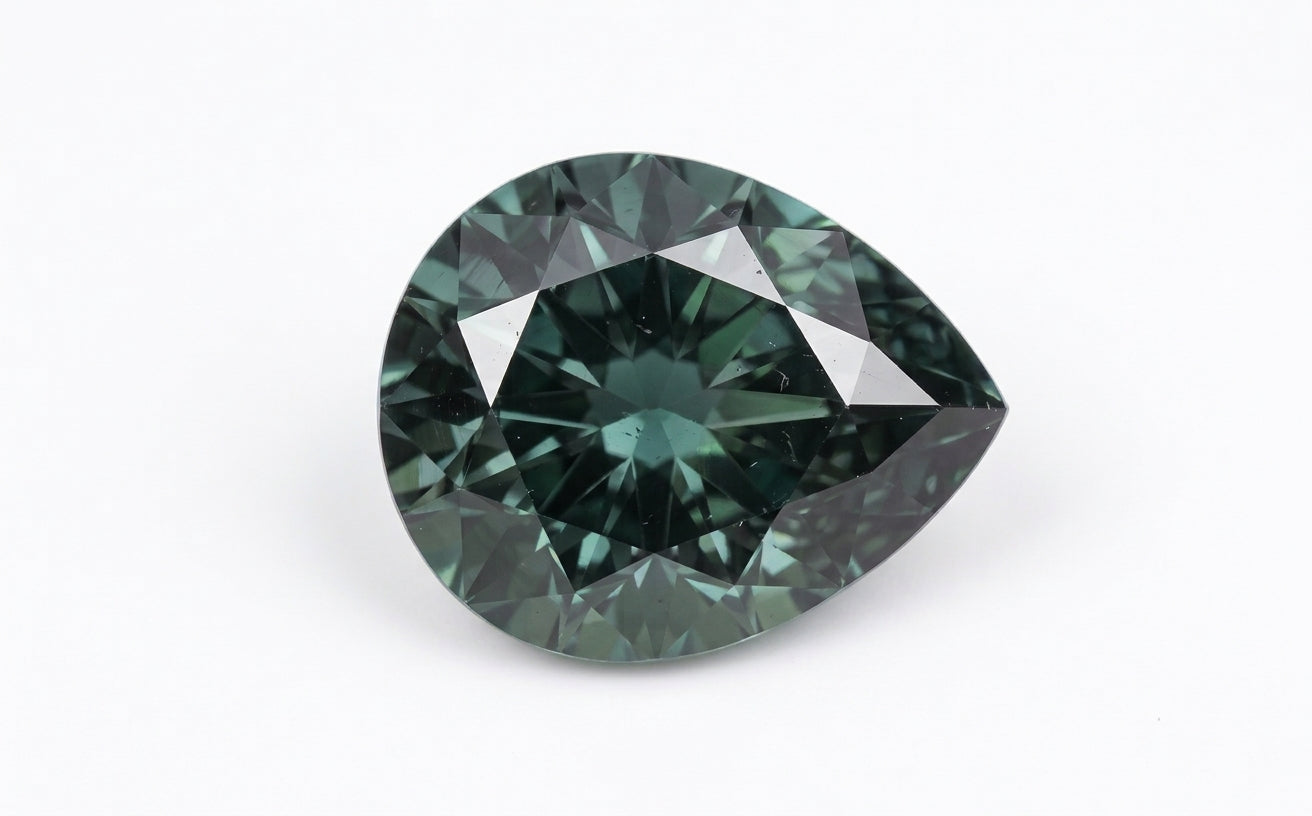
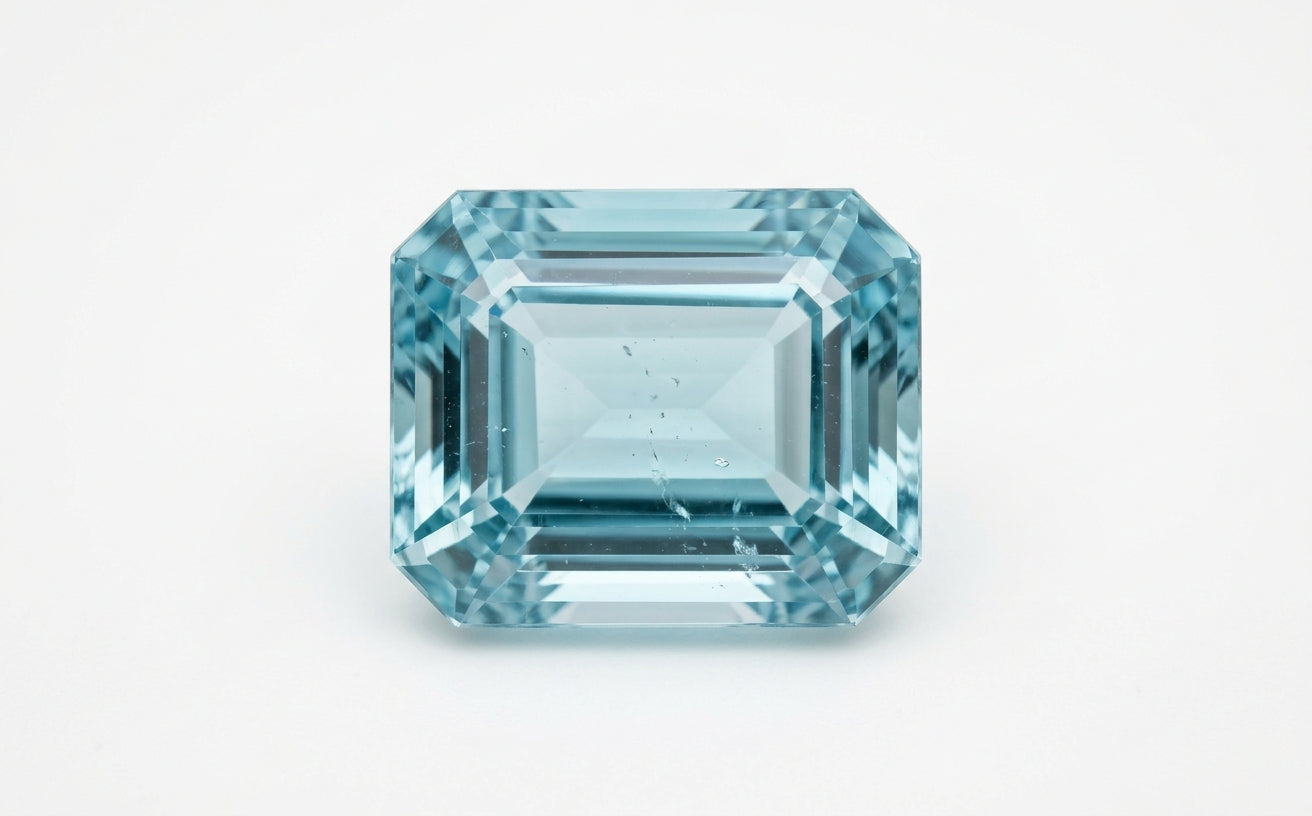
Sky blue topaz represents the lightest variety, with a soft, pale blue tone that closely resembles natural aquamarine. Swiss blue topaz is more vivid, offering a brighter and more saturated blue that is immediately noticeable. London blue topaz is the deepest and most refined, displaying a darker, slightly muted blue often with subtle gray or teal undertones.
While these stones are attractive and widely used in jewelry, their abundance means they are positioned at a lower price point compared to natural-color topaz.
Imperial Topaz: The Most Valuable Variety
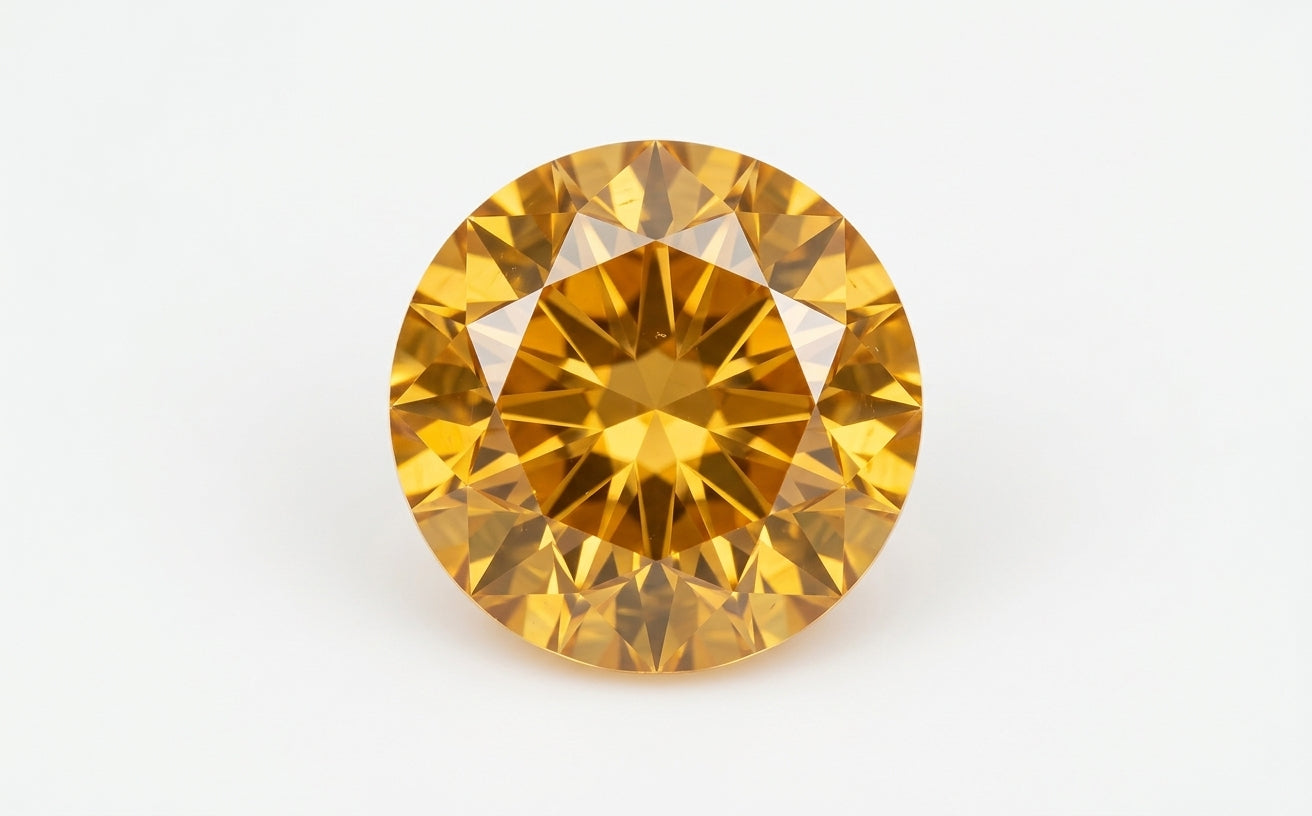
Imperial topaz represents the highest tier of topaz in both rarity and value. It is defined by its warm color range, typically displaying golden orange, peach, and pinkish hues.
The finest material originates from Brazil, particularly the region of Ouro Preto, which has historically produced the most sought-after stones. These topaz crystals often exhibit strong saturation combined with excellent clarity, creating a gemstone with both depth and brilliance.
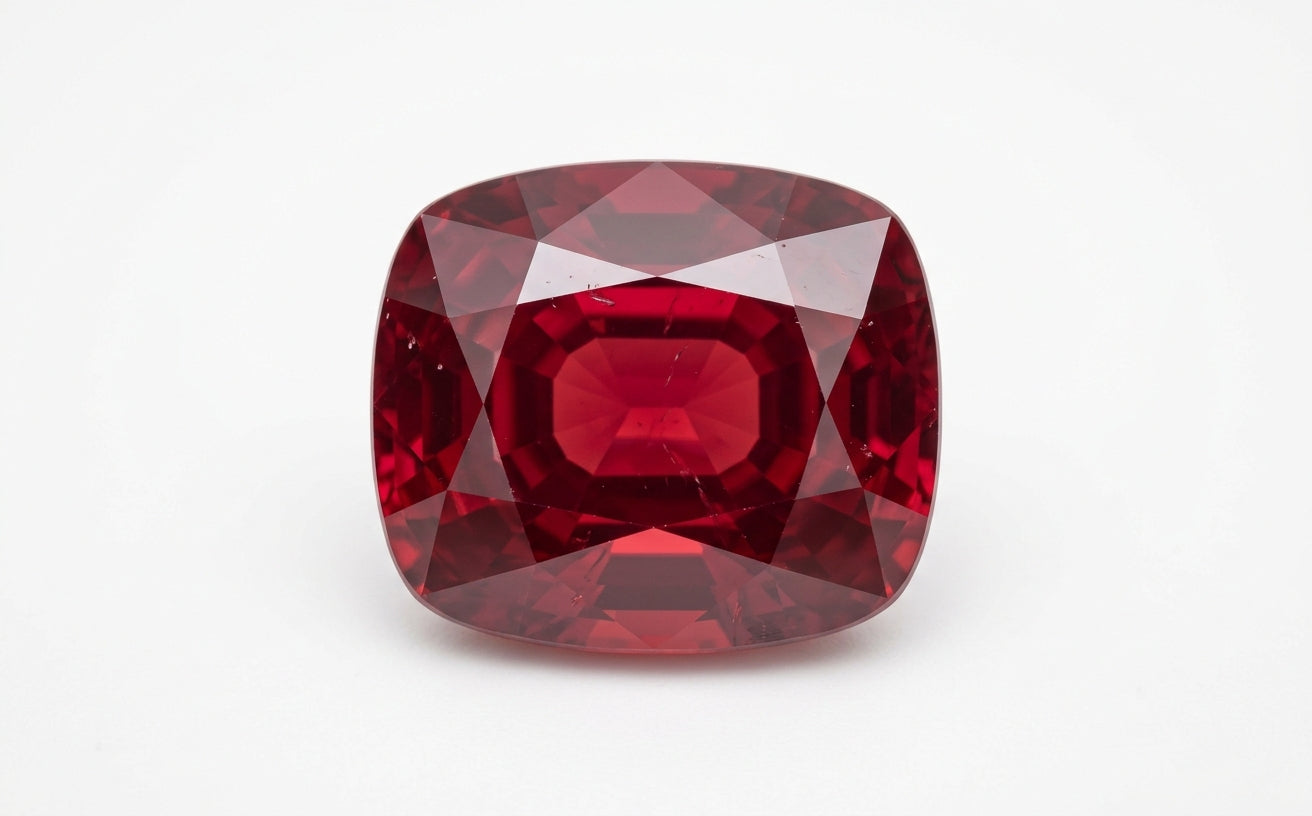
Stones that display a distinct pink or reddish component are especially rare and command significant premiums. Unlike blue topaz, Imperial topaz is generally valued for its natural color, making untreated stones particularly desirable.
Other Natural Topaz Colors
In addition to Imperial and blue varieties, topaz occurs in several other natural colors.
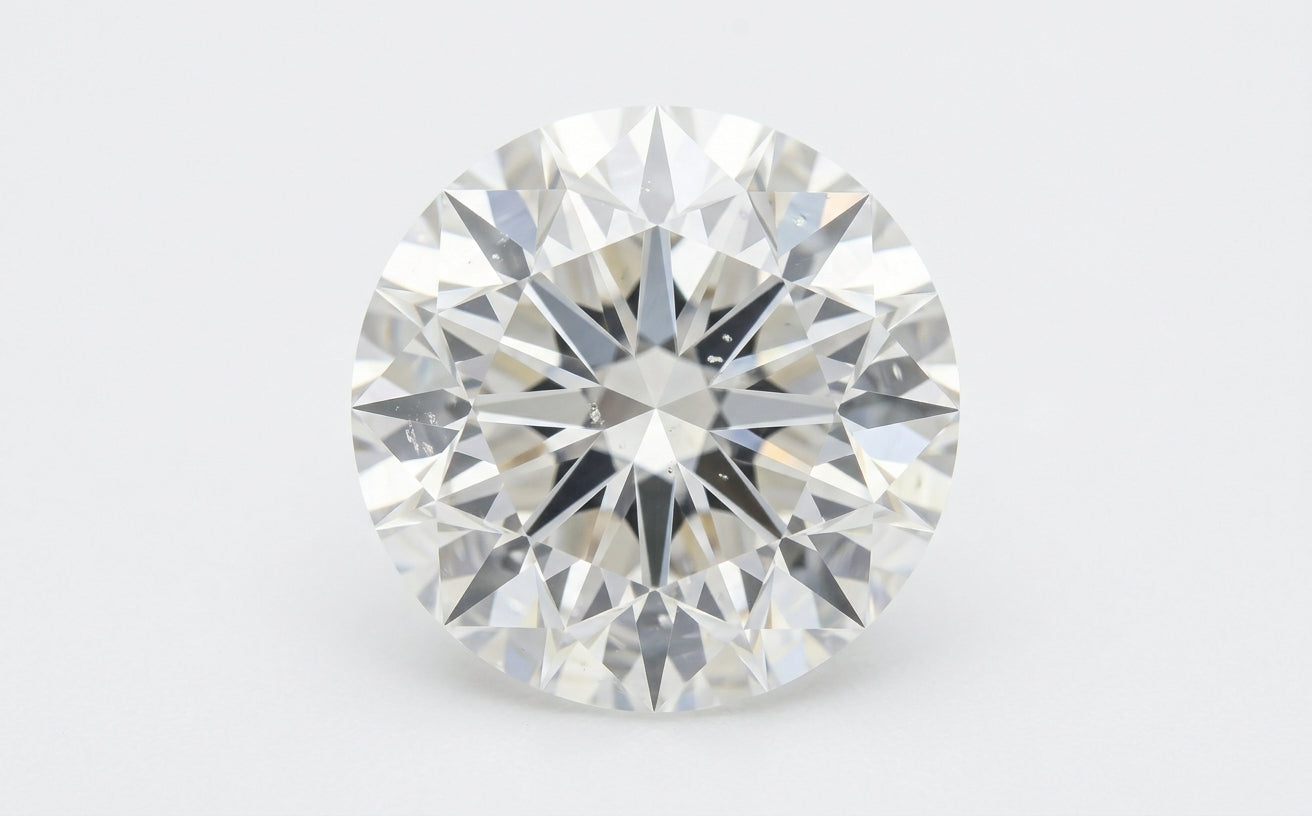
Colorless topaz, often referred to as white topaz, is the most abundant and is sometimes used as a diamond alternative due to its clarity and brilliance. Yellow and golden topaz are more common than Imperial but still valued for their warm tones.
Natural pink topaz is considerably rarer and often confused with treated material. Its value depends heavily on whether the color is natural and how strong that color appears within the stone.
Clarity and Cut
Topaz is typically very clean, often appearing free of visible inclusions. Because of this, clarity is less of a limiting factor and more of an expected characteristic.
Cut plays a larger role in how the stone presents. Step cuts such as emerald cuts emphasize clarity and create a refined, mirror-like appearance, while brilliant cuts increase sparkle and light return.
Because rough topaz is often available in larger sizes, cutters are able to achieve well-proportioned stones that balance both size and visual performance.
Durability and Wearability
Topaz has a hardness of 8 on the Mohs scale, making it suitable for most types of jewelry. However, its perfect cleavage means it can split if struck sharply.
For this reason, while topaz is durable enough for everyday wear, it should be worn with care, particularly in rings that are more exposed to impact.

Rarity and Value
The value of topaz varies significantly depending on color and whether that color is natural.
Blue topaz is widely available and relatively affordable due to treatment. In contrast, Imperial topaz and natural pink topaz are much rarer and command higher prices.
As with most gemstones, the highest-value stones combine strong color, excellent clarity, and desirable size.
Topaz Jewelry at Forever Rox Fine Jewelry
At Forever Rox Fine Jewelry, we focus on selecting topaz that demonstrates strong color, clarity, and overall balance. Each stone is chosen for its real-world appearance, ensuring it performs beautifully in both natural and indoor lighting.