Introduction to Alexandrite
Alexandrite is one of the rarest and most technically fascinating gemstones in existence. It is not simply a “color-changing stone”—it is a gemstone defined by how precisely and dramatically it interacts with light
At its highest level, alexandrite shows a distinct transformation: green to bluish-green in daylight and red to purplish-red under incandescent light. This is not a subtle shift. In fine stones, the change is immediate, complete, and unmistakable.
What makes alexandrite exceptional is that it requires multiple rare conditions to occur at the same time. The chemistry must be correct, the crystal must form cleanly, the color must be strong in both lighting environments, and the cut must preserve that performance. If any one of those factors is off, the stone drops dramatically in quality.
This is why fine alexandrite is not just rare—it is structurally difficult to form.

The Science Behind the Color Change
The color change in alexandrite is caused by chromium replacing aluminum within the chrysoberyl crystal structure. This substitution is extremely rare, and it creates a very specific optical behavior.
Chromium absorbs light in a narrow portion of the visible spectrum, meaning alexandrite effectively filters light differently depending on the light source. Daylight contains a balanced spectrum with strong blue and green wavelengths, allowing the stone to appear green. Incandescent light is rich in red wavelengths, shifting the visible color toward red.
The key detail is that alexandrite does not “change color” in a simple sense. It is revealing different parts of its optical response depending on the environment.
This is also why two alexandrites can behave completely differently. The exact balance of chromium and trace elements determines how clean and strong that shift will be.
Color Quality: Evaluating Two Stones in One
Evaluating alexandrite is fundamentally different from evaluating almost any other gemstone because you are judging two colors and the transition between them.
Fine alexandrite shows three critical characteristics:
- A strong green to bluish-green in daylight that is clean and saturated, not gray or muddy
- A clear red to purplish-red under incandescent light, without brown or dull undertones
- A distinct and noticeable shift between the two, not a weak or partial change

Stones that fail usually do so in predictable ways. Many show a weak green that leans
toward gray, or a red that appears brownish. Others display only a slight shift, which significantly reduces value.
The most valuable stones achieve what is often referred to as a complete color change, where the two appearances feel like entirely different gemstones.
Pleochroism and Viewing Direction
Alexandrite is strongly pleochroic, meaning it can show different colors depending on the viewing direction. This adds another layer of complexity beyond the standard color change.
In rough form, the crystal may display multiple color directions simultaneously, including green, yellowish-green, and reddish tones. The cutter must decide how to orient the stone to maximize the most desirable outcome.
A poorly oriented stone may weaken the color change or dilute one of the colors. A well-oriented stone aligns the dominant optical axis to enhance both the green and red phases as much as possibl
This is one of the reasons fine alexandrite is so rare—even good rough material can be ruined by poor cutting decisions.
Clarity and Cut
Alexandrite typically forms with inclusions, so completely eye-clean stones are rare, especially in larger sizes. Minor inclusions are expected and accepted, as long as they do not interfere with the stone’s color or transparency.
Cut plays a critical role in how the color change is perceived. A poorly cut stone may dilute the effect, making the transition appear weaker or uneven. A well-cut alexandrite enhances both colors and allows the shift to occur more cleanly across the entire surface.
Because of its rarity, many stones are cut to preserve weight rather than optimize performance. This makes well-cut alexandrite significantly more valuable.
Origins and Rarity
Original alexandrite was discovered in the Ural Mountains of Russia, and these stones are still considered the benchmark for quality. Russian material is extremely rare today and highly sought after.
Modern sources include Brazil, Sri Lanka, and East Africa. Brazilian stones are known for producing strong color change, while Sri Lankan material often appears lighter but can still be attractive.
Regardless of origin, fine alexandrite is scarce. Stones over one carat with strong color change are exceptionally rare, which is a major factor in their value.
Value: Why Alexandrite Is So Expensive
Original alexandrite was discovered in the Ural Mountains of Russia, and these stones are still considered the benchmark for quality. Russian material is extremely rare today and highly sought after.
Modern sources include Brazil, Sri Lanka, and East Africa. Brazilian stones are known for producing strong color change, while Sri Lankan material often appears lighter but can still be attractive.
Regardless of origin, fine alexandrite is scarce. Stones over one carat with strong color change are exceptionally rare, which is a major factor in their value.
Natural vs Lab-Created Alexandrite
Lab-created alexandrite is widely available and often displays strong color change, sometimes even more dramatic than natural stones. However, these stones are typically very clean and lack the internal characteristics of natural material.
The key difference is origin. Natural alexandrite is rare because of geological conditions. Lab-created stones replicate the chemistry but not the rarity.
For buyers, understanding this distinction is critical, especially in a market where both are present.
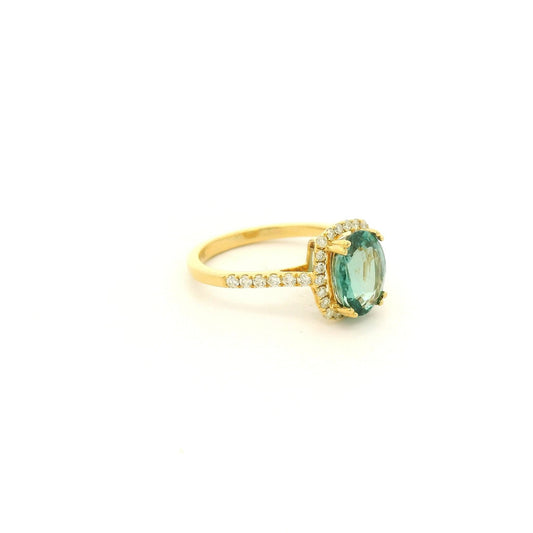
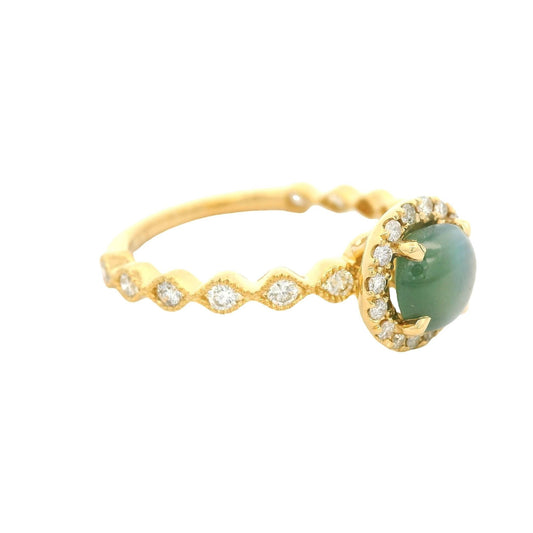
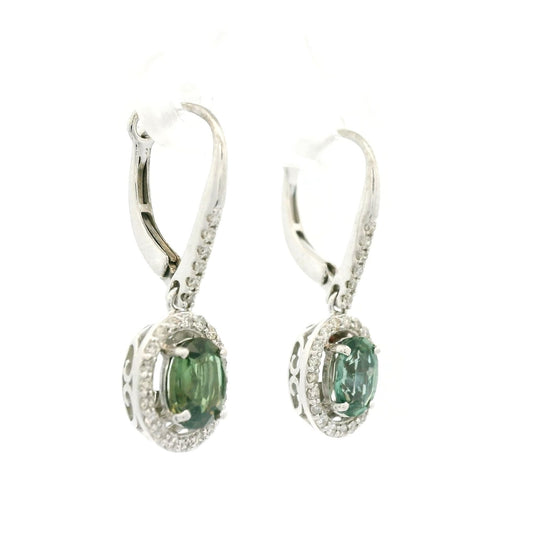
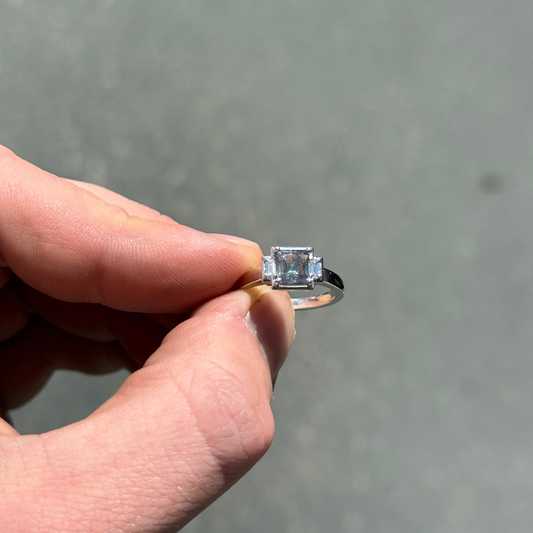
Alexandrite Jewelry at Forever Rox Fine Jewelry
At Forever Rox Fine Jewelry, we focus on sourcing alexandrite that actually demonstrates what makes the gemstone special. A subtle shift is not enough—true alexandrite should clearly transform between lighting conditions, creating a piece that feels dynamic and alive.