Introduction to Amethyst
Amethyst is one of the most widely recognized gemstones in the world, but that familiarity has worked against it. Because it is common, it is often treated as simple. In reality, fine amethyst has very specific characteristics that separate average material from stones that actually deserve attention.
At its best, amethyst is not just purple—it is a controlled balance of tone, saturation, and internal light performance. The difference between a $20 stone and a high-end piece is not subtle when you know what to look for.
Unlike gemstones such as sapphire or garnet, where color is driven by elemental composition within a single species, amethyst’s color is tied to iron impurities and natural irradiation within quartz. That process creates variability—both an advantage and a problem depending on how the material is cut and selected.
Formation: Why Amethyst Looks the Way It Does

Amethyst forms in geodes—hollow cavities within volcanic rock where silica-rich fluids slowly crystallize over time. Instead of forming a single solid crystal, amethyst often develops as clusters of points growing inward from the cavity walls.
This formation process is the reason amethyst almost always shows color zoning. You’re not looking at a perfectly uniform crystal—you’re looking at layers of growth, each with slightly different chemical conditions. That’s why you’ll often see lighter and darker areas within the same stone.
In low-quality material, this zoning is obvious and distracting. In high-quality stones, it’s controlled through cutting so the color appears even when viewed face-up. That’s not luck—that’s skill.

Color: The Defining Factor
Color is the single most important factor in determining the quality of an amethyst, but it is often misunderstood.
The finest stones are commonly referred to in the trade as having “Deep Russian” color. This does not indicate origin, but rather describes a rich, saturated purple with subtle secondary flashes of red and blue. These secondary hues give the stone depth and prevent it from appearing flat.
Most amethyst falls short in one of two ways. Stones that are too dark lose transparency and appear almost black in low lighting, while stones that are too light lack presence and appear diluted. Fine material sits in a narrow range where saturation is strong, but light can still pass through the stone effectively.
Amethyst also displays pleochroism, meaning it can show slightly different colors depending on viewing angle. A well-cut stone is oriented to emphasize the most desirable direction, allowing the purple to appear balanced and lively rather than uneven.
Green Amethyst (Prasiolite): Understanding the Difference
Green amethyst, more accurately referred to as prasiolite, occupies a unique position within the quartz family. While natural prasiolite does exist, it is extremely rare. The majority of green amethyst available on the market is produced by heat-treating natural amethyst.
This process alters the iron within the crystal structure, shifting the color from purple to a soft green. The treatment is stable and widely accepted, but it results in a completely different visual character.

Where purple amethyst is defined by depth and saturation, prasiolite is defined by clarity and subtlety. Its lighter tone allows for greater transparency, making it particularly effective in larger stones and modern designs where a clean, understated look is preferred.
It is not meant to compete with more saturated green gemstones such as tsavorite or emerald. Instead, it offers a softer alternative that fits into a different aesthetic category entirely.
Origins and Material Differences
Amethyst is found in several major locations around the world, but certain sources are known for producing more desirable material.
Uruguay is widely associated with deeply saturated amethyst, often producing smaller crystals with strong, rich color. Zambia has become an important source of high-quality stones, offering a balance of saturation and clarity that competes with the best material available.
Brazil produces the majority of amethyst on the market, particularly in large geodes. While much of this material is lighter in tone, it remains an important part of the global supply.
As with most gemstones, origin alone does not determine quality, but certain regions consistently produce better starting material.
Cutting: Where Most Amethyst Fails
Because amethyst is abundant, much of it is cut quickly and without precision. This is where a significant portion of its perceived lack of value comes from.
A poorly cut amethyst often suffers from windowing, where light passes straight through the center instead of reflecting back to the viewer. This creates a washed-out appearance that reduces the impact of even good color.
A well-cut stone, on the other hand, will control light return, minimize the visibility of zoning, and maintain consistent saturation across the entire surface. In many cases, the difference between average and exceptional amethyst comes down to cutting rather than the material itself.
Durability and Wearability
Amethyst is widely available, which keeps it accessible, but this does not mean all material is equal. Fine stones with strong, even color and proper cutting are still selectively chosen and stand apart from the rest of the market.
The key difference is not rarity alone, but execution. Color, cutting, and overall visual performance determine whether a stone feels ordinary or refined.
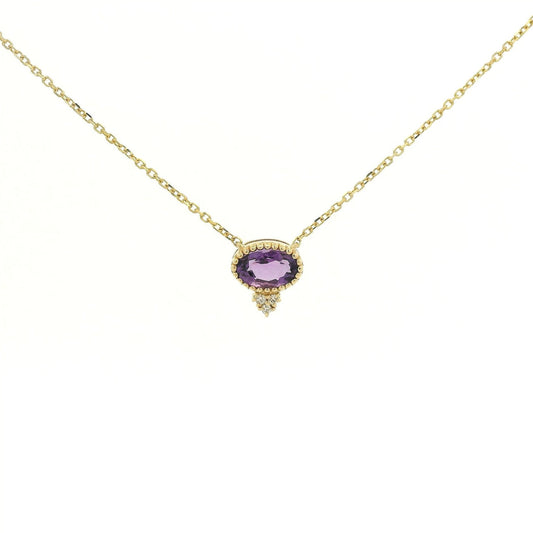
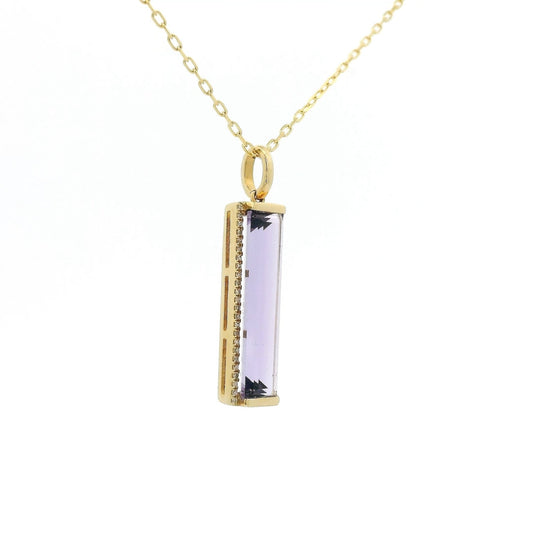
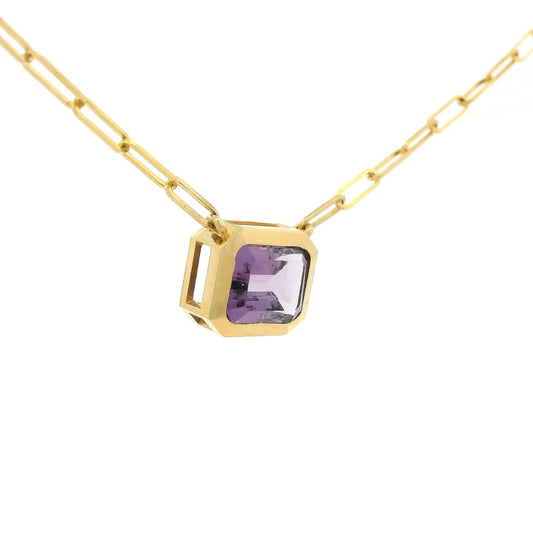
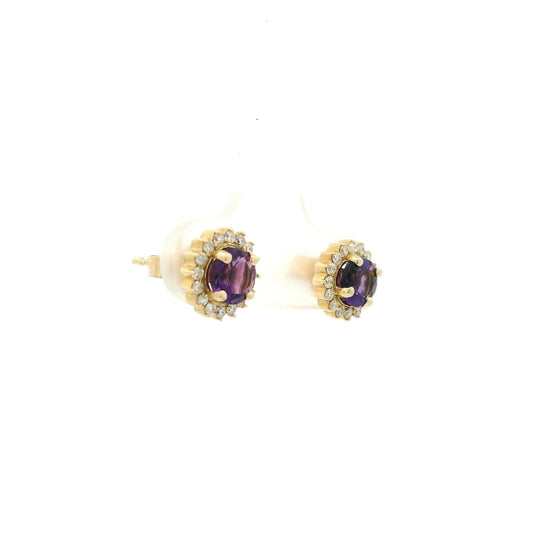
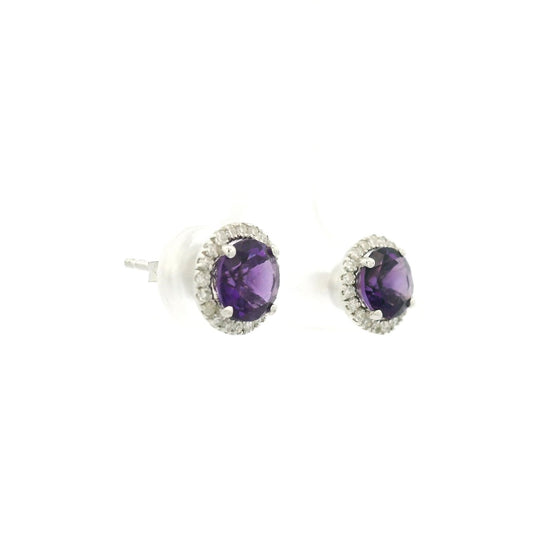
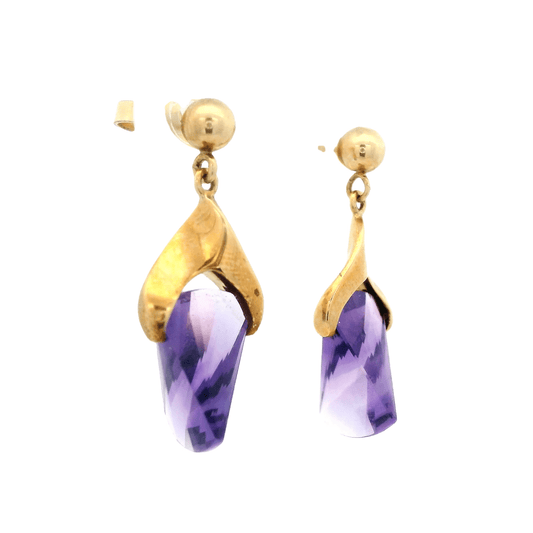
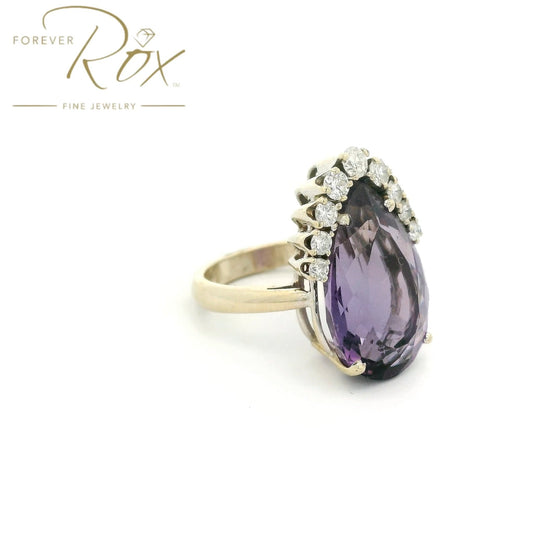
Amethyst Jewelry at Forever Rox Fine Jewelry
At Forever Rox Fine Jewelry, we focus on amethyst that demonstrates strong color, balance, and presence. Each stone is selected based on how it performs in natural light, ensuring it maintains its visual impact beyond the display case.