The Complete Aquamarine GuideColor, clarity, origin, and value
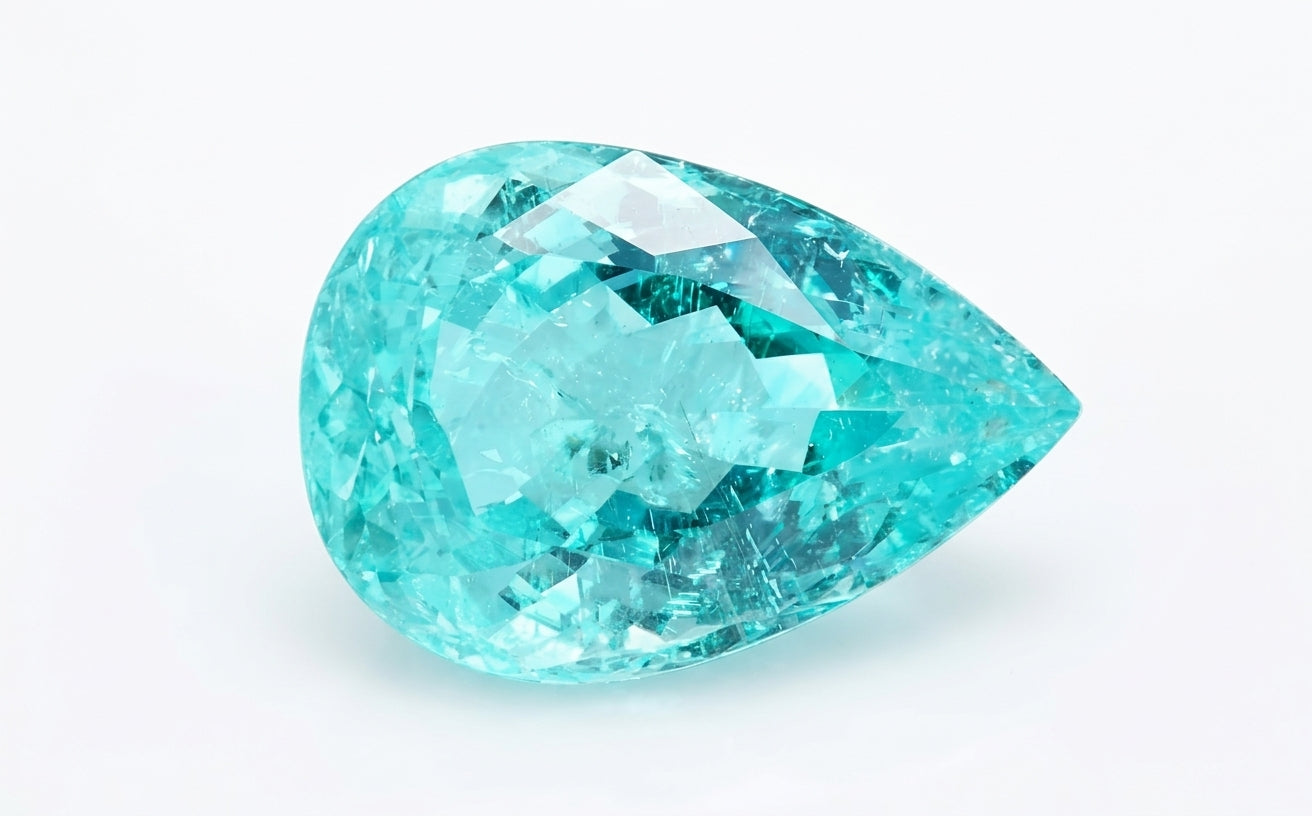
Aquamarine is one of the most recognizable members of the beryl family, prized for its clean blue color and exceptional clarity. Its name, derived from the Latin for “water of the sea,” reflects the gemstone’s signature appearance—cool, transparent, and often reminiscent of clear ocean water.
Aquamarine is valued for its clarity and light, even tone, unlike many gemstones where inclusions and color zoning are common.
Aquamarine is one of the most recognizable members of the beryl family, prized for its clean blue color and exceptional clarity. Its name, derived from the Latin for “water of the sea,” reflects the gemstone’s signature appearance—cool, transparent, and often reminiscent of clear ocean water.
Unlike many gemstones where inclusions and color zoning are common, aquamarine is valued for its clarity and light, even tone. While it is more abundant than stones such as emerald or ruby, fine aquamarine with strong color and excellent transparency remains highly sought after in fine jewelry.
Formation and mineral composition
Aquamarine is a variety of beryl, the same mineral family that includes emerald and morganite. Its chemical composition is beryllium aluminum silicate, and its blue color is caused primarily by trace amounts of iron within the crystal structure.
These gemstones form in pegmatite environments, where slow cooling allows crystals to grow to large sizes with relatively few internal disruptions. This is one of the reasons aquamarine is often found in larger, cleaner crystals compared to other gemstones.
The combination of stable growth conditions and chemical consistency results in a gemstone that is both visually clean and structurally durable.
A rough aquamarine crystal, before cutting.
Colors
The blues of aquamarine
Aquamarine runs from a pale, almost colorless blue to the deep, saturated Santa Maria blue that collectors chase. Drag the bar or pick a shade to compare.
Pale blue
A soft, pale blue with a whisper of green. This is the most common aquamarine color and is often cut into larger stones to give it more presence.
Color cause
A light dose of trace iron.
Treatment
Often heated to remove any green tone.
Rarity and value
The most affordable and widely available aquamarine color.
Good to know
Pale stones can still be very attractive, especially in larger sizes.
Sky blue
A light but clearly blue color, cleaner than pale blue and one of the most popular shades in jewelry.
Color cause
Trace iron, with most of the green removed by heat.
Treatment
Almost always heat treated.
Rarity and value
Common and affordable, and the shade most people picture as aquamarine.
Good to know
Good clarity matters more here than deep color.
Greenish blue
A blue with a visible green undertone. This is close to how most aquamarine looks before heat treatment.
Color cause
Trace iron in a form that has not been converted by heat.
Treatment
Untreated, or only lightly heated.
Rarity and value
Less commercially popular than pure blue, so often priced lower.
Good to know
Untreated aquamarine is uncommon and usually needs lab testing to confirm.
Blue
A pure, even blue with no obvious green or violet cast. This is the classic aquamarine color after heat treatment.
Color cause
Trace iron, fully converted by heat treatment.
Treatment
Heat treated, the industry standard.
Rarity and value
Well regarded and readily available.
Good to know
The great majority of aquamarine jewelry on the market is this color.
Santa Maria
A deep, richly saturated blue named after historic Brazilian deposits. This is the color the trade considers finest.
Color cause
A higher concentration of trace iron than typical aquamarine.
Treatment
Usually heated, though the deepest untreated stones are prized.
Rarity and value
The most valuable and sought-after aquamarine color.
Good to know
True Santa Maria color is rare. An intensely saturated blue that looks too good to be true may be irradiated, which is not a stable or accepted treatment.
Colors shown are illustrations. Real stones vary with lighting, tone, and saturation. Every aquamarine shade has a hardness of 7.5 to 8.
Properties
Durability and wearability
Aquamarine sits at 7.5 to 8 on the Mohs scale. Tap or hover any number to compare.
Mohs measures scratch resistance, from talc (1) to diamond (10).
Hardness & wearability
Aquamarine has a hardness of 7.5 to 8 on the Mohs scale, making it suitable for everyday wear with proper care. It is durable enough for rings, earrings, and necklaces, though it is not as hard as sapphire or diamond.
Because of its clarity, it is less likely to have internal weaknesses compared to more included gemstones, which contributes to its overall durability.
Hardness is resistance to scratching. At 7.5 to 8, aquamarine sits below sapphire and diamond, but its exceptional clarity means it has fewer internal weak points than many colored stones.
Treatments: heat treatment in aquamarine
Most aquamarine on the market has undergone heat treatment, a widely accepted and stable process used to enhance color. Select a treatment to explore it.
Illustration: greenish tint and color intensity by treatment type (schematic)
Level of enhancement
The 4Cs
Color: the most important value factor
Color is the single most important factor in aquamarine's value, but unlike gemstones such as ruby or sapphire, the desired color profile is more subtle. Open each of the four Cs to see how they fit together.
Color is the most important factor in determining aquamarine’s value, but unlike gemstones such as ruby or sapphire, the desired color profile is more subtle.
Fine aquamarine displays a pure blue to slightly greenish-blue hue with even distribution throughout the stone. The most valuable stones exhibit deeper, more saturated blue tones, often referred to in the trade as “Santa Maria” color, named after historic deposits in Brazil.
Lighter aquamarines are far more common and are often cut into larger stones to enhance their presence. While these stones are still attractive, they do not command the same prices as those with stronger saturation.
The balance between tone and clarity is essential. If the color becomes too light, the stone can appear washed out. If too dark, it can lose the bright, watery character that defines aquamarine.
Aquamarine color, from pale greenish blue to Santa Maria blue.
Try it: build an aquamarine's color
Because aquamarine rough is often found in large, clean crystals, sizable stones are relatively common compared to other gemstones. This gives cutters more flexibility to balance size and visual performance.
Value is primarily driven by color intensity, followed by clarity and size. Large aquamarines with deep, even color are far more difficult to find than large pale ones, and the price per carat rises accordingly.
The Dom Pedro, the largest cut aquamarine in the world at 10,363 carats, was cut from a crystal found in Brazil and now sits in the Smithsonian. It is an extreme case, but it illustrates how much cleaner and larger aquamarine crystals tend to grow compared to most other gemstones.
Aquamarine is known for its high clarity, often appearing completely eye clean even in larger sizes. This sets it apart from gemstones like emerald, where inclusions are expected and accepted.
Most fine aquamarines contain very few visible inclusions, and stones with noticeable internal features are generally considered lower quality. Because of this, clarity plays a slightly different role in aquamarine than in other gemstones. Rather than searching for rare clean stones, the focus shifts toward finding stones that combine clarity with strong color.
This characteristic clarity is one of the reasons aquamarine is frequently used in larger statement pieces, as the lack of inclusions allows light to pass through the stone without obstruction.
Occasionally, long parallel inclusions align in a way that produces a cat's-eye effect when the stone is cut as a cabochon. These are uncommon and are collected in their own right, apart from the clean, transparent stones most buyers look for.
Aquamarine is often cut into elongated shapes such as emerald cuts and ovals, which complement its clarity and enhance its color. Step cuts, in particular, are popular because they emphasize transparency and create a refined, mirror-like effect.
Because aquamarine rough is often found in large crystals, cutters have more flexibility compared to rarer gemstones. This allows for well-proportioned stones that balance both size and visual performance.
Emerald cut
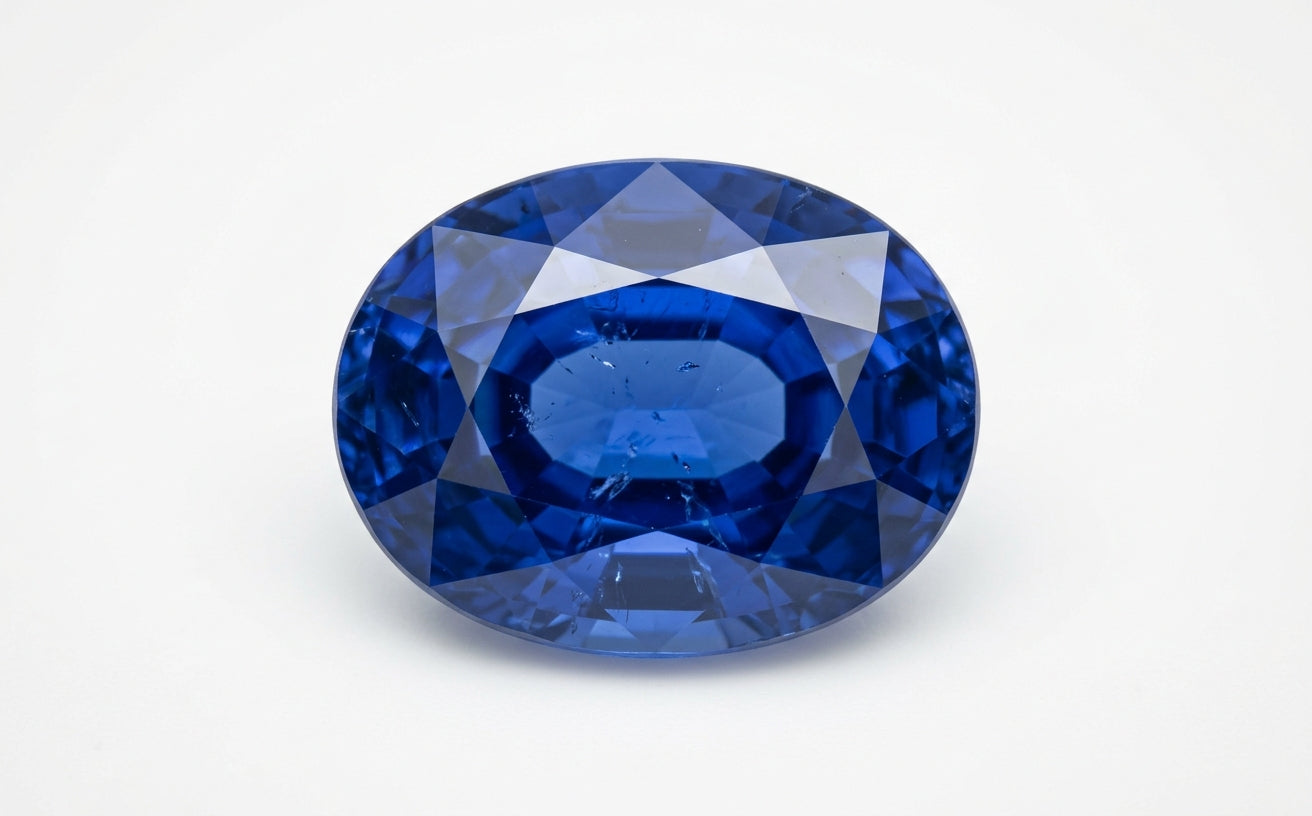
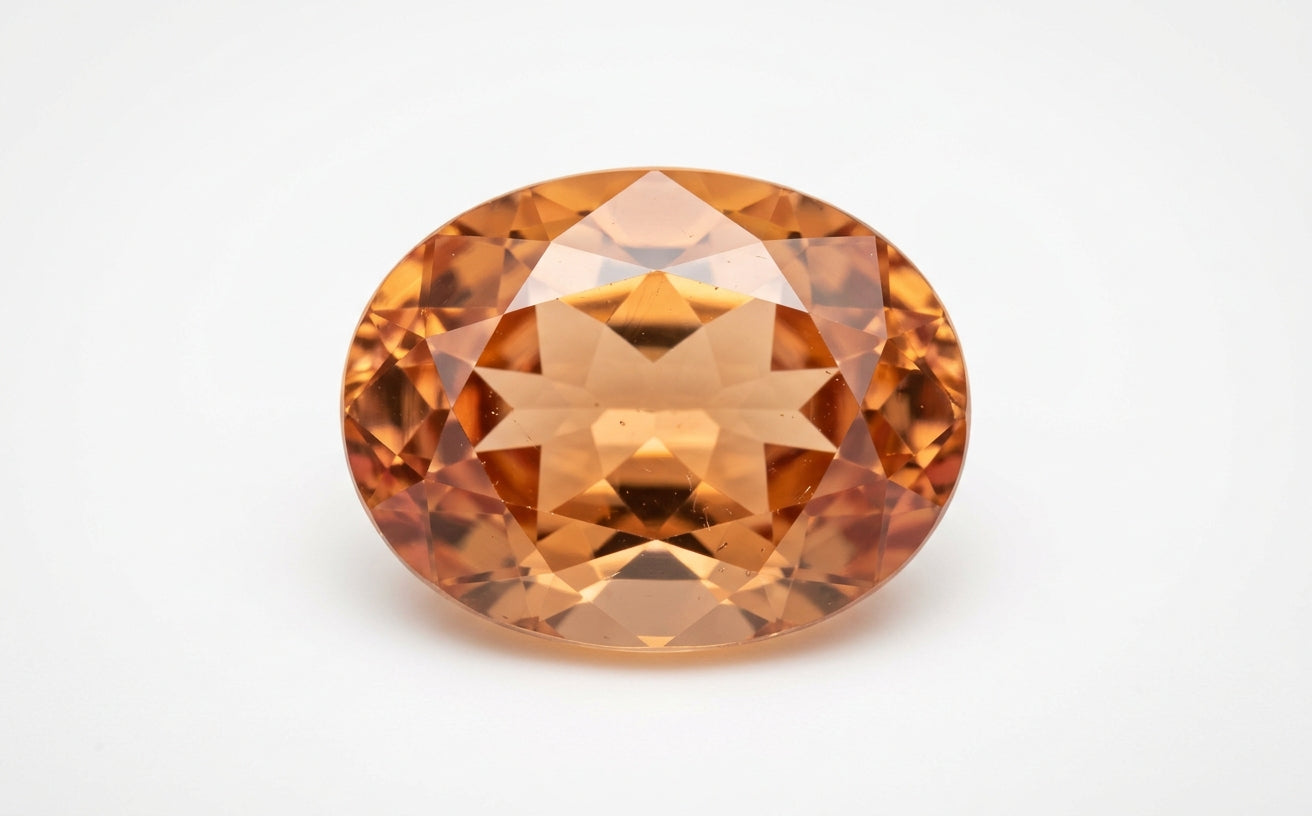
Oval
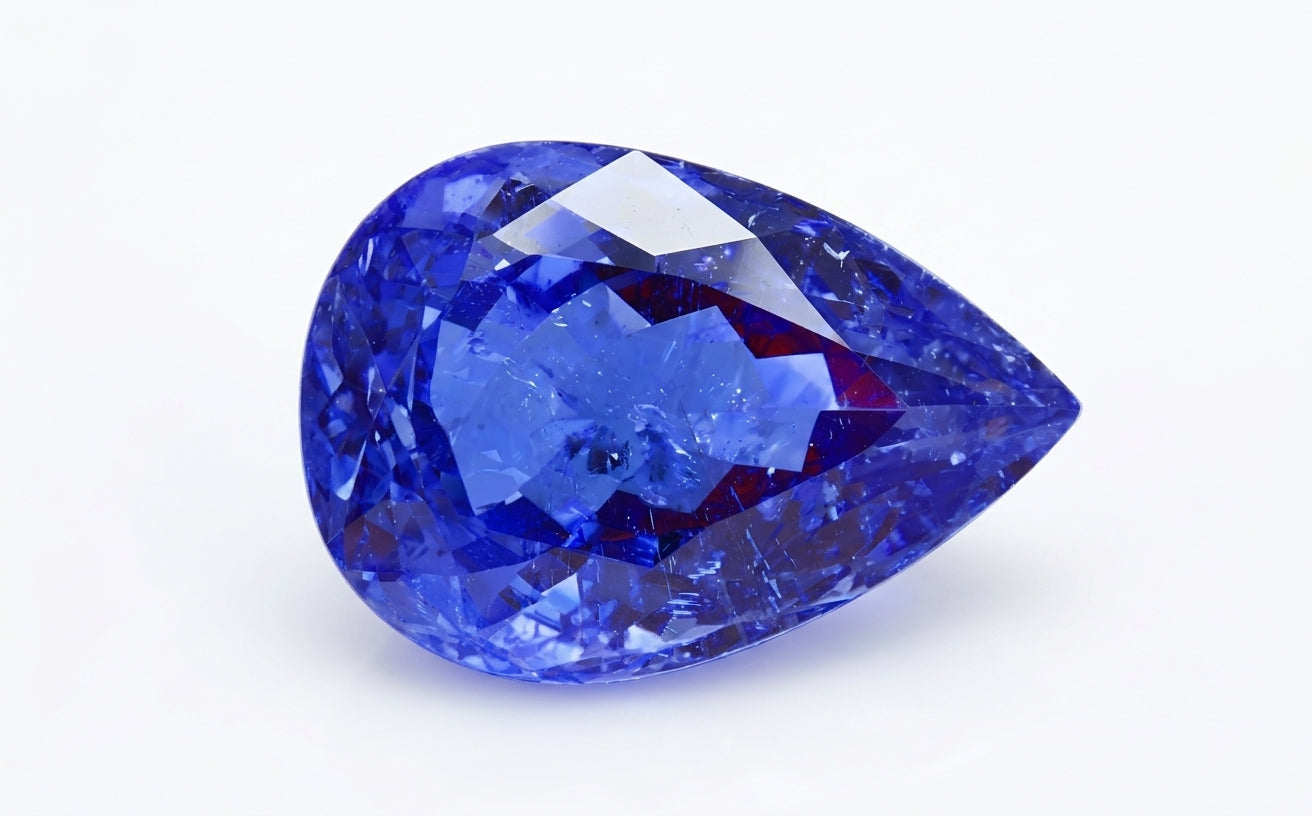
Pear
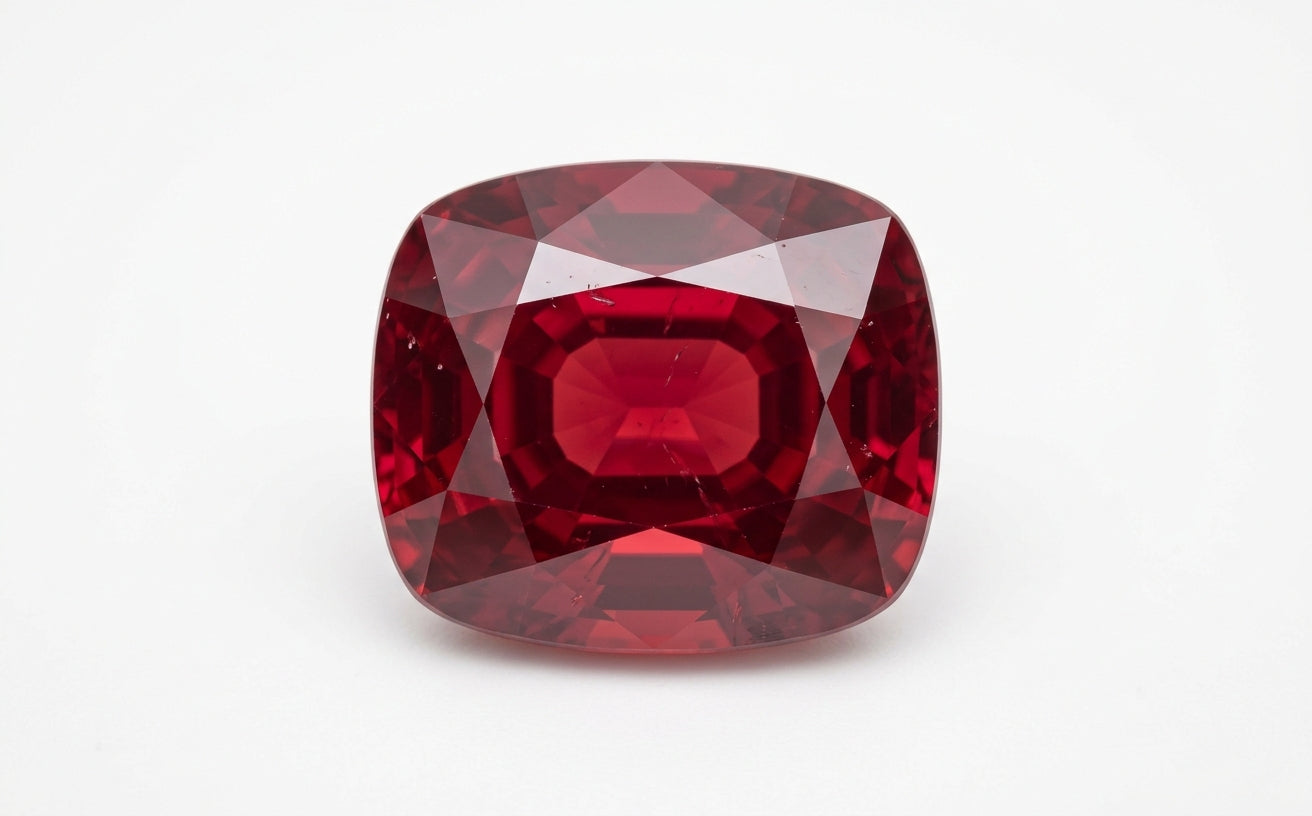
Cushion
Origins & Value
Brazil, Africa, and beyond
Aquamarine is found in several locations around the world, each producing material with slightly different characteristics. Origin can influence perception and value, though the individual characteristics of the stone remain the most important factors.
Origin
Brazil
Role
The most historically significant source
Known for
Santa Maria color
Color
Deeper, saturated blue
Reputation
The benchmark for fine color
Brazil remains the most historically significant source, particularly for high-quality stones with deeper blue color. The term “Santa Maria aquamarine” originates from Brazilian deposits known for producing some of the finest material.
Origin
Africa
Key countries
Madagascar, Nigeria, Mozambique
Rise
Increasingly important in recent years
Clarity
Often excellent
Color
A wide range
African sources, including Madagascar, Nigeria, and Mozambique, have become increasingly important in recent years. These regions produce a wide range of material, often with excellent clarity and attractive color.
Origin
Pakistan
Known for
Exceptional transparency
Setting
High-altitude deposits
Character
Dramatic mining conditions
Pakistan is also known for producing aquamarine crystals with exceptional transparency, often found in dramatic high-altitude deposits.
Aquamarine color, from pale greenish blue to Santa Maria blue.
Rarity and market value
While aquamarine is more abundant than many other gemstones, fine-quality material with strong, saturated color is significantly rarer.
Value is primarily driven by color intensity, followed by clarity and size. Large aquamarines are relatively common compared to other gemstones, but large stones with deep, even color are far more difficult to find.
Because color and treatment affect value, a report from a recognized gemological laboratory is the best way to confirm an aquamarine's natural color and treatment status.
Care
Wearing aquamarine every day
With a hardness of 7.5 to 8, aquamarine is well suited to rings and other frequently worn pieces. A few simple habits keep it looking its best.
Clean gently
Use lukewarm water, a drop of mild soap, and a soft brush, then rinse and pat dry.
Wear it often
Aquamarine is durable enough for daily wear, though it should still be handled with care to avoid scratches or impact damage.
Store pieces apart
Aquamarine can scratch softer stones and metal, so keep jewelry in separate pouches or a lined box.
Avoid hard knocks
A sharp impact can chip or crack any gemstone, including aquamarine. Remove rings before heavy work or sport.
Skip harsh chemicals
Household cleaners and chlorine can dull the surface and affect some jewelry metals over time.
Have it checked
Bring your aquamarine in regularly so a jeweler can inspect the prongs and setting.
At Forever Rox Fine Jewelry, the focus is on aquamarines that exhibit clean clarity and balanced color. Each stone is selected for its visual presence and overall quality, ensuring it performs beautifully in both natural and indoor lighting. Browse aquamarine rings, earrings, necklaces, and custom-designed pieces tailored to individual stones.
The most valuable aquamarine displays a deep, pure blue color with strong saturation and even tone, often referred to as Santa Maria color.
Most aquamarine is heat treated to remove green tones and enhance blue color. This is a standard and stable treatment in the industry.
Yes, aquamarine is durable enough for everyday wear, though it should still be handled with care to avoid scratches or impact damage.
Aquamarine forms in stable geological environments that allow crystals to grow with fewer inclusions, resulting in exceptional clarity.
Aquamarine is generally more affordable than gemstones like sapphire or ruby, but fine-quality stones with strong color can be significantly more valuable.
Brazil is historically known for producing some of the finest aquamarine, though high-quality stones are also found in Africa and Pakistan.