Gemstone Encyclopedia  /  Citrine

The Complete Citrine GuideColor, treatment, origins, and what determines quality

Citrine is the warm, sunny member of the quartz family - affordable, durable, and available in sizes few colored gems can match. Unlike gems graded on a strict balance of color, clarity, cut, and carat, citrine's value comes down almost entirely to one thing: color.

Forever Rox Fine Jewelry · Incline Village, Lake Tahoe

A rough citrine crystal on a white background, amber to golden-orange at the terminated point and fading to milky white quartz at its base
A rough citrine crystal - quartz colored by trace iron, warmest at the point.

Citrine at a glance

Quick facts
Mineral
Quartz (silicon dioxide)
Color
Pale yellow to golden-orange and reddish-brown "Madeira"
Hardness
7 Mohs
Birthstone
November
Color caused by
Trace iron in the quartz structure
Key origins
Brazil, Zambia, Bolivia, Madagascar
Zodiac
Scorpio, Sagittarius
Symbolism
Success, abundance, positivity
Popular cuts
RoundOvalCushion

Overview

A warm quartz with a name as sunny as its color

Almost everything sold as citrine today started out as something else.

Citrine is a variety of quartz - the same mineral family as amethyst, smoky quartz, and clear rock crystal - colored a warm yellow to orange by trace iron locked inside its crystal structure. Its name comes from the French citron, for lemon, and it's been cut and worn for centuries: in the Middle Ages, merchants carried citrine as a charm for prosperity, which is how it earned the nickname "the merchant's stone."

Where citrine's color actually comes from

Genuinely natural citrine - crystals that formed with their yellow-to-orange color already built in by iron - is one of the rarer quartz varieties. Almost everything sold as citrine today reaches that color a different way: it starts out as amethyst or smoky quartz, both colored by the same iron impurity in a different state, and a carefully controlled heating process shifts that iron's color center from purple or brown to citrine's signature gold.

The treatment is permanent and completely stable under normal wear - it isn't a coating or a surface effect, it changes the color at the same structural level the original purple or brown came from. That stability, combined with quartz's everyday durability, is a big part of why citrine has stayed such an accessible, popular gem for so long.

A rough citrine crystal on a white background, amber to golden-orange at the terminated point and fading to milky white quartz at its base
A rough citrine crystal, colored by trace iron - the point darkens toward amber while the base stays milky quartz.

Colors

From pale lemon to deep Madeira

Citrine runs along one continuous range from pale yellow to deep reddish-brown, plus one quartz-family relative that splits the difference with amethyst. Drag the bar or pick a shade to compare.

Lemon citrine

A pale, bright yellow sometimes sold on its own as "lemon quartz" - light, affordable, and a touch cooler than classic gold.

Hue family
Pale yellow, little to no orange.
Typical source
Lightly heat-treated amethyst, or naturally pale material.
Rarity & value
Common and affordable - the lightest, most accessible end of the range.
Good to know
Despite the name, it's true citrine, not a separate quartz variety.

Golden citrine

The warm, even gold most people picture when they hear "citrine" - clean color with no brownish cast.

Hue family
Saturated yellow to light orange.
Typical source
Heat-treated amethyst, the source of most commercial citrine.
Rarity & value
Widely available; the standard against which other shades are compared.
Good to know
This is the color most heat treatment is specifically aimed at producing.

Madeira citrine

A deep, reddish-orange to brownish-red shade named for the amber-colored fortified wine - once a specialty color, now the most sought-after shade on the market.

Hue family
Deep reddish-orange to red-brown.
Typical source
Heat-treated amethyst with strong original color, or natural material.
Rarity & value
The rarest and most valuable commonly traded citrine color.
Good to know
Buyer tastes have shifted toward this shade in recent years, pushing its price up.

Lime citrine

A yellow-green shade produced by a lower-temperature heat treatment of smoky quartz rather than amethyst - a genuinely different starting material.

Hue family
Yellow-green, distinct from the yellow-to-red citrine line.
Typical source
Heat-treated smoky quartz, not amethyst.
Rarity & value
Less common than gold or Madeira citrine; a specialty color.
Good to know
Sometimes marketed under its own name rather than as "citrine."

Ametrine

A single quartz crystal that grew as both amethyst and citrine, cut to show a clean, natural split between gold and purple in one stone.

Hue family
Half citrine gold, half amethyst purple.
Typical source
Natural - almost all commercial ametrine comes from Bolivia's Anahi mine.
Rarity & value
Genuinely uncommon; a real natural-origin novelty rather than a treated effect.
Good to know
The split is natural zoning within one crystal, not two stones joined together.

Colors shown are illustrations. Real citrine varies with individual stone quality and treatment, and nearly all of it reaches these colors through heat treatment of amethyst or smoky quartz.

Properties

Hardness & durability

MOHS HARDNESSCitrine1TALC2GYPSUM3CALCITE4FLUORITE5APATITE6ORTHOCLASE7QUARTZ8TOPAZ9CORUNDUM10DIAMOND7OUT OF 10SCRATCH RESISTANCETOUGHNESSHighGoodNo cleavage, but sudden heat can fracture it
Citrine sits at 7 on the Mohs scale, the same hardness as its quartz relatives amethyst and smoky quartz. Tap or hover any number to compare.

Mohs measures scratch resistance, from talc (1) to diamond (10).

Hardness & wearability

At 7 on the Mohs scale, citrine is hard enough for daily wear in rings, earrings, and bracelets - well above the household dust and sand that scratch softer gems, since both are mostly quartz themselves. Quartz also has no cleavage, meaning it doesn't have a built-in weak plane that can split under a sharp knock the way topaz or diamond can.

The real risks are thermal, not mechanical: citrine should never go through a sudden temperature swing (a hot shower right after a cold walk, for instance, or a jeweler's torch during a repair), since that can cause the stone to fracture. Extended exposure to strong, direct light can also fade some stones' color over time.

GIA rates citrine's toughness as good and considers it suitable for all jewelry types - the main things to plan around are heat and sudden temperature change, not everyday scratches.

How citrine gets its color

Unlike most colored stones, where a treatment enhances a gem that already has color, citrine's color is - for nearly every stone on the market - the treatment itself. Select a level to see how the main types compare.

Illustration: color and treatment intensity by type (schematic)

Level of treatment

The 4Cs

Color decides almost everything

Citrine isn't graded with the same strict balance diamonds use - color does nearly all of the work, and the rest mostly supports it. Open each tab to see how they fit together.

Citrine's color comes from trace iron within its crystal structure, running from pale lemon yellow through classic gold to a deep, reddish-brown shade the trade calls "Madeira," after the amber-colored fortified wine.

The classic benchmark for fine citrine is a clean, saturated yellow-to-orange free of any brownish tint - but tastes have shifted, and the deep, warm "Madeira" end of the range, once treated as a specialty color, has become the most sought-after and expensive shade on today's market. Color zoning - uneven bands or patches of lighter and darker color in the same stone - is the main thing to watch for, since buyers generally prefer an even, consistent hue over a zoned one.

Try it: dial in citrine's color

Citrine crystals occur in a wide range of sizes, and clean stones up to about 20 carats are easy to find already set in finished jewelry - a real contrast to gems like sapphire or emerald, where size alone drives the price up quickly.

Because carat weight has comparatively little effect on price, citrine suits bold, large-stone designs that would cost dramatically more in a rarer gem. Color and clarity matter far more to citrine's value than size does.

Citrine typically grows with excellent clarity, and most faceted citrine on the market is eye-clean - meaning it has no inclusions visible without magnification, a trait it shares with its quartz relatives.

The main clarity issue to watch for isn't inclusions at all, it's color zoning: uneven bands or patches of lighter and darker color within the same stone, rather than one smooth, even tone. A handful of stones also show faint internal "silk" or feathery inclusions, which rarely affect durability but can be weighed against an equally priced, cleaner stone.

Because quartz crystals grow large and citrine rough is comparatively abundant, cutters have far more freedom with citrine than with rarer gems - it turns up in nearly every standard shape, plus large fantasy cuts and carvings that would be prohibitively expensive in topaz or yellow sapphire.

Round and oval cuts are the most popular, since they return citrine's warm color and brightness efficiently. Cushion, pear, trillion, square, and heart cuts are all widely available too, and well-cut material should show even color across the whole stone with no washed-out "windowing" through the center.

Round
Oval
Cushion

Origins & Value

Brazil, Zambia, Bolivia, and Madagascar

Most of the world's citrine, treated or natural, traces back to a handful of places - and where a stone comes from says more about how it got its color than about a dramatically different look.

Origin

Brazil

Known for
The world's leading source of both natural and heat-treated citrine
Signature trait
Enormous amethyst geodes that supply the raw material for most commercial citrine
Treatment
Mostly heat-treated; natural material does occur but is less common

Brazil produces more citrine, natural and heat-treated combined, than anywhere else on Earth. Its amethyst geodes - some large enough to stand inside - supply much of the raw material that becomes commercial citrine once carefully heated.

Genuinely natural Brazilian citrine does occur, most notably in Rio Grande do Sul, though it's far less common than the heat-treated material grown from the country's abundant amethyst.

Origin

Zambia

Known for
One of the best-known sources of genuinely natural, untreated citrine
Signature trait
Large, clean crystals, notably from the Kitwe area
Treatment
Natural - no heating needed to reach its color

Zambia is one of the few places that reliably produces natural citrine in commercial quantities, rather than amethyst destined for a furnace. Material from the Kitwe deposit has turned up as large, clean, well-colored crystals that gemological labs cite specifically when discussing untreated citrine.

Because natural citrine is so much rarer than heat-treated material, Zambian stones with documented natural origin can carry a real premium over otherwise similar heat-treated citrine.

Origin

Bolivia

Known for
The Anahi mine, source of natural citrine and its bicolor cousin, ametrine
Signature trait
A single crystal can grow as both amethyst and citrine side by side
Treatment
Natural

Bolivia's Anahi mine, in the remote Pantanal wetlands near the Brazilian border, is the world's primary source of ametrine - quartz crystals that grow as amethyst and citrine within the same stone, split cleanly enough to cut into a single bicolor gem.

The same deposit also produces straightforward natural citrine on its own, prized for the same reason as Zambian material: it never needed a furnace to reach its color.

Origin

Madagascar

Known for
A newer, increasingly significant source of citrine quartz
Signature trait
Supplies both natural material and amethyst suited to heat treatment
Treatment
Mixed - both natural and heat-treated material comes from the island

Madagascar has become an increasingly important source of quartz gemstones generally, citrine included, as mining has expanded across the island over the past few decades.

Smaller additional sources include Uruguay, Russia, Spain, and the United States - none of them major by volume, but each contributing to the overall supply.

Natural citrine from any of these sources is the exception, not the rule - see Rarity & Value below for how that scarcity actually plays out in price.

Rarity and market value

How citrine is actually graded

Citrine isn't graded with diamond's strict 4Cs rigor - color does almost all of the work, with clarity and cut playing supporting roles. A commonly used informal scale runs from Heirloom (the top roughly 1% of material) through Best (top 10%), Better (top 33%), and Good (the remaining majority), based mainly on depth and evenness of color.

Citrine remains one of the more affordable colored gemstones overall, which is part of its appeal - but within that affordability, deep, saturated "Madeira" stones and genuinely natural material (rather than heat-treated amethyst) can command meaningfully higher prices than an ordinary pale or mid-tone stone.

Natural vs. heat-treated

Both are real citrine - heat treatment doesn't make a stone less genuinely quartz, and the color change is permanent, not a coating. The distinction matters mainly for rarity and price: natural, untreated citrine is scarce enough that a documented natural stone is a genuine specialty item, while heat-treated citrine (the overwhelming majority of what's sold) is valued on color and clarity alone, the same as any other citrine.

Care

Wearing citrine every day

At 7 on the Mohs scale with good toughness, citrine is one of the easier colored gems to wear daily - a few simple habits keep it looking its best.

Clean with warm, soapy water

A soft brush and warm water with a drop of mild soap is the safest way to clean citrine; rinse and pat dry.

Ultrasonic cleaners are usually fine

Ordinary heat-treated or natural citrine tolerates an ultrasonic cleaner well - the exception is the rare dyed or fracture-filled stone, which shouldn't go in one.

Skip the steam cleaner

Citrine should not be exposed to concentrated heat, which rules out steam cleaning regardless of treatment type.

Avoid sudden temperature changes

A hot shower right after a cold walk, or any other fast swing in temperature, can cause citrine to fracture.

Keep it out of prolonged strong light

Extended exposure to intense light can fade some citrine's color over time - a jewelry box beats a sunny windowsill.
Store it separately

Citrine is harder than many everyday materials; keep it in its own pouch or a lined compartment to avoid scratching softer stones or jewelry.

Shop the stone

Citrine jewelry, in stock now

Shop

Citrine jewelry at Forever Rox Fine Jewelry

At Forever Rox Fine Jewelry, we select citrine for clean, saturated color first - whether that's a bright classic gold or a deep "Madeira" orange - with clarity and cut chosen to let that color read true. It's one of the most wearable, affordable ways to bring warm color into daily jewelry, and we're glad to help you find the shade that suits you.

FAQ

Citrine questions, answered

Yes - but most citrine on the market is natural amethyst or smoky quartz that's been heat-treated to a permanent gold color. Genuinely untreated citrine exists but is much rarer.

Not reliably. The color change from heat treatment is stable and convincing; telling natural from treated citrine generally takes a gemological lab, not the naked eye.

No, though the two were historically confused. Citrine is quartz (Mohs 7); topaz is a different mineral entirely (Mohs 8) with its own distinct color range.

Ametrine is a single quartz crystal that grew as both amethyst and citrine, cut to show both colors in one stone - effectively citrine's bicolor cousin from the same mineral family.

Yes. At 7 on the Mohs scale with good toughness and no cleavage, citrine holds up well to daily wear - just avoid sudden temperature changes and prolonged heat.

Deep, reddish-orange "Madeira" citrine is both rarer and currently the most in-demand shade, so it commands a real premium over the more common pale yellow material.

Keep exploring

Know about other gems

All gemstone guides
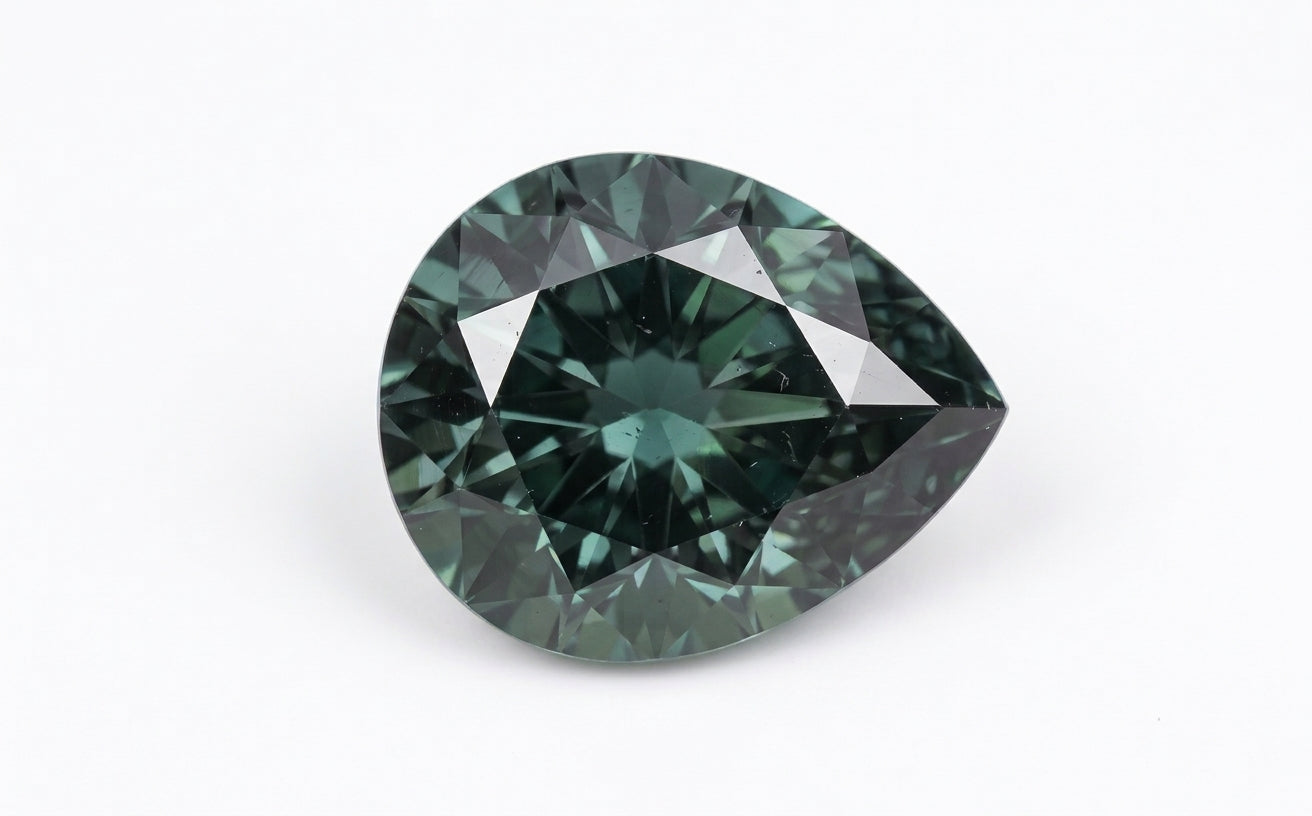
Alexandrite, pear cut

Alexandrite

The rarest color-change gem: green in daylight, red under warm light.

Mineral
Chrysoberyl
Popular cut
Pear
Color
Green in daylight, red to purplish red in incandescent light
Hardness
8.5 Mohs
More facts
Birthstone
June
Zodiac
Gemini
Symbolism
Luck, transformation
Popular cuts
Pear, Oval, Cushion
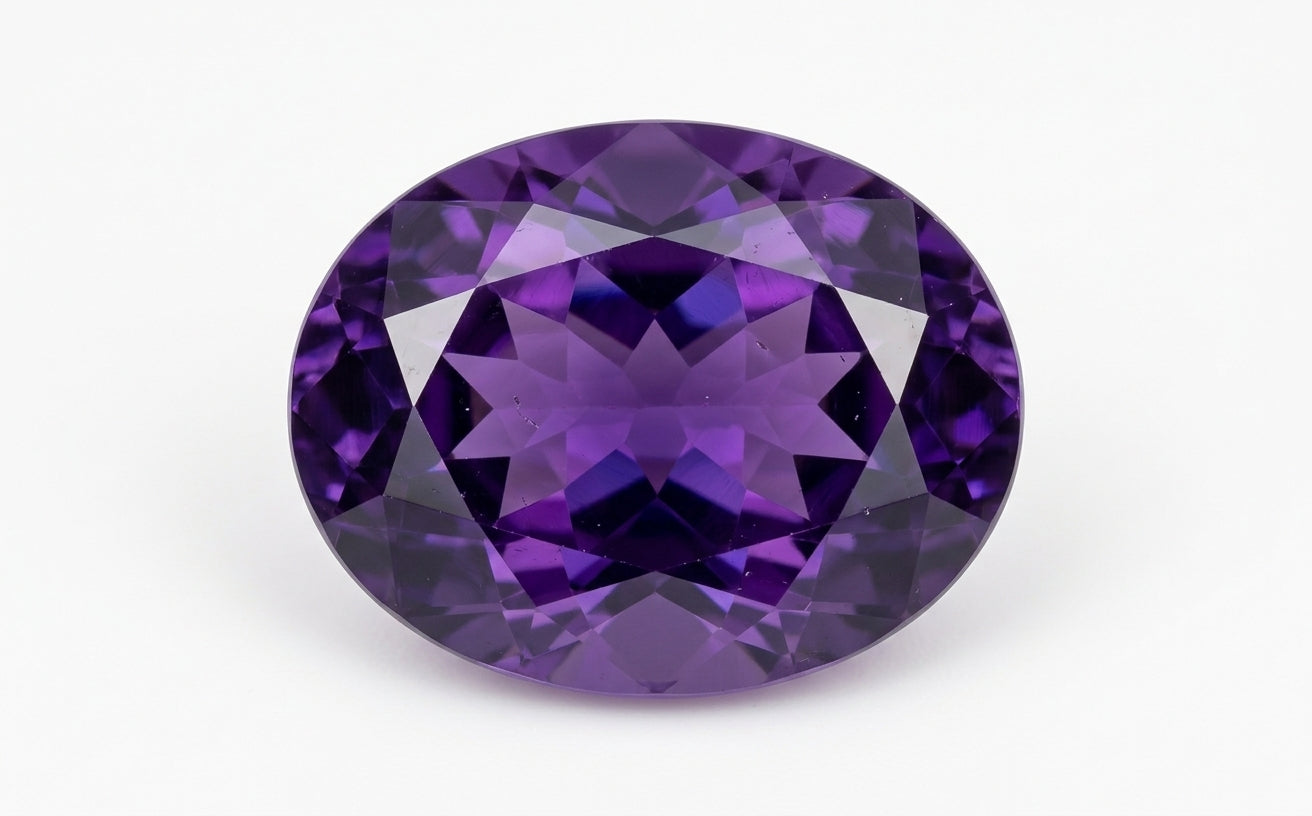
Amethyst, oval cut

Amethyst

Purple quartz ranging from soft lilac to deep royal violet.

Mineral
Quartz
Popular cut
Oval
Color
Lilac to deep violet
Hardness
7 Mohs
More facts
Birthstone
February
Zodiac
Pisces, Aquarius
Symbolism
Wisdom, peace, good fortune
Popular cuts
Oval, Cushion, Emerald cut
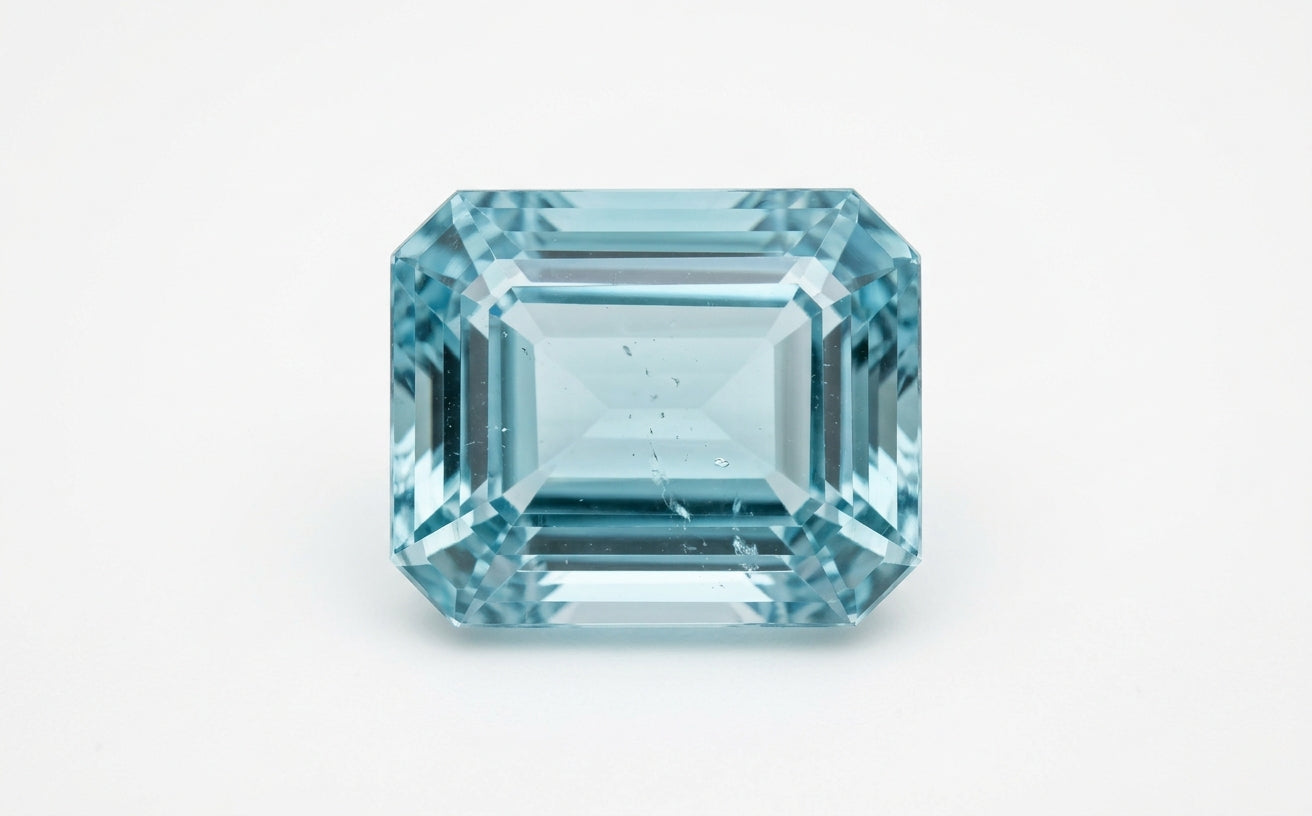
Aquamarine, emerald cut cut

Aquamarine

A clear, sea-blue beryl and a close relative of emerald.

Mineral
Beryl
Popular cut
Emerald cut
Color
Pale blue to blue-green
Hardness
7.5 to 8 Mohs
More facts
Birthstone
March
Zodiac
Aries, Pisces
Symbolism
Calm, courage, clarity
Popular cuts
Emerald cut, Oval, Pear
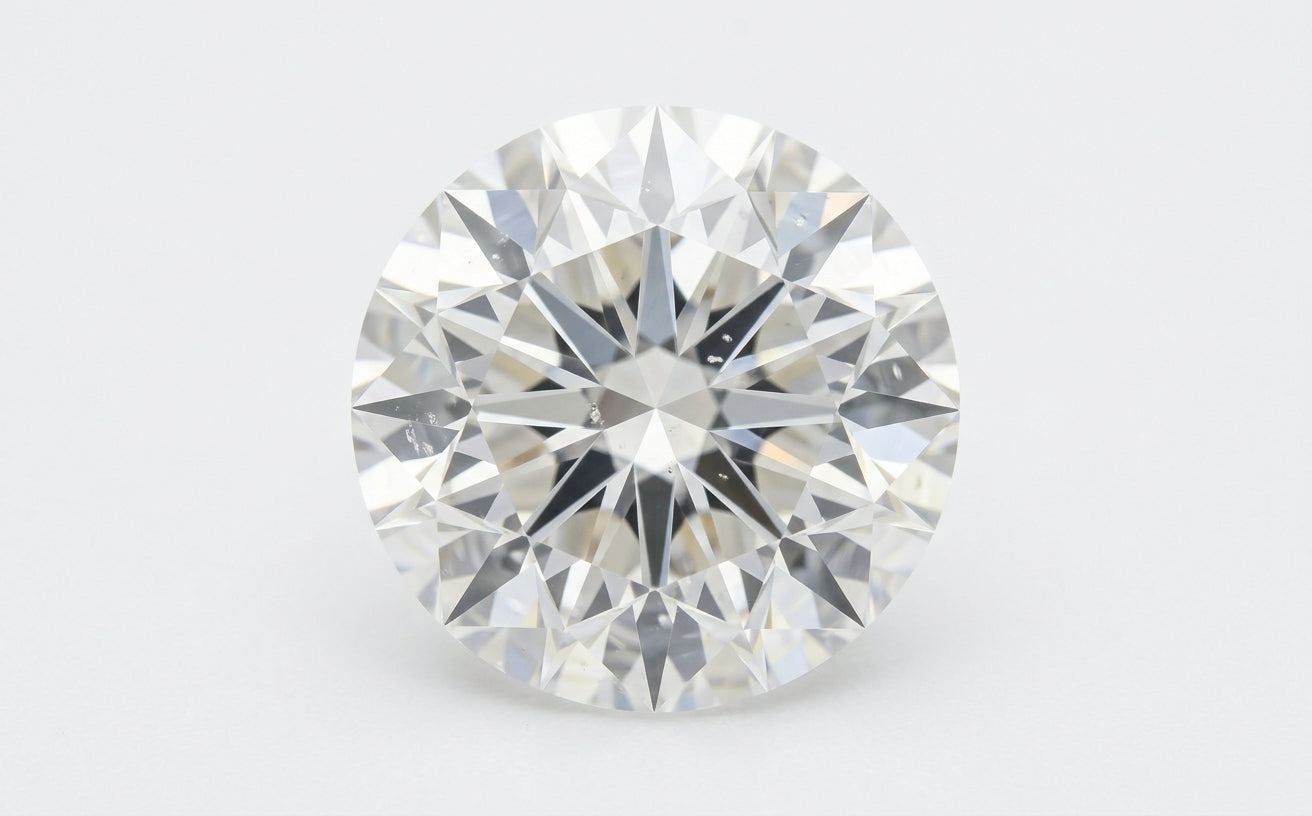
Diamond, round brilliant cut

Diamond

The hardest natural material, prized for its brilliance and fire.

Mineral
Carbon
Popular cut
Round brilliant
Color
Colorless to light yellow, plus fancy colors
Hardness
10 Mohs
More facts
Birthstone
April
Zodiac
Aries, Taurus
Symbolism
Strength, abundance, eternal love
Popular cuts
Round, Oval, Cushion
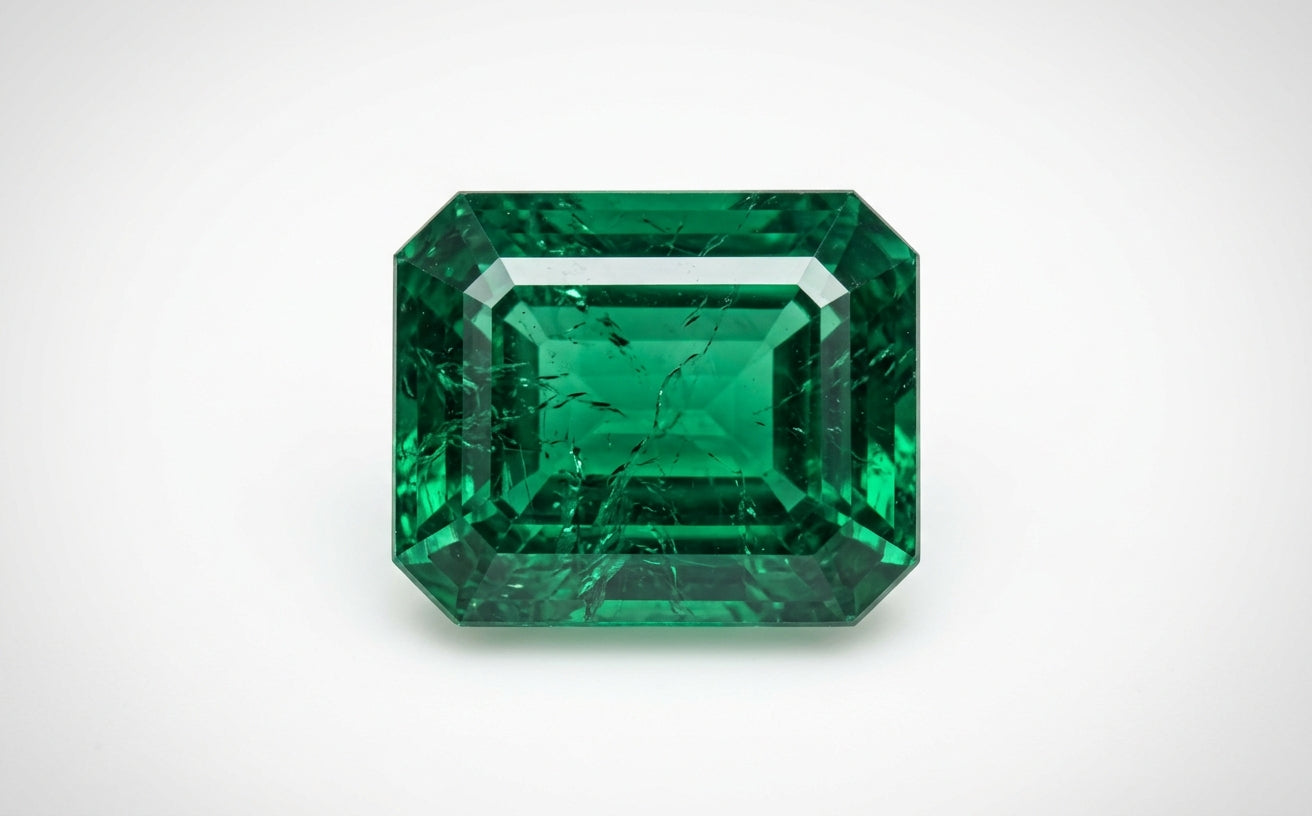
Emerald, emerald cut cut

Emerald

The classic green beryl, prized for vivid color and its garden of natural inclusions.

Mineral
Beryl
Popular cut
Emerald cut
Color
Green to bluish green
Hardness
7.5 to 8 Mohs
More facts
Birthstone
May
Zodiac
Taurus, Gemini
Symbolism
Growth, balance, good fortune
Popular cuts
Emerald cut, Oval, Cushion
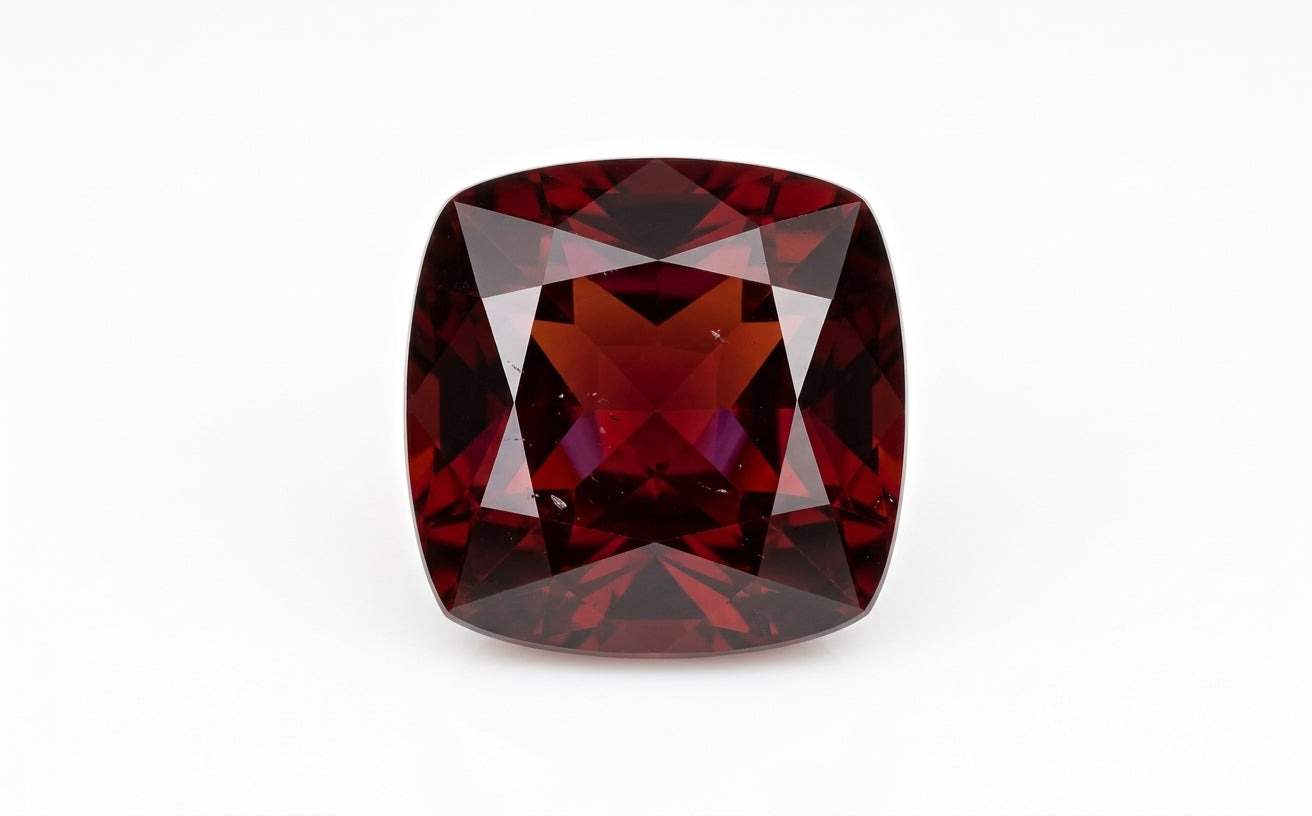
Garnet, cushion cut

Garnet

A family of gems, from deep red almandine to vivid green tsavorite.

Mineral
Garnet group
Popular cut
Cushion
Color
Red, orange, green and more
Hardness
6.5 to 7.5 Mohs
More facts
Birthstone
January
Zodiac
Capricorn, Aquarius
Symbolism
Love, friendship, passion
Popular cuts
Cushion, Round, Oval
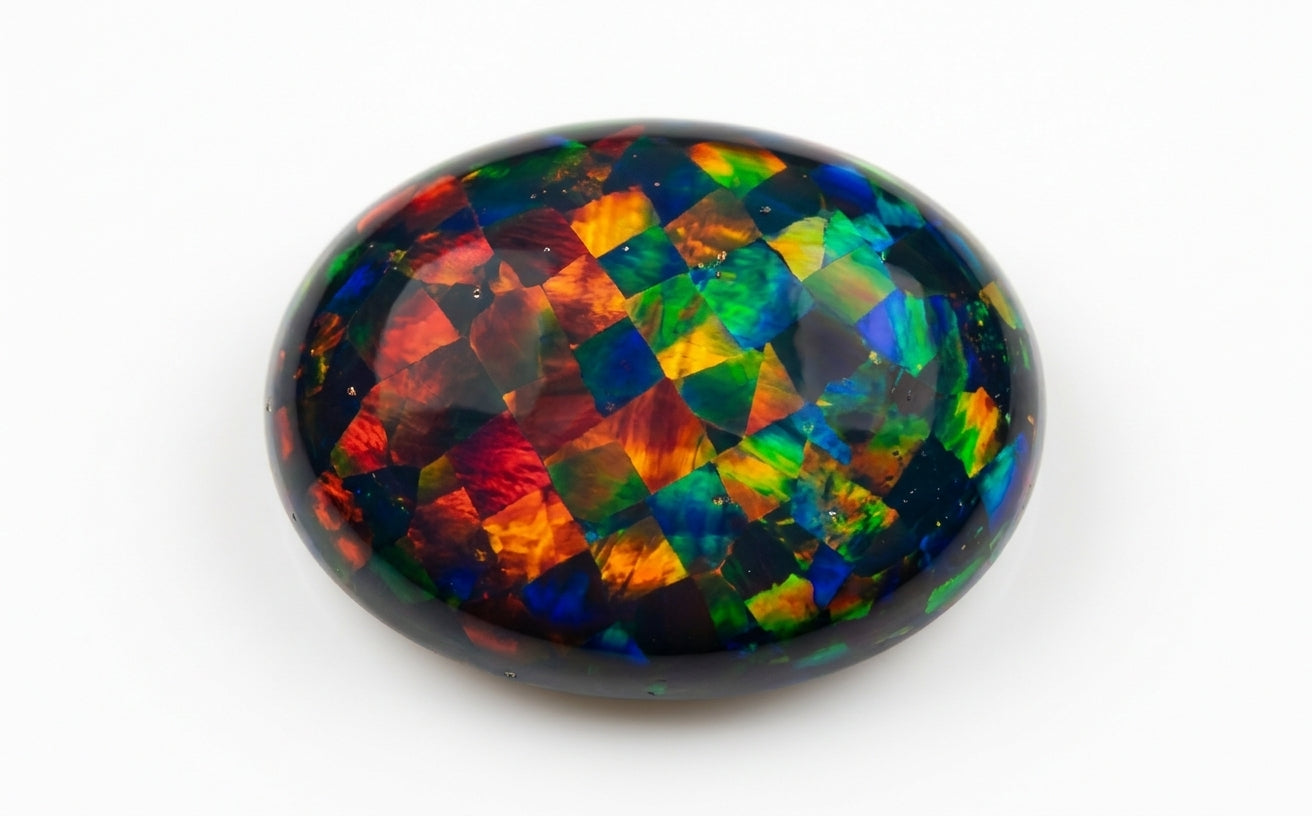
Opal, oval cabochon cut

Opal

Famous for play-of-color, flashes of spectral light that move as you do.

Mineral
Hydrated silica
Popular cut
Oval cabochon
Color
White, black, fire, with play-of-color
Hardness
5 to 6.5 Mohs
More facts
Birthstone
October
Zodiac
Libra, Scorpio
Symbolism
Hope, purity, truth
Popular cuts
Cabochon, Oval, Pear
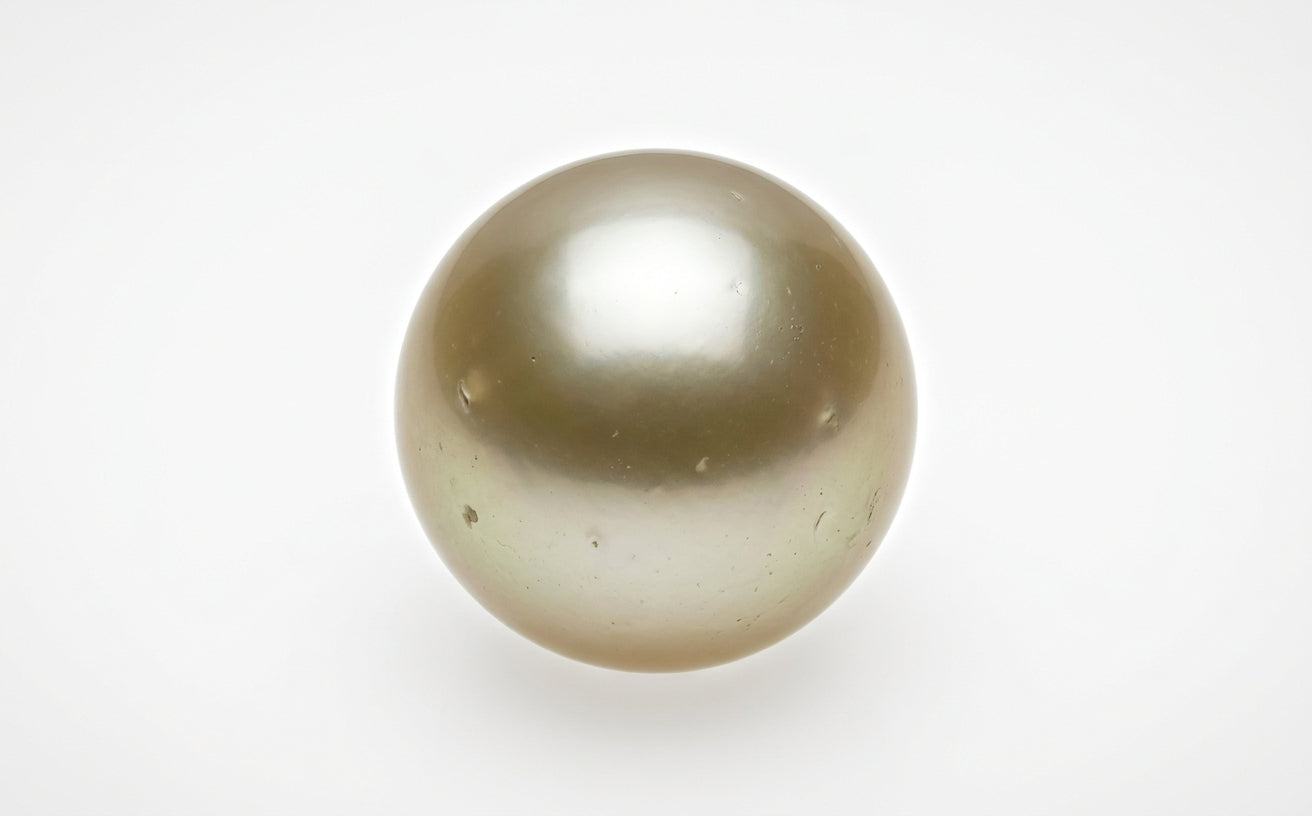
Pearl, round cut

Pearl

The only gem grown by a living creature, judged by luster, surface and shape.

Mineral
Calcium carbonate (nacre)
Popular cut
Round
Color
White, cream, gold, black and more
Hardness
2.5 to 4.5 Mohs
More facts
Birthstone
June
Zodiac
Gemini, Cancer
Symbolism
Purity, clarity, wisdom
Popular cuts
Round, Drop, Baroque
Peridot, emerald cut cut

Peridot

A vivid green gem with volcanic origins and a signature glow.

Mineral
Olivine
Popular cut
Emerald cut
Color
Yellowish green to olive
Hardness
6.5 to 7 Mohs
More facts
Birthstone
August
Zodiac
Leo, Virgo
Symbolism
Prosperity, good fortune
Popular cuts
Emerald cut, Oval, Cushion
Ruby, cushion cut

Ruby

Red corundum, colored by chromium. The finest show a vivid, saturated red.

Mineral
Corundum
Popular cut
Cushion
Color
Red to purplish red
Hardness
9 Mohs
More facts
Birthstone
July
Zodiac
Cancer, Leo
Symbolism
Love, power, passion
Popular cuts
Oval, Cushion, Round
Sapphire, oval cut

Sapphire

Corundum in every color but red, best known in deep, velvety blue.

Mineral
Corundum
Popular cut
Oval
Color
Every color except red
Hardness
9 Mohs
More facts
Birthstone
September
Zodiac
Virgo, Libra
Symbolism
Truth, sincerity, loyalty
Popular cuts
Round, Pear, Oval
Spinel, radiant cut

Spinel

A brilliant, durable gem long mistaken for ruby and now recognized in its own right.

Mineral
Spinel
Popular cut
Radiant
Color
Red, pink, blue, violet and more
Hardness
8 Mohs
More facts
Birthstone
August
Zodiac
Leo, Virgo
Symbolism
Energy, renewal
Popular cuts
Oval, Cushion, Round
Tanzanite, pear cut

Tanzanite

A blue-violet gem found in just one place on Earth: northern Tanzania.

Mineral
Zoisite
Popular cut
Pear
Color
Blue to violet
Hardness
6 to 7 Mohs
More facts
Birthstone
December
Zodiac
Sagittarius, Capricorn
Symbolism
Abundance, new beginnings
Popular cuts
Oval, Cushion, Pear
Topaz, oval cut

Topaz

A hard, brilliant gem found in many colors, from warm golden tones to icy blue.

Mineral
Topaz
Popular cut
Oval
Color
Blue, golden, pink and colorless
Hardness
8 Mohs
More facts
Birthstone
November
Zodiac
Scorpio, Sagittarius
Symbolism
Love, loyalty
Popular cuts
Emerald cut, Oval, Pear
Tourmaline, emerald cut cut

Tourmaline

A gem of many colors, including bi-color stones with pink and green in one crystal.

Mineral
Tourmaline
Popular cut
Emerald cut
Color
Nearly every color, including bi-color
Hardness
7 to 7.5 Mohs
More facts
Birthstone
October
Zodiac
Libra, Scorpio
Symbolism
Friendship, compassion
Popular cuts
Emerald cut, Oval, Pear
Turquoise, oval cabochon cut

Turquoise

An opaque blue-to-green gem prized for its color and web-like matrix.

Mineral
Hydrated copper aluminum phosphate
Popular cut
Oval cabochon
Color
Sky blue to green, often with matrix
Hardness
5 to 6 Mohs
More facts
Birthstone
December
Zodiac
Sagittarius
Symbolism
Protection, luck, healing
Popular cuts
Cabochon, Oval, Bead
Zircon, round brilliant cut

Zircon

A natural gem with diamond-like fire, not to be confused with synthetic cubic zirconia.

Mineral
Zircon
Popular cut
Round brilliant
Color
Blue, golden, red, green and more
Hardness
6 to 7.5 Mohs
More facts
Birthstone
December
Zodiac
Sagittarius
Symbolism
Wisdom, prosperity
Popular cuts
Round, Oval, Cushion