Gemstone Encyclopedia  /  Onyx

The Complete Onyx GuideBlack onyx, sardonyx, and what determines quality

Onyx has been carved into seals, signet rings, and cameos since antiquity - a banded chalcedony prized for the sharp contrast between its layers. The deep, uniform black most people picture today, though, almost never occurs that way in nature: it's the result of a dyeing technique that's been in continuous use for roughly two centuries.

Forever Rox Fine Jewelry · Incline Village, Lake Tahoe

A pile of rough, unpolished onyx chalcedony, dark gray to black with rust-orange weathering on fractured surfaces
Rough onyx, mined in large masses - most of it destined for a deep, dyed black.

Onyx at a glance

Quick facts
Mineral
Chalcedony
Microcrystalline quartz, SiO2
Color
Black, with white, red, or brown banded varieties
Hardness
6.5–7 Mohs
Birthstone
August (sardonyx)
Color caused by
Dye (black); trace minerals in natural bands
Key origins
Brazil, Uruguay, India, Madagascar
Zodiac
Leo
Symbolism
Strength, protection
Popular cuts
OvalRectangleFreeform

Overview

A banded chalcedony, almost always dyed to get its color

Nearly all the black onyx on the market today started out a different color entirely.

Onyx is a variety of chalcedony - the same microcrystalline quartz family as agate, carnelian, and chrysoprase - defined by straight, parallel bands of contrasting color. That's the detail that actually separates it from agate: agate's bands curve and swirl, while onyx's run in flat, even layers. Mineralogically, the two are close cousins, but the trade has always treated them as distinct stones.

The color almost never happens naturally

Genuinely natural, solid black onyx is uncommon - most chalcedony that forms with real black banding has layers too thin to cut as a single solid color. The deep, uniform black associated with "onyx" today is almost always the result of dyeing: porous gray-white chalcedony is soaked in a sugar solution, then treated with hot sulfuric acid, which carbonizes the sugar inside the stone's pores and leaves it permanently black. It's not a new or deceptive trick - the technique has been documented since at least the early 1800s, and it's so standard in the trade that most gemological labs describe black onyx as "probably dyed" by default.

How it forms

Like other chalcedony, onyx typically forms in the gas cavities of volcanic rock, where silica-rich groundwater deposits mineral layers over time, building up the thin bands that give banded chalcedony its name. It can occur in substantial masses - sometimes several pounds in a single piece - which is part of why onyx has stayed so affordable even as a gem with millennia of history behind it.

A pile of rough, unpolished onyx chalcedony, dark gray to black with rust-orange weathering on fractured surfaces
Rough chalcedony, before treatment turns it the deep black most people picture as onyx.

Colors

Solid black, and the banded varieties behind the name

Solid black gets the name recognition, but onyx's banded relatives - each with their own name - are where the stone's real history lives. Drag the bar or pick a shade to compare.

Black onyx

A deep, uniform black with a glossy polish - the color most people picture when they hear “onyx,” and, in the large majority of cases, a dyed color rather than a natural one.

Color cause
Dye - a sugar-and-sulfuric-acid process, in almost all commercial material.
Typical source
Brazil and Uruguay, among other sources.
Rarity & value
Widely available and affordable; genuinely natural black material is the rare exception.
Good to know
Treat any black onyx as dyed unless a lab report confirms otherwise.

Sardonyx

A banded variety with white or cream layers contrasting against reddish-brown ones - the traditional August birthstone, and a favorite material for Roman and Renaissance cameo carvers.

Color cause
Natural banding - iron-bearing layers alternating with paler chalcedony.
Typical source
Occurs alongside other chalcedony deposits worldwide.
Rarity & value
Fine, well-contrasted banded material for carving is genuinely scarcer than solid black.
Good to know
Also the official modern birthstone for August, alongside peridot and spinel.

Carnelian onyx

A banded combination of carnelian's warm orange-red with a contrasting white layer - not to be confused with plain carnelian, which is solid red-orange chalcedony with no banding at all.

Color cause
Natural banding, with the red layer colored by iron oxide.
Typical source
Occurs alongside other chalcedony deposits worldwide.
Rarity & value
Prized historically for cameo and intaglio work, where the contrast carves cleanly.
Good to know
Plain carnelian (no banding) is a separate, more common chalcedony variety.

Nicolo onyx

A black base topped with a very thin, pale bluish-gray layer - thin enough that light passing through it gives the surface a faint blue cast, a favorite for Roman intaglio seals.

Color cause
A thin, nearly translucent upper band over a black base.
Typical source
Occurs alongside other chalcedony deposits worldwide.
Rarity & value
Less commonly seen today than solid black or sardonyx.
Good to know
The name comes from the Italian “nicolo,” meaning small eye.

Colors shown are illustrations. Real onyx varies with individual stone quality, and the vast majority of solid black material is dyed rather than naturally occurring.

Properties

Hard enough for daily wear, with one easy mistake to avoid

MOHS HARDNESSOnyx1TALC2GYPSUM3CALCITE4FLUORITE5APATITE6ORTHOCLASE7QUARTZ8TOPAZ9CORUNDUM10DIAMOND6.5–7OUT OF 10SCRATCH RESISTANCETOUGHNESSHighGoodNo cleavage; resists chipping well
Onyx sits at 6.5 to 7 on the Mohs scale, the same hardness range as its chalcedony relatives agate and carnelian. Tap or hover any number to compare.

Mohs measures scratch resistance, from talc (1) to diamond (10).

Hardness & wearability

At 6.5 to 7 on the Mohs scale with no cleavage, onyx resists chipping and scratching well and is considered durable enough for everyday jewelry - rings included.

The main thing to watch for isn't physical durability, it's the dye: prolonged exposure to strong, direct sunlight can fade dyed onyx over time, and its color only penetrates a few millimeters into the stone, so heavy repolishing can wear through it.

A steel point won't scratch genuine onyx - a useful quick check, since onyx's name recognition as "the black gem" makes it a common target for glass, plastic, and dyed-howlite imitations.

Treatment: the whole color story

With onyx, treatment isn't a minor footnote - it's how almost every solid black stone on the market got its color in the first place. Select a level to see how the market actually breaks down.

Illustration: color depth and treatment intensity by type (schematic)

Level of treatment

The 4Cs

Black is the headline, but it's not the whole story

Solid black gets most of the attention, but onyx and its close relatives come in genuine banded varieties too - each with its own name and history. Open each of the four Cs to see how they fit together, and see the named varieties in the Colors section above.

For solid black onyx, color is about depth and evenness - a rich, uniform black with no visible gray undertone or patchiness is the goal, and dye quality varies noticeably between suppliers. For the banded varieties, it's the opposite: sharp, clean contrast between the layers is what carvers and collectors look for.

Because the color in most black onyx comes from dye rather than from the stone's own chemistry, "color grading" here is really about how well and how evenly the treatment was done, not about a naturally occurring hue range the way it is for most other gems.

See every named variety, from solid black to banded sardonyx, in the Colors section above.

Because onyx forms in large masses and is relatively abundant, it's typically sold by size (in millimeters, for cabochons and beads) rather than priced steeply by carat weight the way rarer faceted gems are. Large cabochons and statement pieces are genuinely affordable compared to almost any other gem of similar size.

Antique and finely carved cameos are the exception - there, the carving itself, not the raw size of the stone, is what drives value.

Onyx is opaque, so clarity in the diamond or emerald sense doesn't apply - there's no internal transparency to grade. What matters instead is surface quality: a smooth, glossy, even polish free of pits, scratches, or patchy, uneven dye color.

For cameos and intaglios, clarity-equivalent quality is about the carving itself - crisp, well-defined relief or incised detail, and clean contrast between the dyed and undyed layers being carved through.

Most onyx is cut en cabochon - a smooth, polished dome with no facets, since the stone is opaque and faceting adds little visual benefit. Oval and rectangular cabochons are both common, alongside freeform shapes that follow the rough material's natural outline.

The historic cutting style, though, is relief and incised carving: cameos (a raised design carved from the upper layer, with the layer below left as a plain background) and intaglios (the reverse - a design cut into the stone, the basis of classical signet rings and wax-seal stones). Both rely entirely on a carver's skill at orienting the rough to get clean contrast between bands.

Oval
Rectangle
Freeform

Origins & Value

Brazil, Uruguay, India, and Madagascar

Most of the chalcedony that becomes black onyx comes from a handful of sources - what varies by origin is less the final color, since nearly all of it is dyed, and more the quality of the raw material itself.

Origin

Brazil

Known for
One of the two most important commercial sources
Signature trait
Large, porous gray-white chalcedony deposits, ideal for dyeing
Role
Supplies much of the world's dyed black onyx

Brazil is one of the two most important sources of the porous, grayish chalcedony that becomes commercial black onyx once dyed. Its deposits are large and consistent enough to support steady supply at an accessible price.

Origin

Uruguay

Known for
The other major commercial source, alongside Brazil
Signature trait
Similar porous chalcedony, well suited to the dyeing process
Role
A dependable, high-volume source

Uruguay sits alongside Brazil as the other dominant commercial source of raw chalcedony for black onyx. Material from both countries supplies the great majority of dyed onyx in the market today.

Origin

India

Key region
Gujarat
Known for
A long-established cutting and processing center
Role
Major source of finished cut and polished material

India, particularly Gujarat, has long been a center for cutting and processing chalcedony into finished onyx cabochons, beads, and carved pieces, in addition to supplying some of its own raw material.

Origin

Madagascar

Known for
A newer but increasingly significant source
Also sourced from
Botswana
Role
Growing contributor to overall supply

Madagascar has become an increasingly significant source of chalcedony as mining there has expanded, with Botswana contributing additional material. Neither rivals Brazil or Uruguay in volume yet, but both add meaningfully to overall supply.

Because color in most onyx comes from treatment rather than origin, where a stone was mined matters far less to its final appearance than it does for gems like sapphire or emerald - origin here is mostly a question of raw material quality and supply, not a distinct look.

Rarity and market value

Affordable, but watch for misrepresentation

Onyx is one of the more affordable gemstones overall - it forms in large masses, and the dyeing process that produces most commercial black onyx is inexpensive and well established. That affordability is part of its appeal, especially for bold, large-stone designs that would cost far more in a rarer gem.

The flip side is that onyx's recognition as "the black gemstone" makes it a frequent target for misrepresentation - black glass, plastic, dyed howlite, and other simulants are all sold as onyx at times, and vintage or antique pieces may carry treatments that were never disclosed. A simple scratch test (a steel point won't mark genuine onyx) and, for anything valuable, professional testing are the most reliable ways to confirm what you actually have.

Genuinely natural, undyed black material is the real rarity here - confirmed-natural stones are a specialty item precisely because so little chalcedony forms that way on its own.

Care

Wearing onyx every day

At 6.5 to 7 on the Mohs scale with good toughness, onyx holds up well to daily wear - the main thing to manage is its dye, not its durability.

Clean with mild soap and warm water

A soft brush, warm water, and a drop of mild soap is the safest way to clean onyx; rinse and pat dry.

Skip ultrasonic and steam cleaners

Mechanical cleaners can damage onyx, and are especially risky for cameos with delicate carved undercutting.

Limit prolonged strong sunlight

Dyed onyx - the large majority on the market - can fade with extended direct sun exposure.

Stable to normal heat and everyday chemicals

Onyx has no particular heat sensitivity in normal wear, unlike some gems.

Store it separately

Keep onyx in its own pouch or a lined compartment to avoid scratching softer stones or jewelry.

Handle antique and vintage pieces gently

Older onyx jewelry may carry treatments or repairs that weren't disclosed at the time - treat it with extra care.

Shop the stone

Onyx jewelry, in stock now

Shop

Onyx jewelry at Forever Rox Fine Jewelry

At Forever Rox Fine Jewelry, we select onyx for clean, even color and a flawless polish - the qualities that separate a well-made piece from an ordinary one. Whether it's a deep black cabochon in a classic setting or a banded sardonyx with real character, we're glad to help you find a piece with real presence. Browse onyx rings, earrings, necklaces, and custom-designed pieces.

FAQ

Onyx questions, answered

Almost always dyed. Genuinely natural, solid black onyx is uncommon - most black onyx on the market is porous chalcedony treated with a sugar-and-sulfuric-acid process that permanently carbonizes it black. The technique has been in standard use for roughly two centuries.

Both are banded chalcedony, but onyx has straight, parallel bands, while agate's bands curve and swirl. They're mineralogically close cousins, distinguished mainly by that banding pattern.

Sardonyx is a specific banded variety of onyx - white layered with reddish-brown, rather than onyx's classic black and white. It's also the traditional August birthstone, alongside peridot and spinel.

No. “Onyx marble,” sometimes called Mexican onyx, is banded calcite - a completely different, much softer mineral (around 3 on the Mohs scale) often used in home decor. True onyx is chalcedony, a form of quartz, at 6.5 to 7 Mohs.

Yes. At 6.5 to 7 on the Mohs scale with no cleavage, onyx resists chipping and scratching well. The main thing to avoid is prolonged strong sunlight, which can fade dyed color over time.

A steel point won't scratch genuine onyx, which rules out softer imitations like glass or dyed howlite. For anything valuable, professional gemological testing is the most reliable way to confirm it.

Keep exploring

Know about other gems

All gemstone guides
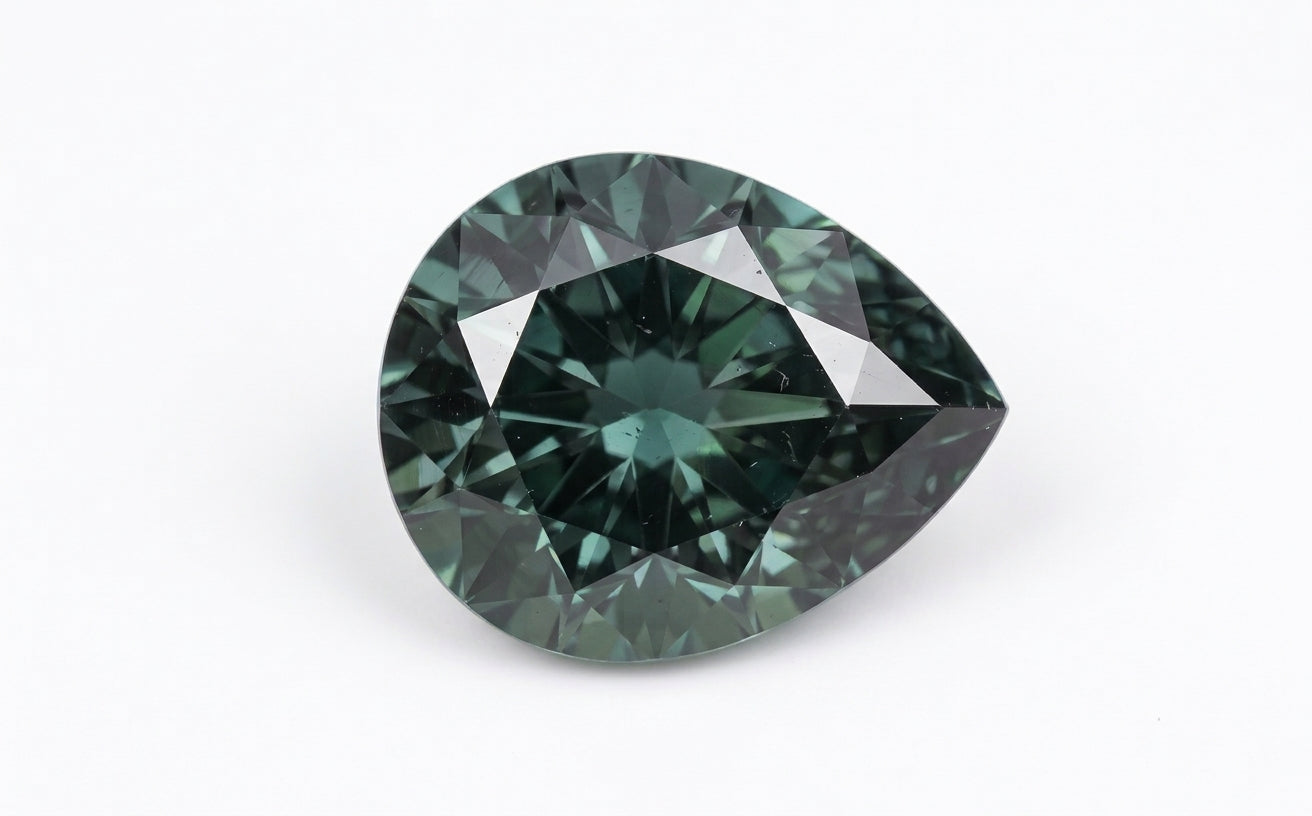
Alexandrite, pear cut

Alexandrite

The rarest color-change gem: green in daylight, red under warm light.

Mineral
Chrysoberyl
Popular cut
Pear
Color
Green in daylight, red to purplish red in incandescent light
Hardness
8.5 Mohs
More facts
Birthstone
June
Zodiac
Gemini
Symbolism
Luck, transformation
Popular cuts
Pear, Oval, Cushion
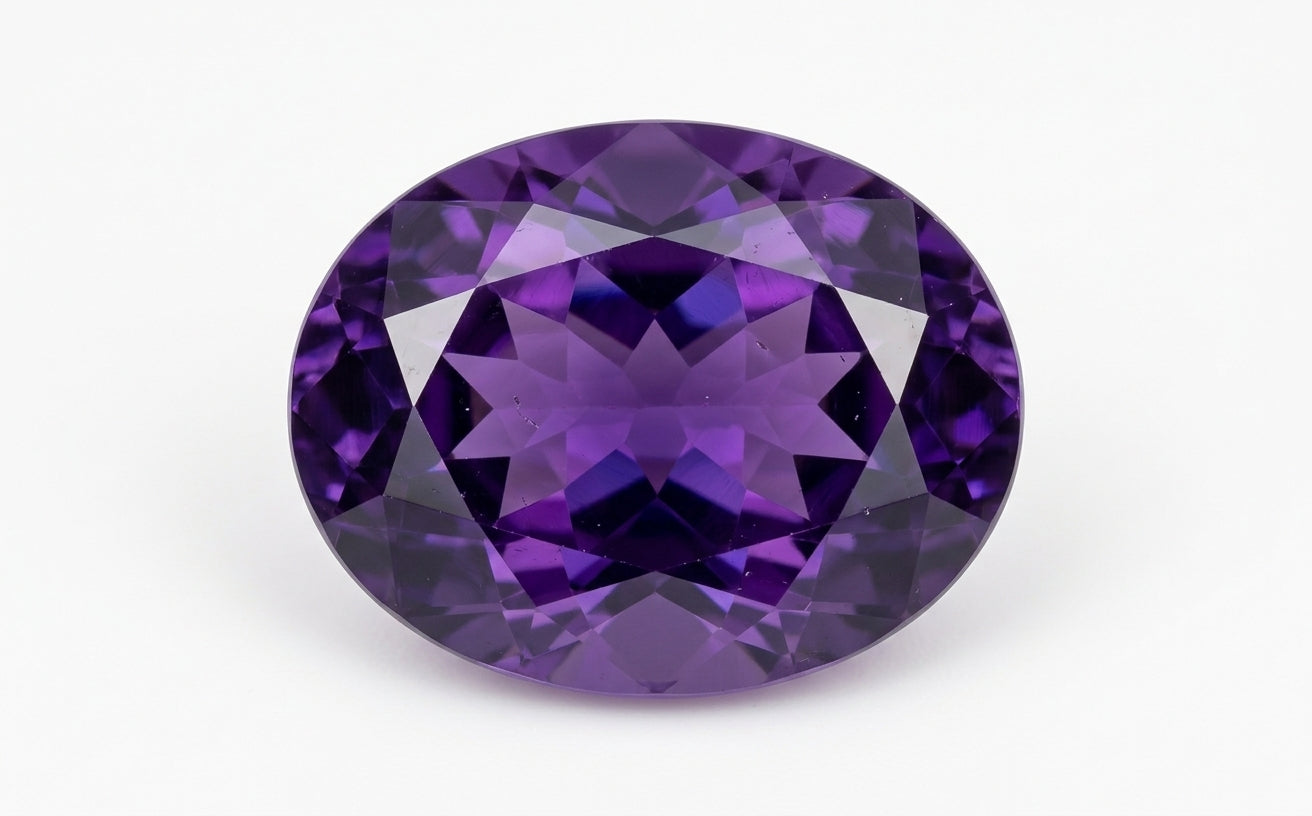
Amethyst, oval cut

Amethyst

Purple quartz ranging from soft lilac to deep royal violet.

Mineral
Quartz
Popular cut
Oval
Color
Lilac to deep violet
Hardness
7 Mohs
More facts
Birthstone
February
Zodiac
Pisces, Aquarius
Symbolism
Wisdom, peace, good fortune
Popular cuts
Oval, Cushion, Emerald cut
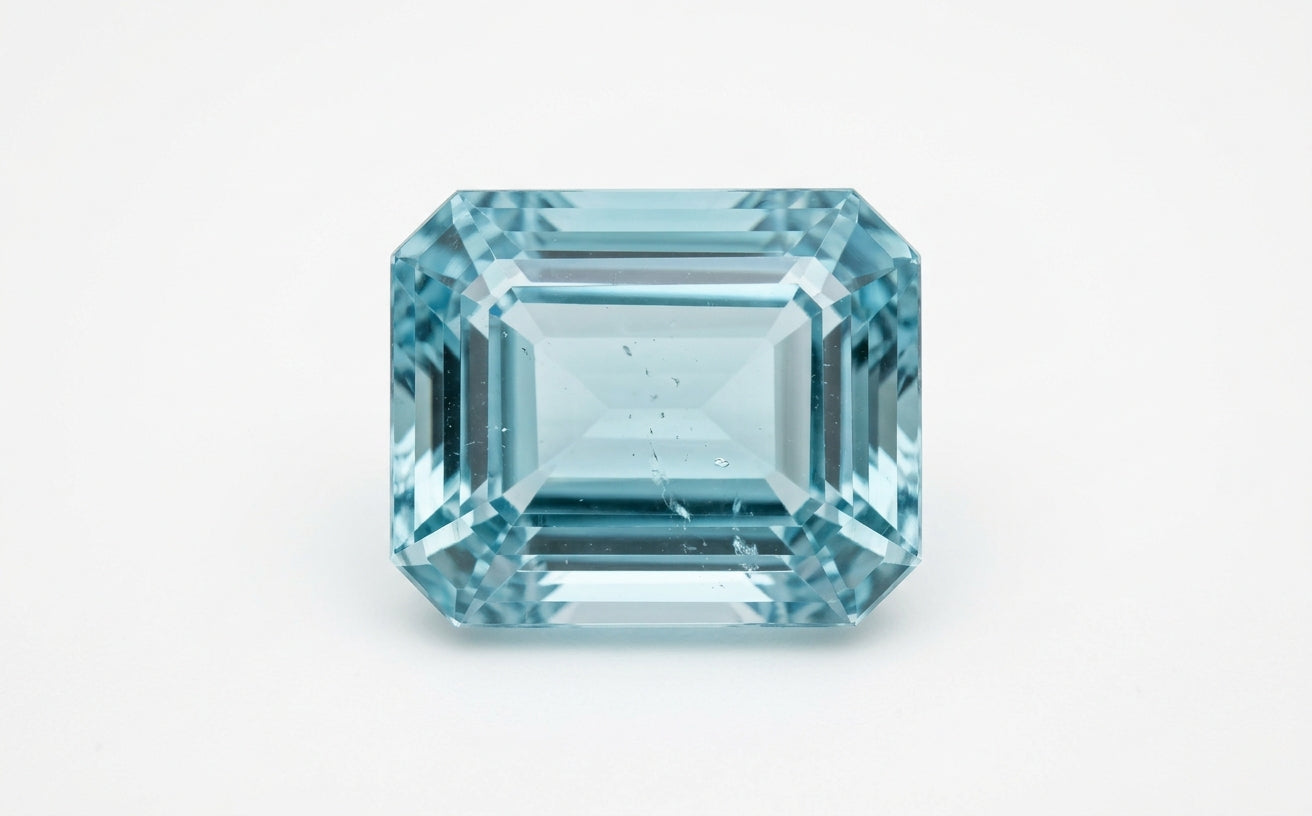
Aquamarine, emerald cut cut

Aquamarine

A clear, sea-blue beryl and a close relative of emerald.

Mineral
Beryl
Popular cut
Emerald cut
Color
Pale blue to blue-green
Hardness
7.5 to 8 Mohs
More facts
Birthstone
March
Zodiac
Aries, Pisces
Symbolism
Calm, courage, clarity
Popular cuts
Emerald cut, Oval, Pear
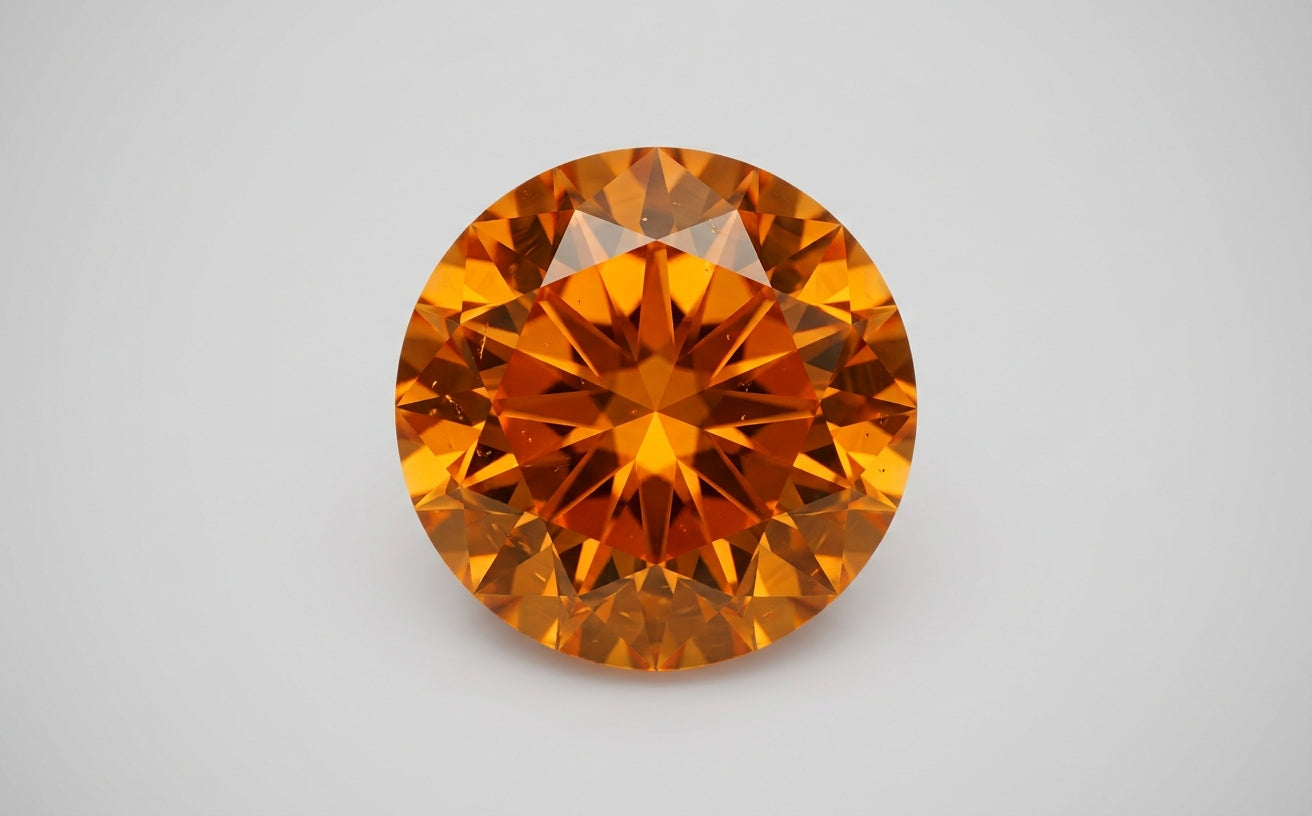
Citrine, round cut

Citrine

A sunny, affordable quartz once called the "merchant's stone," prized for warm golden color.

Mineral
Quartz (silicon dioxide)
Popular cut
Round
Color
Pale yellow to golden-orange, deepening toward reddish-brown "Madeira"
Hardness
7 Mohs
More facts
Birthstone
November
Zodiac
Scorpio, Sagittarius
Symbolism
Success, abundance, positivity
Popular cuts
Round, Oval, Cushion
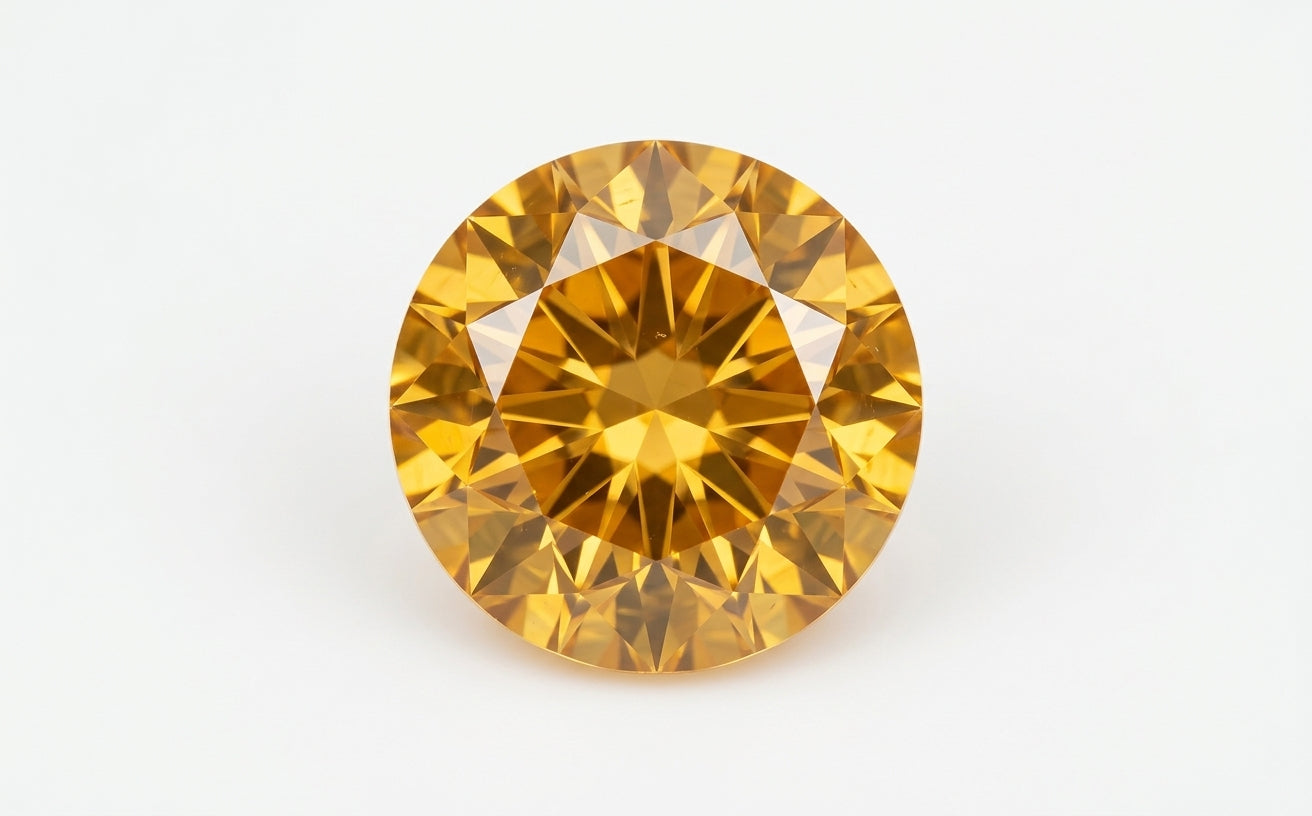
Diamond, round brilliant cut

Diamond

The hardest natural material, prized for its brilliance and fire.

Mineral
Carbon
Popular cut
Round brilliant
Color
Colorless to light yellow, plus fancy colors
Hardness
10 Mohs
More facts
Birthstone
April
Zodiac
Aries, Taurus
Symbolism
Strength, abundance, eternal love
Popular cuts
Round, Oval, Cushion
Emerald, emerald cut cut

Emerald

The classic green beryl, prized for vivid color and its garden of natural inclusions.

Mineral
Beryl
Popular cut
Emerald cut
Color
Green to bluish green
Hardness
7.5 to 8 Mohs
More facts
Birthstone
May
Zodiac
Taurus, Gemini
Symbolism
Growth, balance, good fortune
Popular cuts
Emerald cut, Oval, Cushion
Garnet, cushion cut

Garnet

A family of gems, from deep red almandine to vivid green tsavorite.

Mineral
Garnet group
Popular cut
Cushion
Color
Red, orange, green and more
Hardness
6.5 to 7.5 Mohs
More facts
Birthstone
January
Zodiac
Capricorn, Aquarius
Symbolism
Love, friendship, passion
Popular cuts
Cushion, Round, Oval
Opal, oval cabochon cut

Opal

Famous for play-of-color, flashes of spectral light that move as you do.

Mineral
Hydrated silica
Popular cut
Oval cabochon
Color
White, black, fire, with play-of-color
Hardness
5 to 6.5 Mohs
More facts
Birthstone
October
Zodiac
Libra, Scorpio
Symbolism
Hope, purity, truth
Popular cuts
Cabochon, Oval, Pear
Pearl, round cut

Pearl

The only gem grown by a living creature, judged by luster, surface and shape.

Mineral
Calcium carbonate (nacre)
Popular cut
Round
Color
White, cream, gold, black and more
Hardness
2.5 to 4.5 Mohs
More facts
Birthstone
June
Zodiac
Gemini, Cancer
Symbolism
Purity, clarity, wisdom
Popular cuts
Round, Drop, Baroque
Peridot, emerald cut cut

Peridot

A vivid green gem with volcanic origins and a signature glow.

Mineral
Olivine
Popular cut
Emerald cut
Color
Yellowish green to olive
Hardness
6.5 to 7 Mohs
More facts
Birthstone
August
Zodiac
Leo, Virgo
Symbolism
Prosperity, good fortune
Popular cuts
Emerald cut, Oval, Cushion
Ruby, cushion cut

Ruby

Red corundum, colored by chromium. The finest show a vivid, saturated red.

Mineral
Corundum
Popular cut
Cushion
Color
Red to purplish red
Hardness
9 Mohs
More facts
Birthstone
July
Zodiac
Cancer, Leo
Symbolism
Love, power, passion
Popular cuts
Oval, Cushion, Round
Sapphire, oval cut

Sapphire

Corundum in every color but red, best known in deep, velvety blue.

Mineral
Corundum
Popular cut
Oval
Color
Every color except red
Hardness
9 Mohs
More facts
Birthstone
September
Zodiac
Virgo, Libra
Symbolism
Truth, sincerity, loyalty
Popular cuts
Round, Pear, Oval
Spinel, radiant cut

Spinel

A brilliant, durable gem long mistaken for ruby and now recognized in its own right.

Mineral
Spinel
Popular cut
Radiant
Color
Red, pink, blue, violet and more
Hardness
8 Mohs
More facts
Birthstone
August
Zodiac
Leo, Virgo
Symbolism
Energy, renewal
Popular cuts
Oval, Cushion, Round
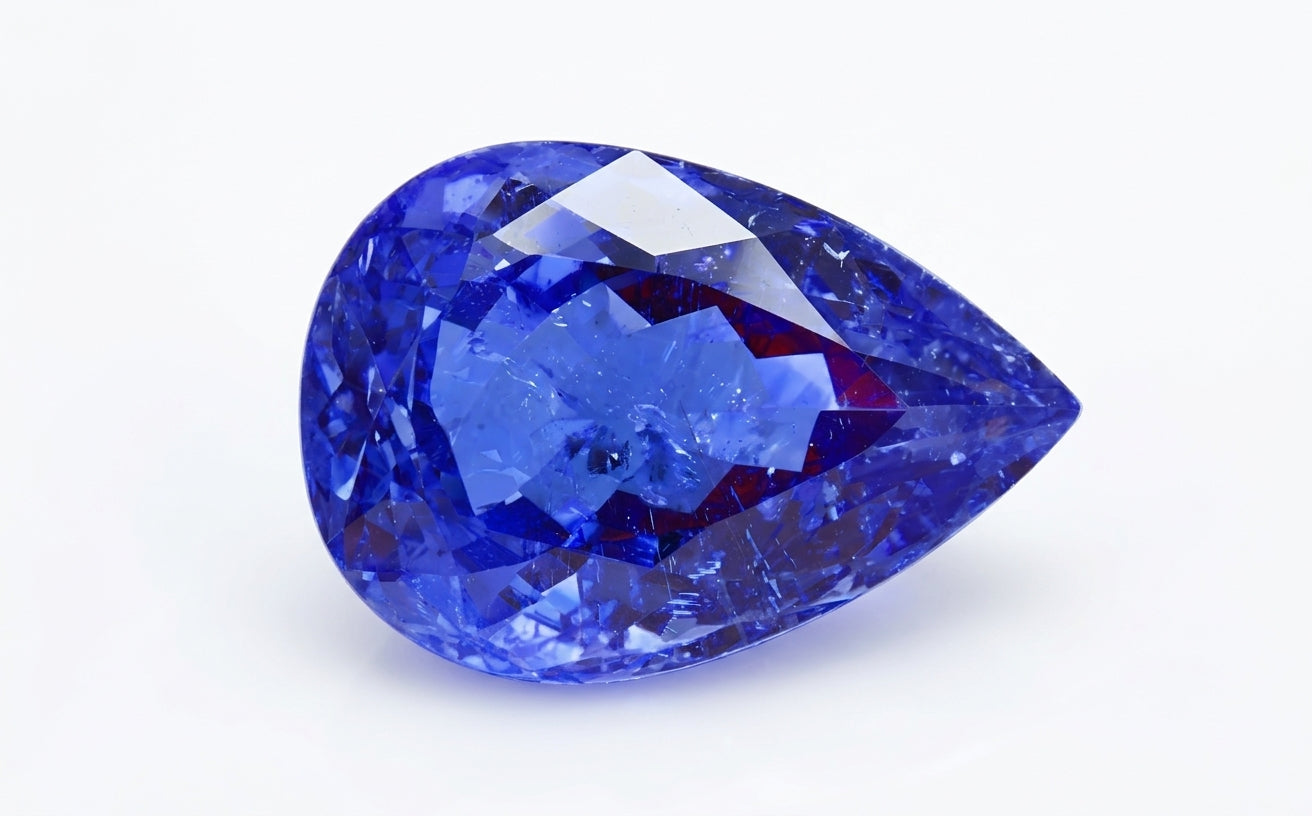
Tanzanite, pear cut

Tanzanite

A blue-violet gem found in just one place on Earth: northern Tanzania.

Mineral
Zoisite
Popular cut
Pear
Color
Blue to violet
Hardness
6 to 7 Mohs
More facts
Birthstone
December
Zodiac
Sagittarius, Capricorn
Symbolism
Abundance, new beginnings
Popular cuts
Oval, Cushion, Pear
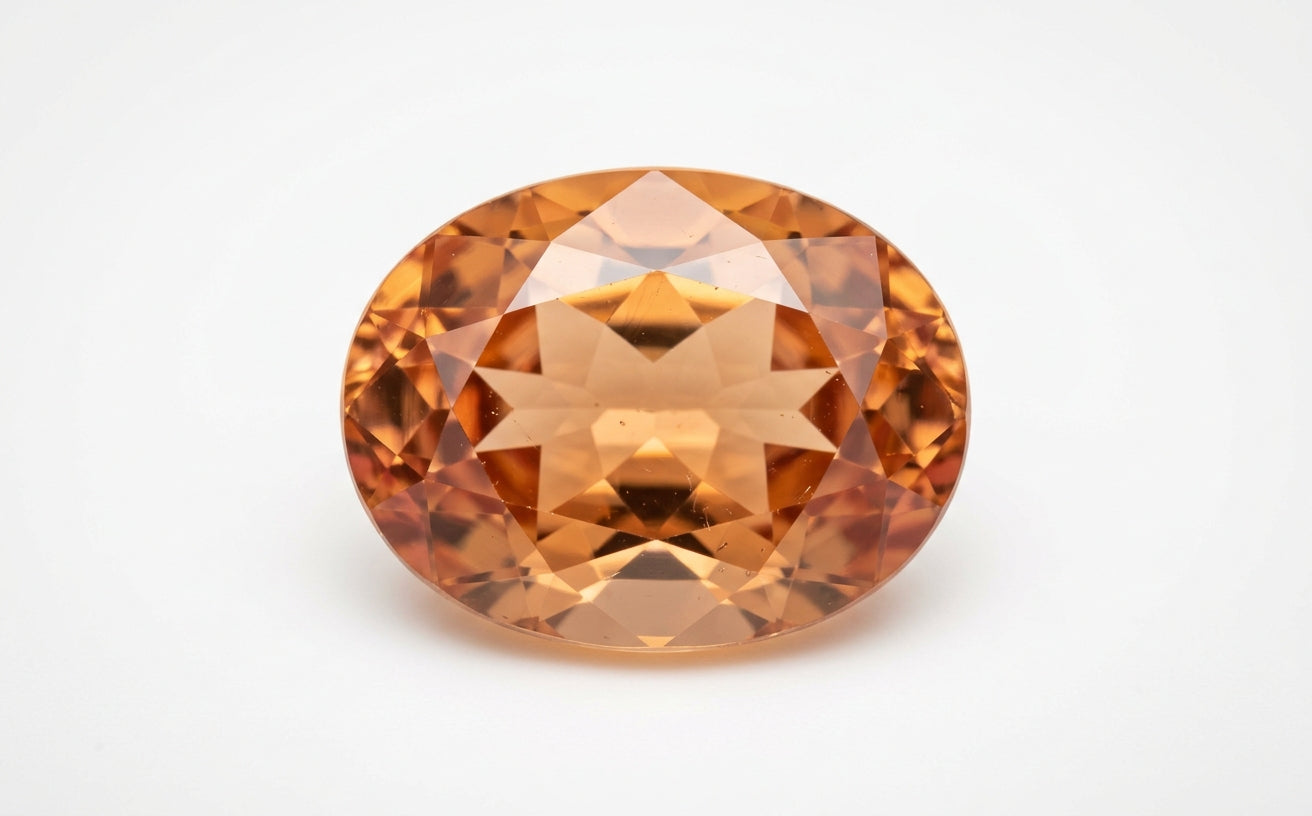
Topaz, oval cut

Topaz

A hard, brilliant gem found in many colors, from warm golden tones to icy blue.

Mineral
Topaz
Popular cut
Oval
Color
Blue, golden, pink and colorless
Hardness
8 Mohs
More facts
Birthstone
November
Zodiac
Scorpio, Sagittarius
Symbolism
Love, loyalty
Popular cuts
Emerald cut, Oval, Pear
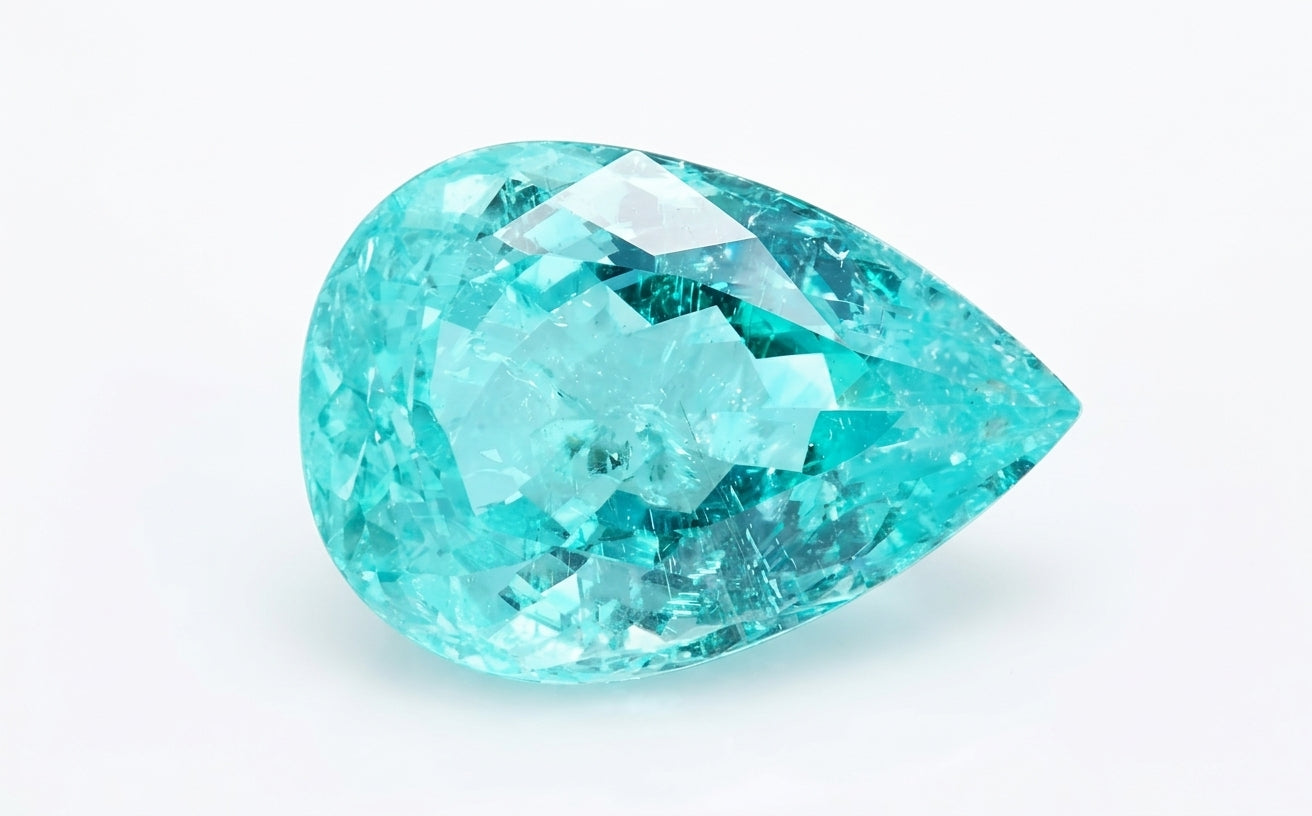
Tourmaline, emerald cut cut

Tourmaline

A gem of many colors, including bi-color stones with pink and green in one crystal.

Mineral
Tourmaline
Popular cut
Emerald cut
Color
Nearly every color, including bi-color
Hardness
7 to 7.5 Mohs
More facts
Birthstone
October
Zodiac
Libra, Scorpio
Symbolism
Friendship, compassion
Popular cuts
Emerald cut, Oval, Pear
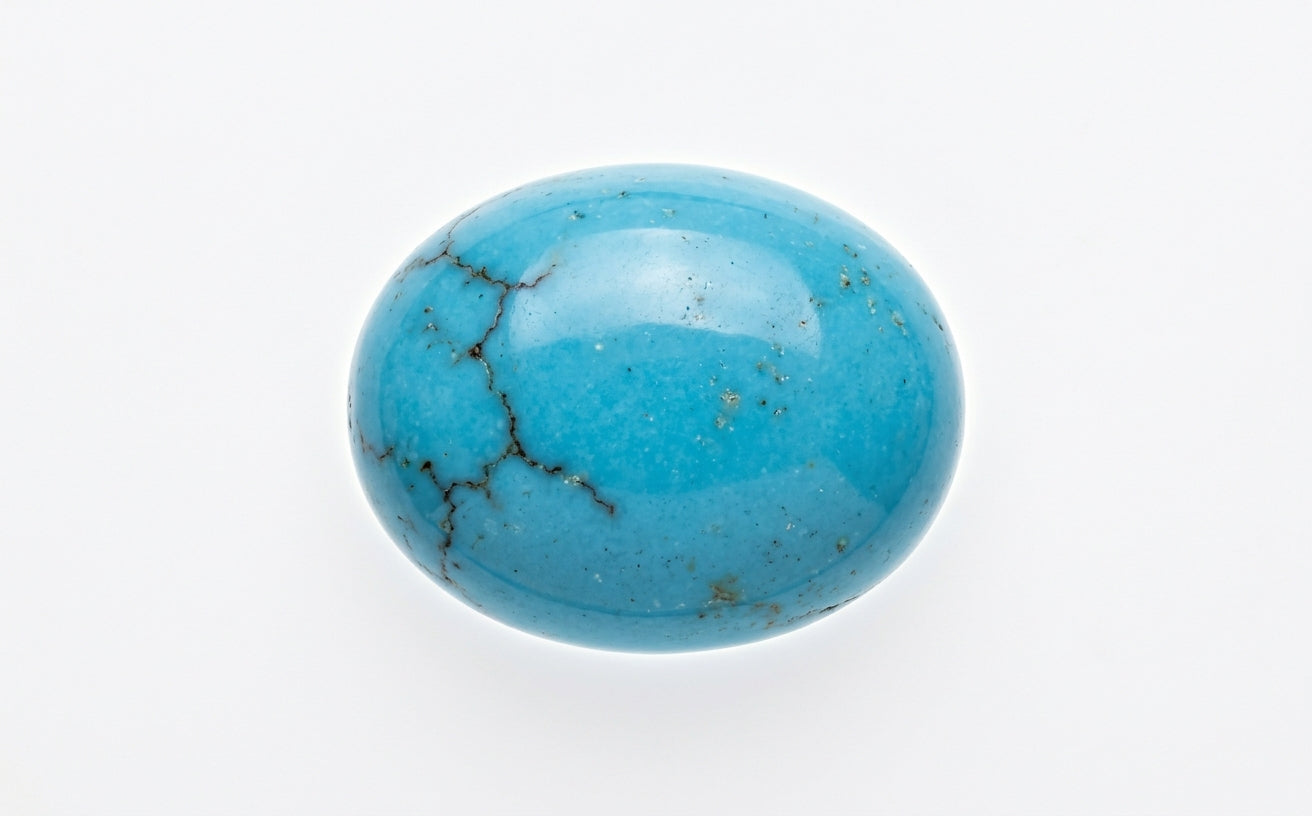
Turquoise, oval cabochon cut

Turquoise

An opaque blue-to-green gem prized for its color and web-like matrix.

Mineral
Hydrated copper aluminum phosphate
Popular cut
Oval cabochon
Color
Sky blue to green, often with matrix
Hardness
5 to 6 Mohs
More facts
Birthstone
December
Zodiac
Sagittarius
Symbolism
Protection, luck, healing
Popular cuts
Cabochon, Oval, Bead
Zircon, round brilliant cut

Zircon

A natural gem with diamond-like fire, not to be confused with synthetic cubic zirconia.

Mineral
Zircon
Popular cut
Round brilliant
Color
Blue, golden, red, green and more
Hardness
6 to 7.5 Mohs
More facts
Birthstone
December
Zodiac
Sagittarius
Symbolism
Wisdom, prosperity
Popular cuts
Round, Oval, Cushion