Introduction to Zircon
Zircon is one of the most misunderstood gemstones in the entire jewelry industry. The confusion is almost entirely due to its name, which is constantly mistaken for cubic zirconia—a synthetic material with no relationship to natural zircon whatsoever.
Natural zircon is a genuine gemstone with a history that dates back thousands of years. It is prized for its exceptional brilliance and fire, often rivaling diamond in the way it handles light. In antique jewelry, zircon was commonly used as a diamond substitute not because it was cheap, but because it performed.
Despite this, zircon remains undervalued in the modern market, largely because most people have never seen a high-quality example.
Natural Zircon vs Cubic Zirconia: The Critical Difference
This is the most important distinction to understand, and it is where most buyers get it completely wrong.
Natural zircon is a naturally occurring mineral, formed over millions of years within the earth. Cubic zirconia, on the other hand, is a man-made material created in a laboratory to simulate diamond.
The differences are not subtle when you know what to look for:
Natural zircon shows strong fire and brilliance, with visible internal character and slight variation in structure. Cubic zirconia tends to look overly perfect, with a flatter, more glass-like appearance. It lacks the same depth and natural light performance.
Zircon also has a lower hardness than cubic zirconia, but its optical properties are significantly more interesting. The way zircon bends and disperses light gives it a lively, almost liquid appearance that synthetic stones cannot replicate.
What Makes Zircon Unique: Fire and Double Refraction
Zircon stands apart from most gemstones because of how it interacts with light. Its refractive index and dispersion are both high, meaning it produces strong flashes of color—often referred to as fire.
One of its most distinctive optical properties is double refraction. When you look closely at a zircon, you may notice a slight doubling of facet edges. This is not a flaw—it is a natural characteristic of the gemstone and part of what gives it its unique visual texture.
In well-cut stones, this creates a dynamic, almost shimmering effect that feels different from the sharper, more controlled brilliance of diamond.

Color Range: More Than Just Blue
Zircon occurs in a wide range of colors, though blue is by far the most well-known in modern jewelry.
Blue zircon is typically heat-treated to achieve its color, resulting in bright, vivid tones that range from sky blue to deeper teal. These stones are often the most commercially visible, but they represent only part of what zircon offers.
Natural zircon can also be found in warm tones such as champagne, golden brown, and reddish hues. Colorless zircon is particularly interesting because of how closely it can resemble diamond, especially in antique-style cuts.
Each color category has its own appeal, but the underlying brilliance and fire remain consistent across all of them.
Origins and Geological Significance

Zircon is one of the oldest minerals found on Earth, with some crystals dating back over 4 billion years. This makes it not just a gemstone, but a geological record of the planet’s earliest history.
Today, the most important sources of zircon include Cambodia, Sri Lanka, Myanmar, and parts of Africa. Cambodian zircon is particularly known for producing high-quality blue stones after treatment.
Sri Lanka has historically been a major source of colorless and warm-toned zircon, often found in alluvial deposits alongside other gemstones.

Durability and Wearability
Zircon typically falls between 6 and 7.5 on the Mohs hardness scale, depending on the variety. This makes it suitable for most jewelry, though it is not as resistant to wear as sapphire or diamond.
One important consideration is that zircon can be more brittle than other gemstones. Well-designed settings help protect the stone, especially in rings that are worn daily.
With proper care, zircon remains a durable and rewarding gemstone, particularly for those who value its optical performance.
Value: Why Zircon Is Underrated
Zircon occupies a unique position in the gemstone market. It offers exceptional brilliance and fire, yet remains relatively affordable compared to more recognized stones.
This disconnect comes down to perception. Because of its association with cubic zirconia, many buyers overlook it entirely. For those who understand what it actually is, zircon represents one of the best value propositions in colored gemstones.
High-quality stones with strong color and good cutting can rival far more expensive gems in visual impact.
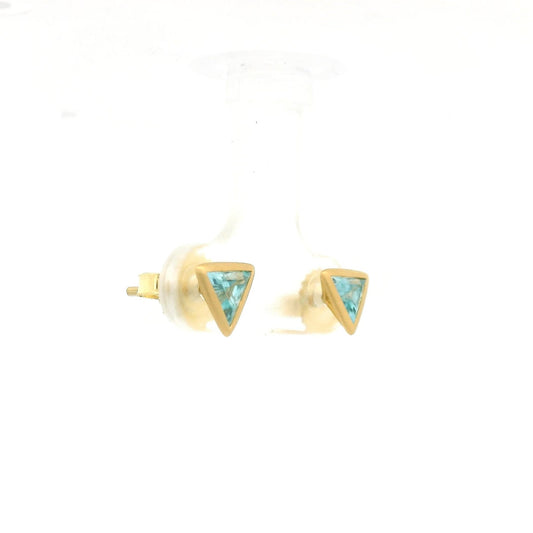
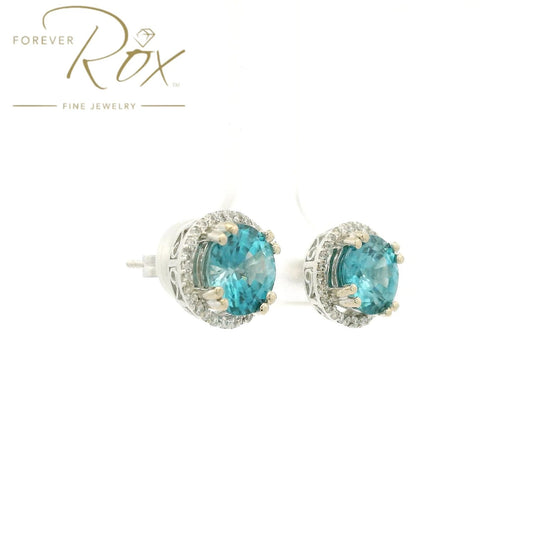
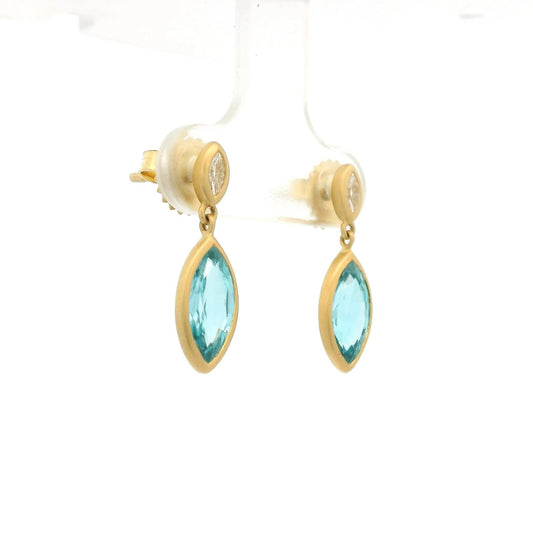
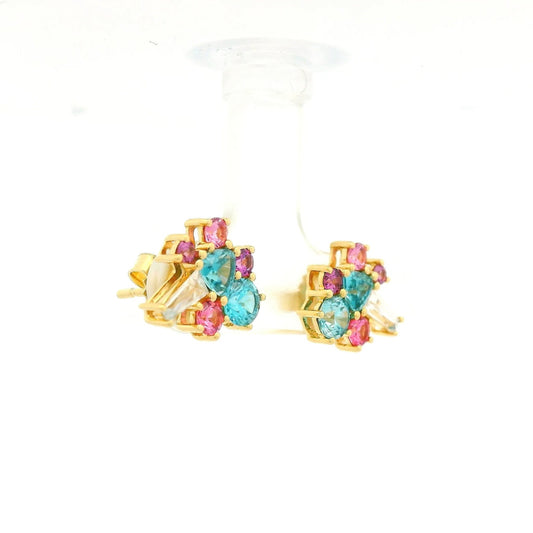
Zircon Jewelry at Forever Rox Fine Jewelry
At Forever Rox Fine Jewelry, we focus on gemstones that offer something distinct, and zircon is a perfect example. Its fire, movement, and overall presence make it stand out in a way that most people don’t expect.