Introduction to Tourmaline
Tourmaline is one of the most diverse gemstones found in nature, displaying a wider range of colors than almost any other mineral. Unlike gemstones that are limited to a narrow color spectrum, tourmaline can occur in virtually every hue, from deep greens and vivid blues to intense pinks and even multi-colored crystals within a single stone.
This diversity is the result of its complex chemical composition, which allows different trace elements to influence color during formation. Because of this, tourmaline is not defined by a single look or category, but rather by a broad family of gemstones with distinct identities.
Among these, certain varieties such as Paraíba tourmaline and watermelon tourmaline stand out for their rarity, visual uniqueness, and market demand.
Formation and Mineral Composition

Tourmaline forms primarily in pegmatites and metamorphic rocks, where mineral-rich
fluids allow complex crystal growth over extended periods.
Its chemical structure is highly variable, incorporating elements such as iron, magnesium, lithium, and copper. This variability is what gives rise to its wide color range.
Tourmaline crystals typically grow in elongated prismatic forms with vertical striations, a characteristic feature that helps distinguish rough tourmaline from other gemstones.
Color: The Defining Characteristic of Tourmaline
Color is the single most important factor in determining the identity and value of tourmaline. Unlike gemstones such as sapphire, where color grading is standardized, tourmaline is categorized more fluidly based on its hue and composition.
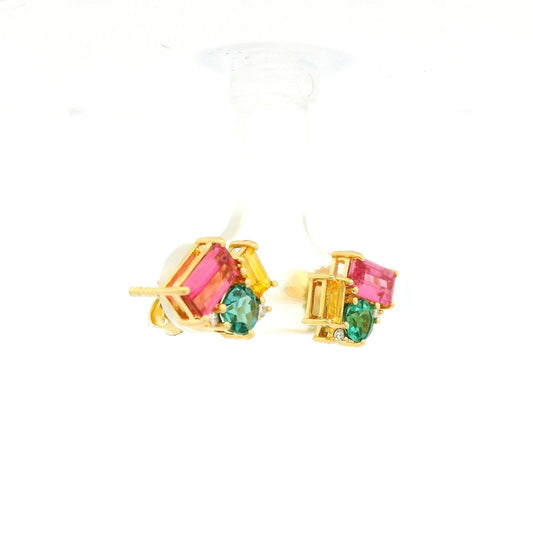
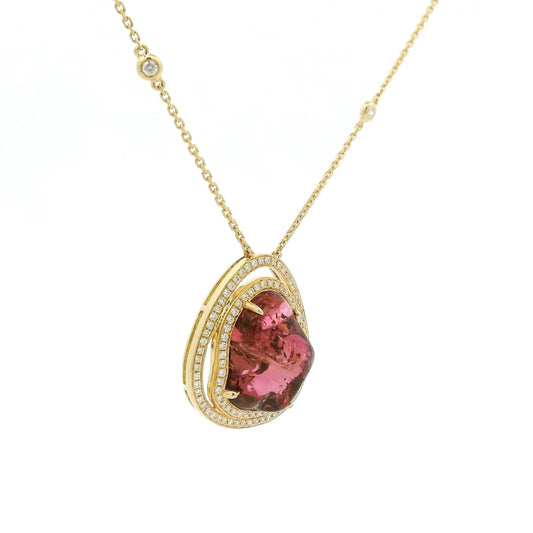
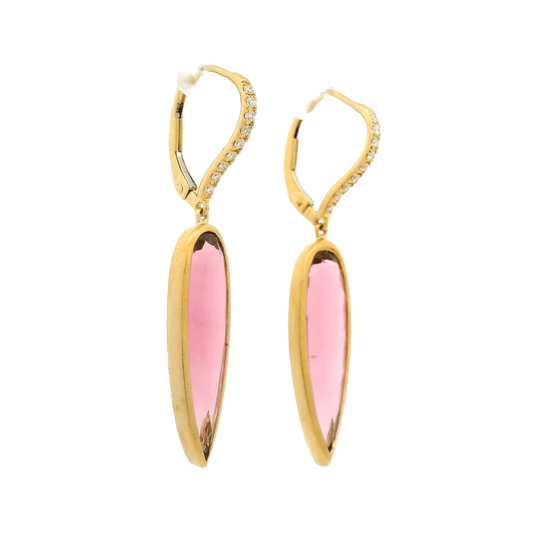
Green tourmaline, often referred to as verdelite, is one of the most common varieties and ranges from light green to deep forest tones. Pink tourmaline, colored by manganese, can vary from soft pastel pink to highly saturated vivid tones.

Blue tourmaline, known as indicolite, is significantly rarer and is valued for its deep, rich color. Stones that display strong saturation without appearing overly dark are especially desirable.
Because of its chemical flexibility, tourmaline can also display bi-color and tri-color zoning, where multiple colors appear within a single crystal.
Paraíba Tourmaline: One of the Rarest Gemstones in the World
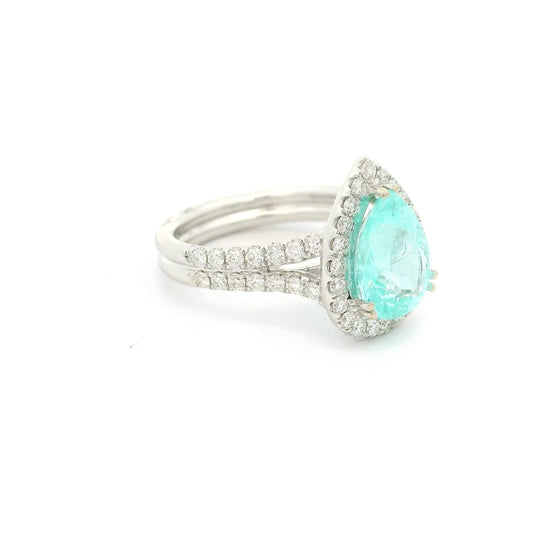
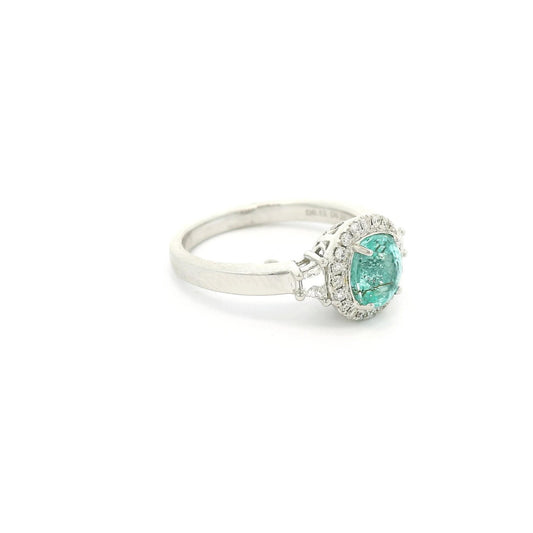
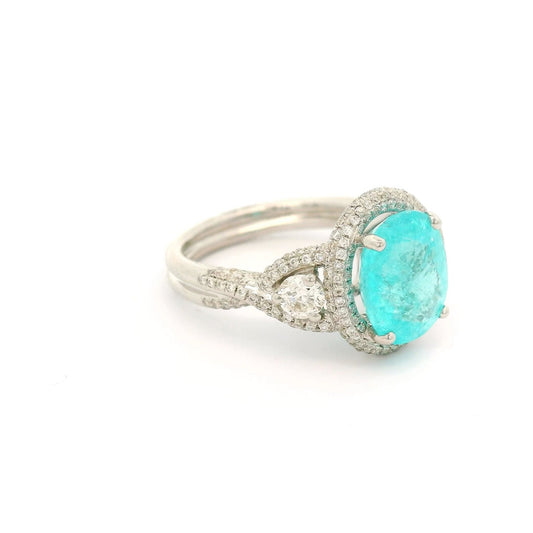
Paraíba tourmaline represents the most valuable and sought-after variety within the tourmaline family. First discovered in Brazil in the 1980s, these stones are distinguished by the presence of copper, which produces an intense, neon-like blue to green color unlike anything seen in other gemstones.
The defining characteristic of Paraíba tourmaline is its internal glow. Even in low lighting, these stones appear to emit light due to their high saturation and unique interaction with light.
Original Brazilian Paraíba material is extremely rare and commands some of the highest prices per carat in the colored gemstone market. Additional deposits have been found in Mozambique and Nigeria, but even these stones are limited in supply.

Fine Paraíba tourmaline is valued based on:
-
Color intensity (neon saturation is critical)
-
Clarity (many stones contain inclusions)
-
Size (larger stones are exceptionally rare)
At the highest levels, Paraíba tourmaline rivals or exceeds the price of sapphire and emerald.
Watermelon Tourmaline: Natural Color Zoning

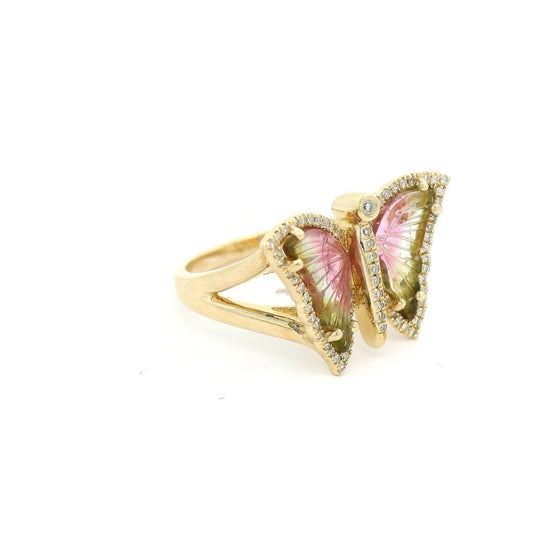
Watermelon tourmaline is one of the most visually unique gemstones, displaying a
combination of green and pink within the same crystal. Typically, the outer portion of the crystal is green while the center is pink, resembling the appearance of a watermelon.
This color zoning occurs naturally during crystal growth as the chemical environment changes over time. Unlike treated stones, this effect is entirely natural and highly prized for its uniqueness.
Each piece of watermelon tourmaline is essentially one-of-a-kind, making it particularly popular in custom jewelry.
Other Notable Tourmaline Varieties
Tourmaline includes several named varieties based on color and composition.
Rubellite refers to vivid pink to red tourmaline that maintains its color under different lighting conditions. This is an important distinction, as some stones may appear vibrant under certain lighting but fade in others.
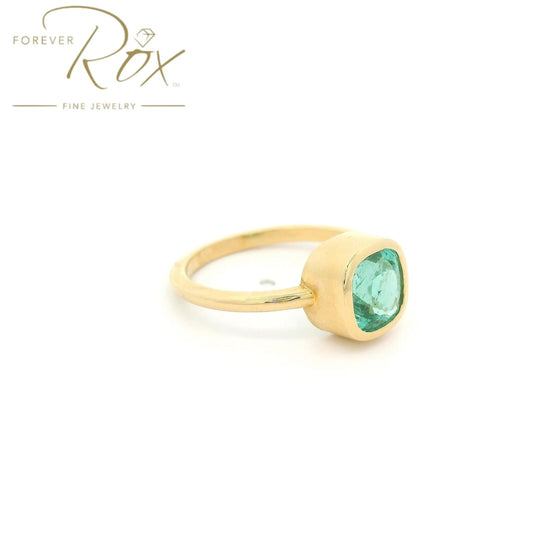
Verdelite describes green tourmaline, which is widely available but still valued when it exhibits strong, rich color.
Indicolite is the term used for blue tourmaline and is significantly rarer than green or pink varieties.
Each of these varieties contributes to the overall diversity of tourmaline, but their value depends heavily on color quality and saturation.
Clarity and Cut
Tourmaline typically contains inclusions, particularly in more saturated colors. However, eye-clean stones are still highly valued, especially in premium varieties.
Because rough crystals are often elongated, tourmaline is frequently cut into rectangular or emerald shapes that maximize yield while preserving color.
Cut quality plays a critical role in how the stone handles light, particularly in darker stones where proper proportions are necessary to avoid a dull appearance.
Durability and Wearability
Tourmaline has a hardness of 7 to 7.5 on the Mohs scale, making it suitable for most types of jewelry.
While durable enough for regular wear, it is not as hard as sapphire or diamond, meaning it should be worn with some care, especially in rings.
Rarity and Value
The value of tourmaline varies significantly depending on color and rarity.
Common varieties such as green tourmaline are widely available and more affordable. In contrast, Paraíba tourmaline exists at the highest end of the market due to its extreme rarity and unique color.
Watermelon tourmaline occupies a middle ground, valued more for its uniqueness than for pure rarity.
As with all gemstones, the most valuable stones combine strong color, good clarity, and desirable size.
Tourmaline Jewelry at Forever Rox Fine Jewelry
At Forever Rox Fine Jewelry, we focus on selecting tourmaline with exceptional color and balance. Whether it is a vivid Paraíba, a unique watermelon tourmaline, or a richly saturated pink or green stone, each piece is chosen for how it performs in real-world lighting.