Introduction to Diamonds
Diamonds are the most studied and systematically graded gemstones in the world. Unlike many colored stones, where beauty can be subjective, diamonds are evaluated using a standardized framework developed by the Gemological Institute of America. This system allows for consistent comparison across stones and is the foundation of global diamond pricing.
What makes diamonds unique is not just their brilliance or durability, but the precision with which their quality can be measured. Every diamond is a balance of measurable attributes, and understanding those attributes is what separates an average purchase from an informed one.
Formation and Why Diamonds Are Rare

Diamonds form deep within the Earth’s mantle under extreme pressure and temperature. Carbon atoms are forced into a tightly bonded crystal lattice, creating the hardest naturally occurring material known.
However, formation alone does not make diamonds accessible. They must also be transported to the surface through rare volcanic events that create kimberlite pipes. Only a small percentage of these pipes contain diamonds, and an even smaller percentage contain material of gem quality.
This combination of conditions is what makes natural diamonds rare, particularly in larger sizes and higher qualities.

The 4Cs: Understanding Diamond Quality
The 4Cs—cut, color, clarity, and carat weight—are the universal standard for diamond grading. Each category plays a distinct role, but their interaction is what ultimately determines value.
Cut: Light Performance and Brilliance
Cut is the most important factor because it controls how light behaves inside the diamond. When proportions are correct, light enters through the top, reflects internally, and returns to the eye as brilliance and fire.
The grading scale used by GIA is:
- Excellent — Maximum light return, optimal proportions, highest brilliance
- Very Good — Strong light performance with minor deviations
- Good — Noticeable loss of brilliance due to less precise proportions
- Fair — Significant light leakage, reduced sparkle
- Poor — Light escapes through the stone, dull appearance
An Excellent cut diamond will appear significantly more vibrant than a poorly cut diamond, even if both have identical color and clarity grades. This is why cut should always be prioritized when selecting a diamond.
Color: The Absence of Color in White Diamonds
Diamond color grading evaluates how much yellow or brown tint is present in a stone. The scale begins at D and progresses to Z.
-
D–F (Colorless)
These diamonds contain virtually no color. They allow maximum light transmission and represent the highest tier of white diamonds.
-
G–J (Near Colorless)
Slight warmth may be detectable under close inspection, but most appear colorless once set in jewelry. This range often provides the best balance of appearance and value.
-
K–M (Faint Color)
A visible yellow tint begins to appear, particularly in larger stones.
-
N–R (Very Light Color)
The yellow tone is clearly noticeable and impacts overall brightness.
-
S–Z (Light Color)
Strong visible color that reduces the traditional “white diamond” appearance.

The difference between grades can be subtle, but it becomes more apparent as size increases.
Clarity: Internal and External Characteristics
Clarity refers to the presence of internal inclusions and external blemishes formed during the diamond’s growth.
The grading scale is as follows:
-
FL (Flawless)
No inclusions or blemishes visible under 10x magnification. Extremely rare.
-
IF (Internally Flawless)
No internal inclusions, only minor surface blemishes.
-
VVS1–VVS2 (Very Very Slightly Included)
Inclusions are extremely difficult to detect, even under magnification.
-
VS1–VS2 (Very Slightly Included)
Minor inclusions that are difficult to see but may be detectable under magnification.
-
SI1–SI2 (Slightly Included)
Inclusions are visible under magnification and may sometimes be visible to the naked eye depending on placement.
-
I1–I3 (Included)
Inclusions are obvious and can impact transparency and durability.
 In practical terms, many diamonds in the VS and SI ranges appear “eye clean,” meaning inclusions are not visible without magnification. This is often the most strategic range for buyers.
Carat Weight: Size and Exponential Rarity
Carat measures the weight of a diamond, but its relationship to value is not linear. As size increases, rarity increases exponentially.
A two-carat diamond is not simply twice as valuable as a one-carat diamond of the same quality—it can be several times more valuable due to scarcity. This is especially true at milestone sizes such as 1.00, 2.00, and 5.00 carats.
Fancy Colored Diamonds: The Highest Level of Rarity

While most diamonds are valued for their lack of color, some develop color through
unique geological conditions. These are known as fancy colored diamonds, and they are among the rarest gemstones in the world.
Unlike white diamonds, fancy diamonds are graded based on color intensity:
-
Faint to Light — Minimal color presence
-
Fancy Light to Fancy — Noticeable color with moderate saturation
-
Fancy Intense / Fancy Vivid — Strong, highly saturated color (most valuable)
-
Fancy Deep / Fancy Dark — Rich tone with deeper saturation
Different colors are caused by different factors:
-
Yellow diamonds form due to nitrogen impurities
-
Blue diamonds are caused by boron
-
Green diamonds result from natural radiation exposure
-
Pink and red diamonds are caused by structural distortion in the crystal lattice
Pink diamonds are particularly significant because the Argyle Mine, which produced the vast majority of the world’s supply, closed in 2020. This has permanently limited availability and increased their rarity.
Red diamonds are the rarest of all, with only a small number known to exist.
One of the most notable red diamonds ever brought to market is the Moussaieff Red Diamond, widely considered the largest known red diamond in existence at 5.11 carats. While it has not recently appeared at public auction, its estimated value exceeds $20 million, underscoring the extreme rarity of red diamonds.
More relevant to recent auction activity, a smaller but significant natural red diamond weighing just over 1 carat was sold at a Christie’s auction for over $1 million per carat. This pricing level is not uncommon for red diamonds, despite their small size, due to the fact that fewer than 30 true red diamonds are known to exist globally.
Parts of a Diamond and Why They Matter
A diamond’s structure determines how it handles light. The table is the primary surface where light enters, while the crown and pavilion work together to refract and reflect that light.
If the angles between these components are properly aligned, light is returned to the viewer efficiently. If they are misaligned, light escapes and the diamond loses brilliance.
This is why cut quality and structural proportions are directly connected.
Natural vs Lab-Grown Diamonds
Lab-grown diamonds are chemically identical to natural diamonds, but they are produced in controlled environments rather than formed over billions of years.
Because they can be manufactured, their supply is not limited in the same way as natural diamonds. This difference in rarity is the primary factor influencing long-term value.
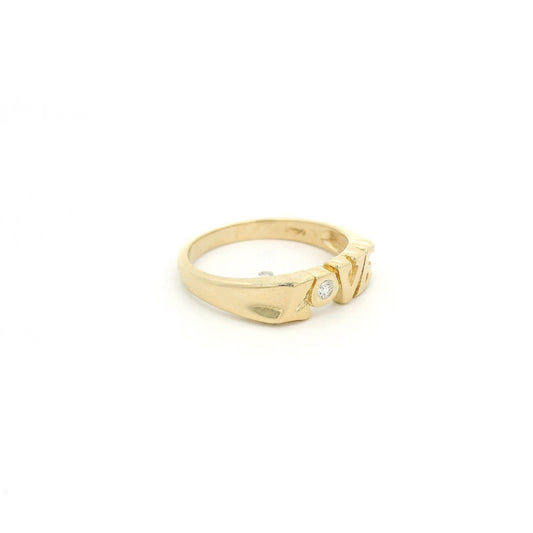
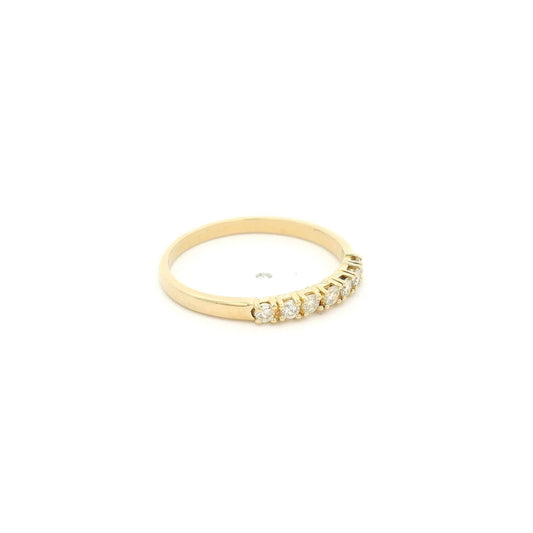
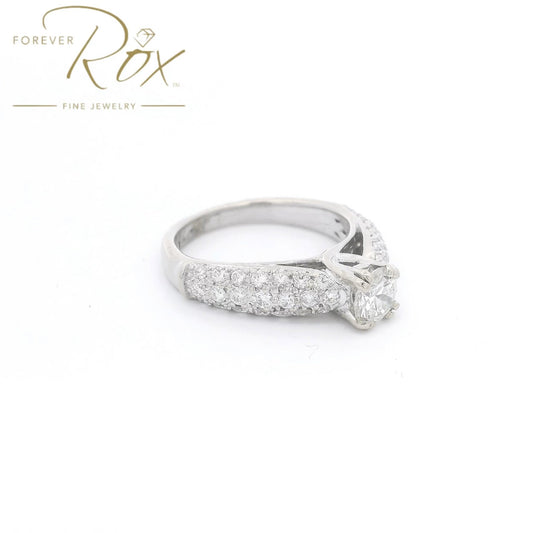
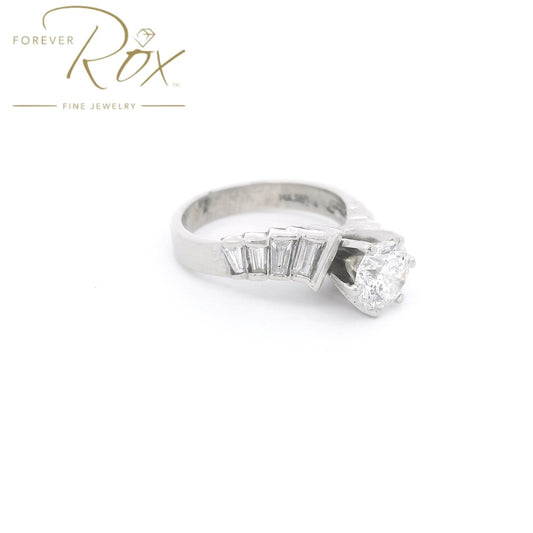
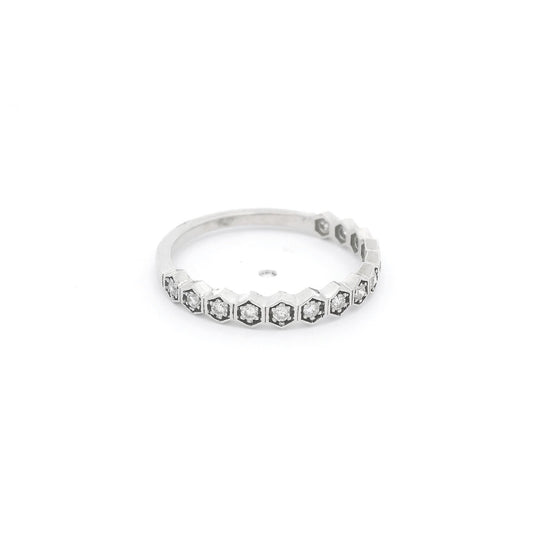
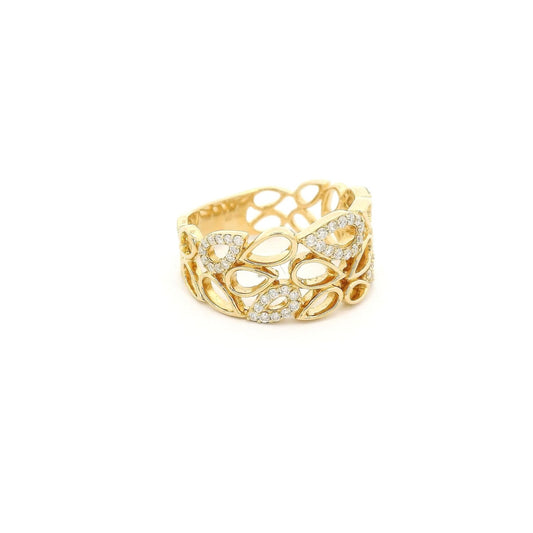
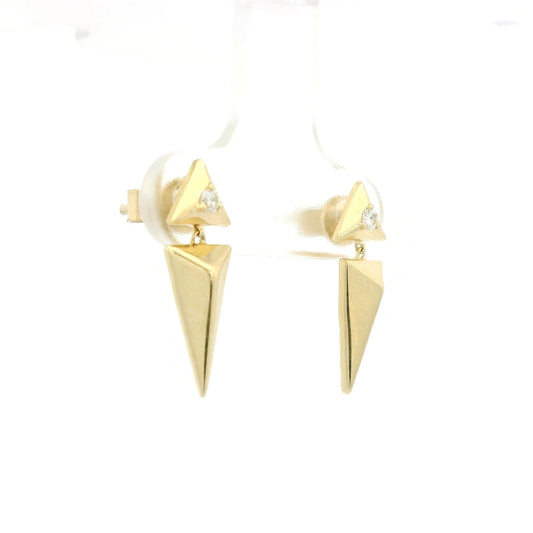
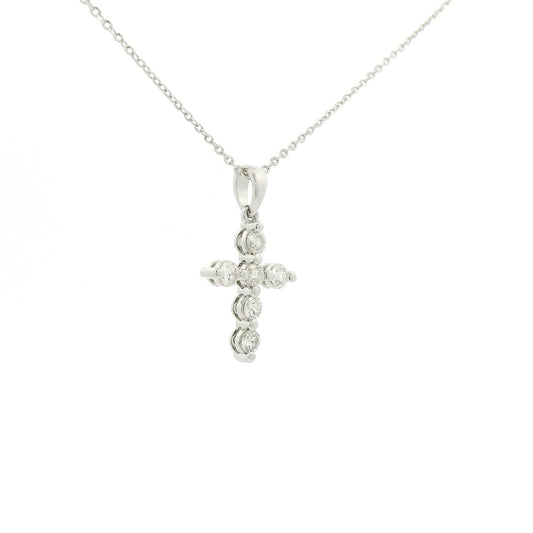
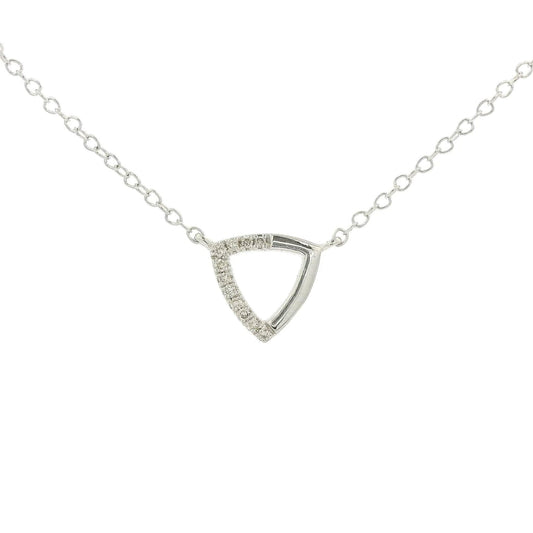
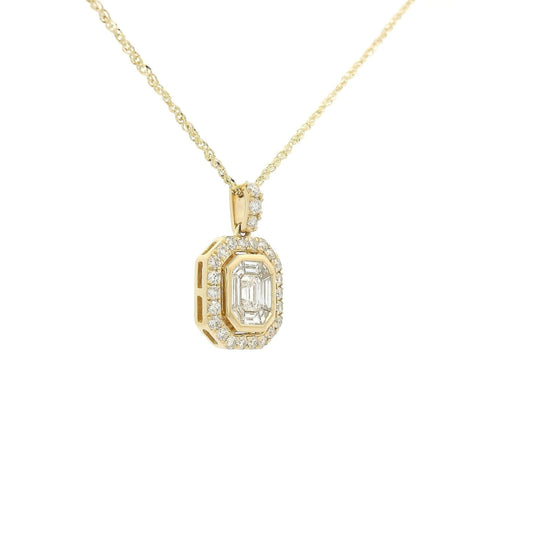
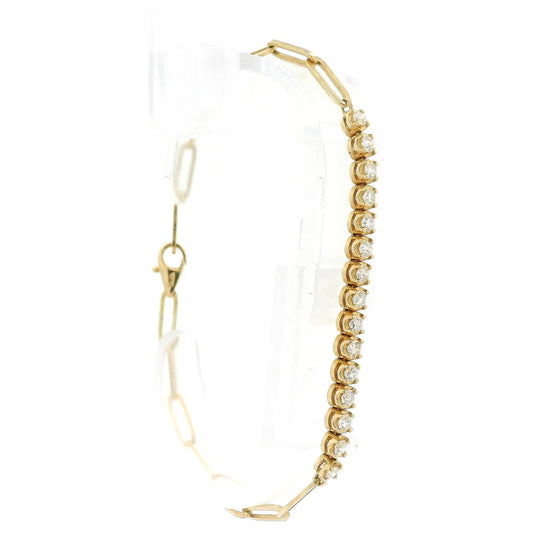
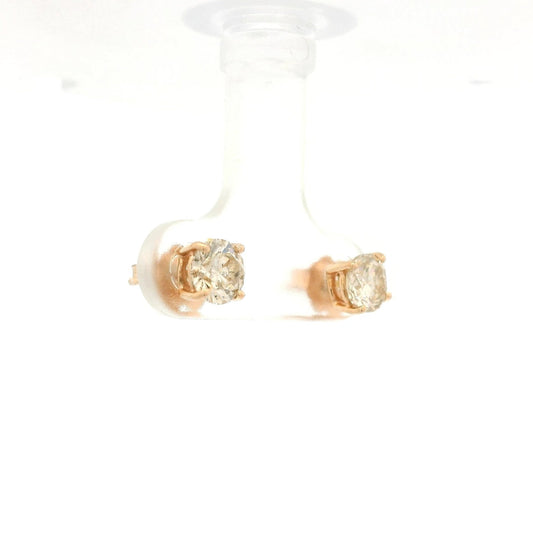
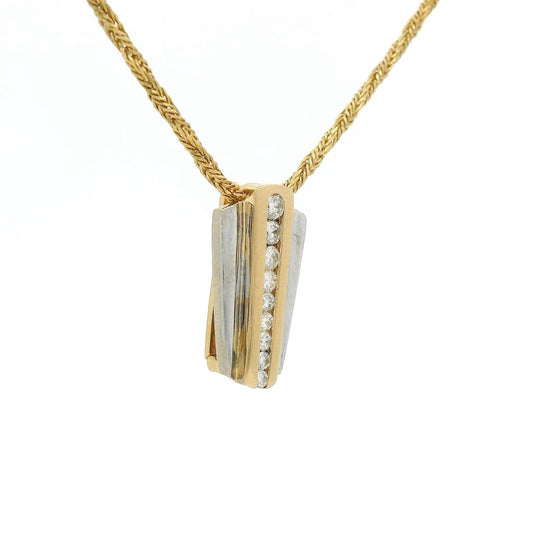
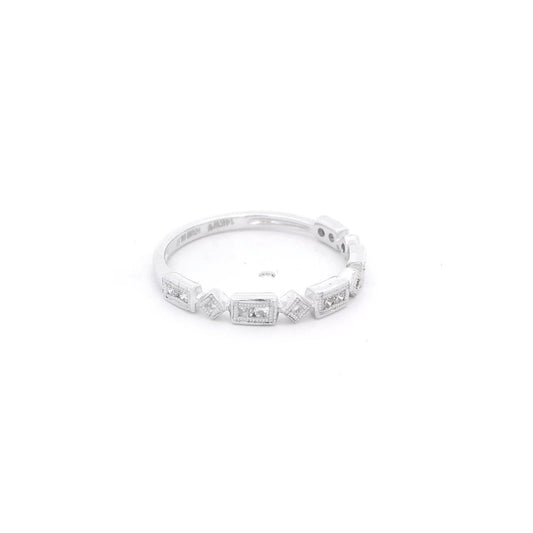
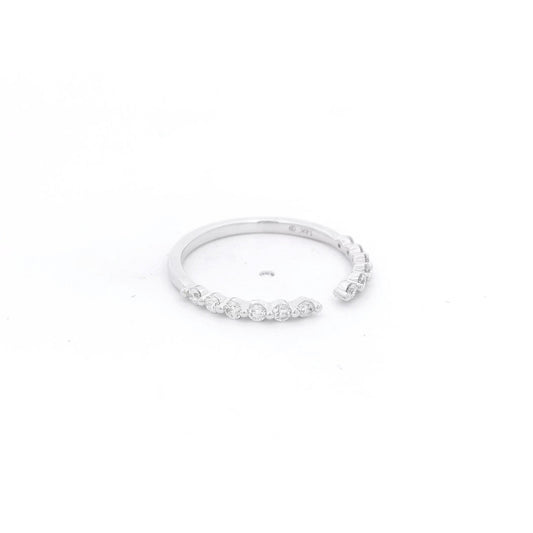
Diamond Jewelry at Forever Rox Fine Jewelry
At Forever Rox Fine Jewelry, we focus on selecting natural diamonds that exhibit exceptional cut quality, balanced proportions, and strong visual performance. Each stone is evaluated beyond its certificate to ensure it performs in real-world lighting conditions.